Poor Choices and Rising Healthcare Costs... Stop Paying For Guesses.
How to tell which herbal remedies are worth making at home, plus 158 herbs, 50+ teas and 73 recipes that show you exactly how.
One payment of $19.99 · 60-day money-back guarantee · Instant PDF access
I started with the quick fixes we reach for every day. But what happens when it’s a cough, an aching joint or another health problem? I wanted to know what we could use at home, and how to use it. Here’s where that search began.
The $215 Visit That Changed How I Think About My Health
My husband had been coughing for nine days. Nothing dramatic, just the dry, scratchy kind that wakes you up at 3 a.m. On day ten he finally agreed to go to urgent care.
Twelve minutes with a physician assistant. A listen to his chest, a look at his throat, and the words every spouse of a sick adult loves to hear: “It’s viral. Rest and fluids.”
The bill came eleven days later: $215. One hundred forty dollars of it was something called a “facility fee.” Then $38 at the pharmacy counter for the cough syrup the PA suggested.

I stood at the counter holding that bill and thought: there has to be a smarter way to handle the small stuff. Not instead of doctors. Before them.
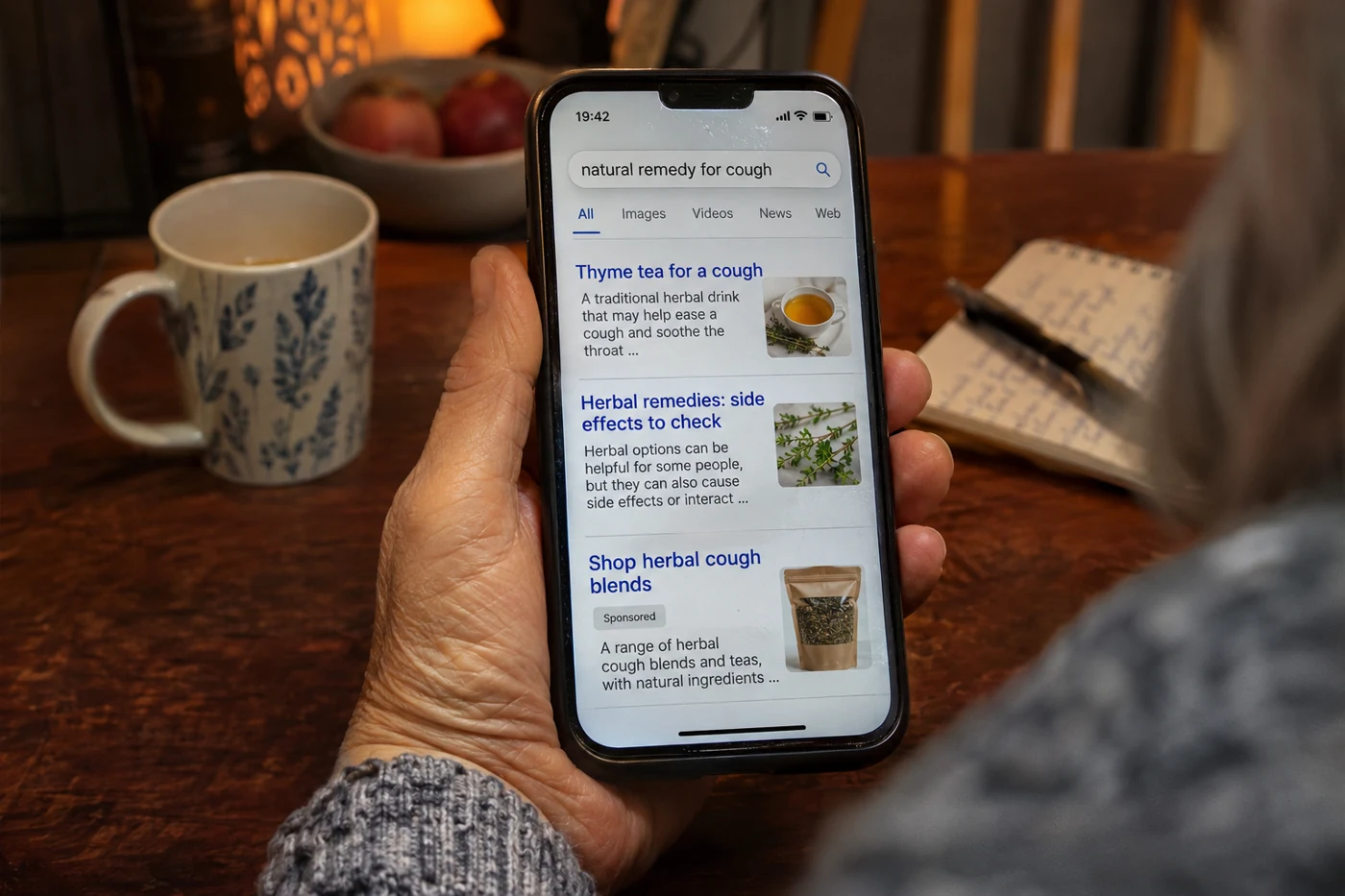
So that night, around 11 p.m., I did what half the country does. I picked up my phone and typed: natural remedy for cough.
Result one said thyme tea was nature’s miracle. Result two, a forum thread, said thyme could be dangerous. Result three was a slick video selling a $44 “Immune Defense Syrup” with 4.8 stars. Result four was a blog that wanted my email before it would tell me anything.
The Label I Couldn't Read
I bought the $44 syrup. (Yes. I know.) It came three days later in a box twice the size it needed to be. I turned the bottle under the kitchen light and read the back panel.
I couldn't answer three simple questions:
Which part of the plant is this?
How much of each is in a serving, enough to matter or a dusting?
Did anybody ever test this combination?
I wasn't angry about the $44. I was angry that after two hours online, with a bill in one hand and a phone in the other, I still couldn't tell what to trust.
Two Problems. Nobody Was Solving Either One.
Problem #1: Healthcare costs. It isn't just me.
Source: KFF Health Tracking Poll, May 2025 ↗
Problem #2: There's no filter. Anyone can write “proven remedy.” Nobody has to tell you the form, the amount or the study. So you end up paying for guesses, like I did.
I'm not telling you to skip your doctor, and I'd never tell you to skip a prescription. If cost is getting in the way, tell your clinician or pharmacist, because there are often cheaper options. I'm saying the small stuff shouldn't be a $215 gamble in either direction.
The Night I Started Asking Different Questions
I put the syrup on the counter, took a yellow legal pad out of the drawer and wrote three questions at the top of the first page. They're still at the top of every pad I've filled since.
Was it tested?
On whom, for how long, and in what form: tea, tablet or lab extract?
Can I make it at home?
Which part of the plant, which form, what amounts?
What could go wrong?
Who should avoid it, what does it interact with, when do I ask a pro?
I called it the 3-Question Test. Then I did what nobody online had done for me: I went to the sources. The clinical trials on PubMed. The European Medicines Agency's herbal assessments. The NIH's National Center for Complementary and Integrative Health.
Three or four nights a week, 9:30 until midnight, with a pot of tea on one side of the laptop and the legal pad on the other.
Here's what I found. The kitchen tea and the lab-made extract in a study were often not the same thing. Some remedies had real research behind them. Some had only tradition. And some failed the test.
Cinnamon: 25 postmenopausal women with type 2 diabetes took part in a six-week cassia cinnamon trial. No improvement. Red yeast rice: some extracts contain a substance chemically identical to a prescription statin, in amounts that vary widely.
I almost quit. Then it clicked. The point was never to prove herbs work. It was to know which ones deserve your money, your time and your trust.
What Changed In My Kitchen
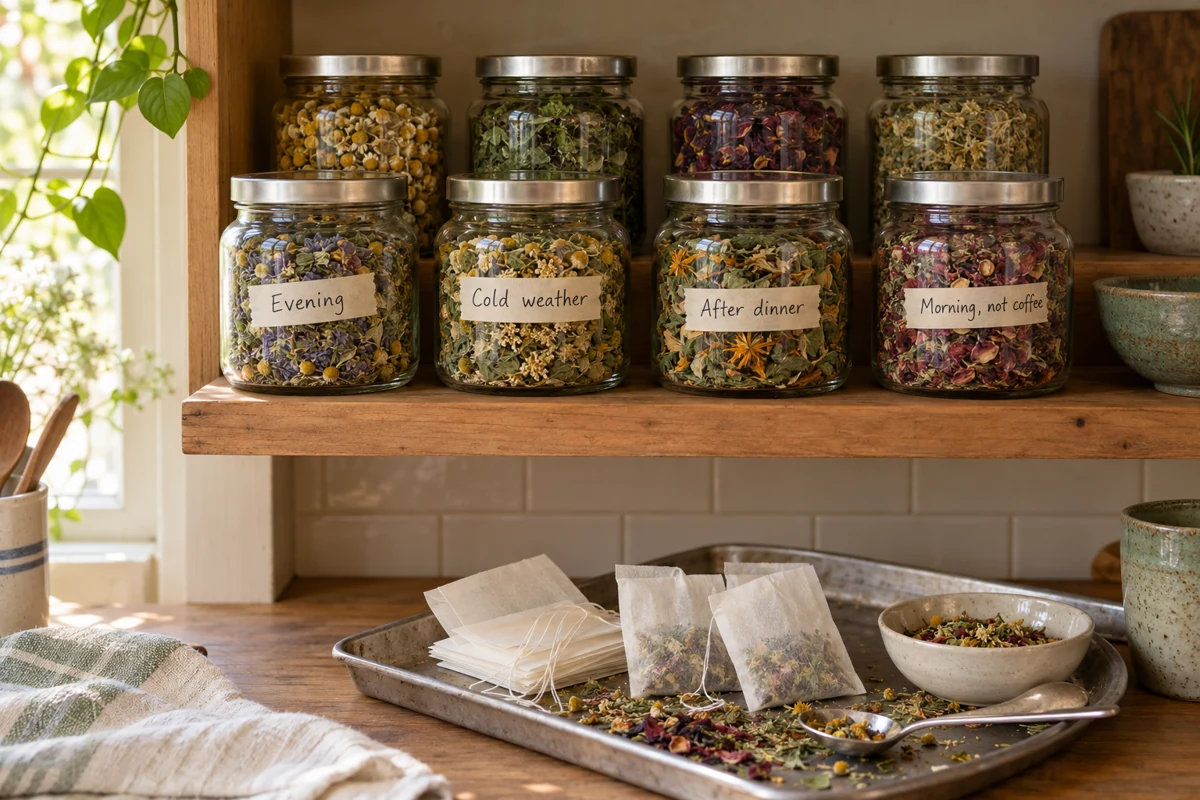
On the second pantry shelf there are eight glass jars with masking-tape labels in my handwriting: Evening. Cold weather. After dinner. Morning, but not coffee. On Sunday afternoons I mix a ten-bag batch of whatever we'll want for the week.
When my husband's cough comes back each winter, I don't pick up my phone at 11 p.m. I open my notebook, run the three questions, and if the answer is “this needs a professional,” I call one and walk in with better questions.
I'm not going to promise you it saves a fortune. I'll tell you I haven't bought a mystery bottle since.
Introducing The Self-Reliant Herbal Pantry
Eventually I turned the whole notebook into guides, so you never have to start from a blank legal pad: 158 herbs, each run through the 3-Question Test.
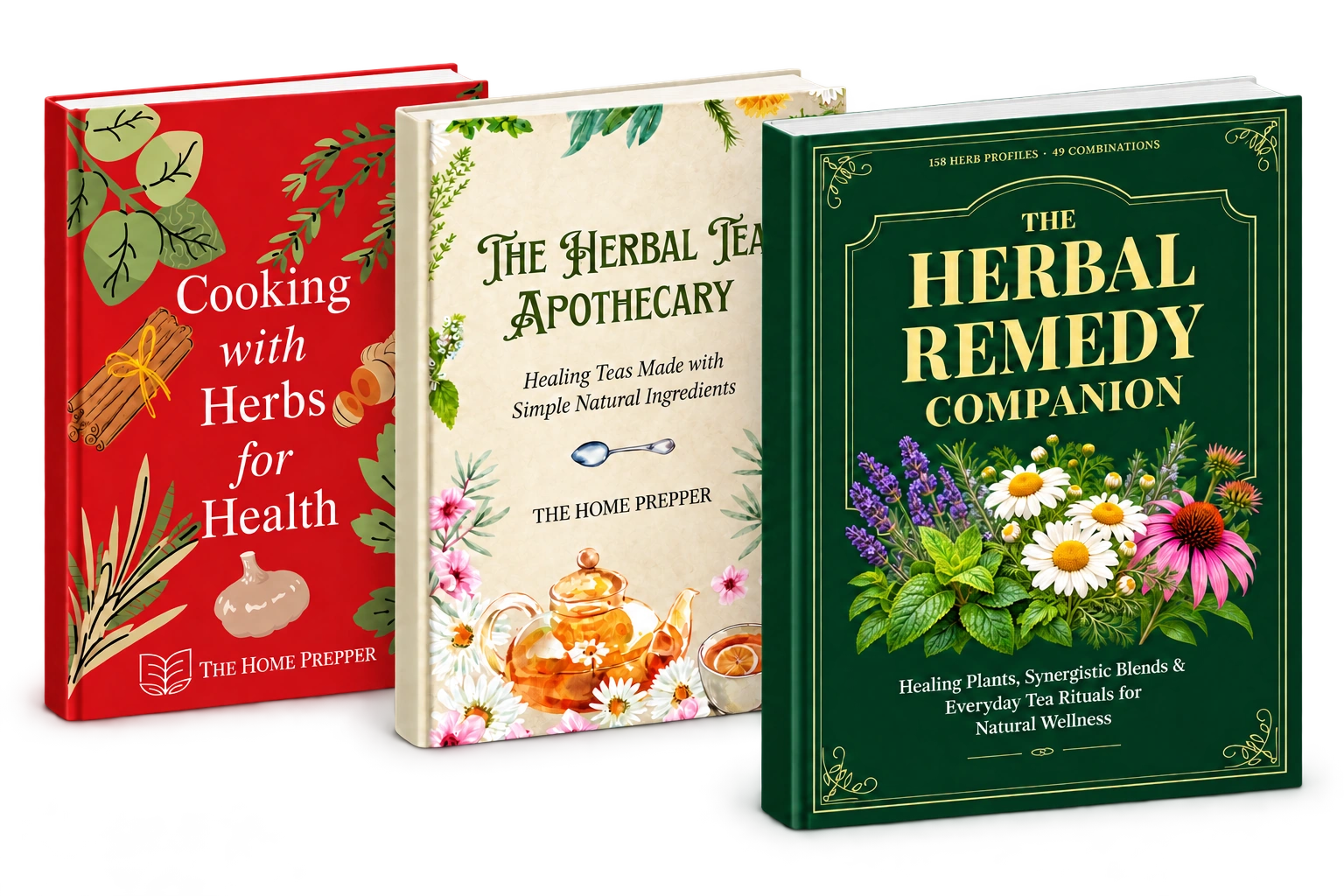
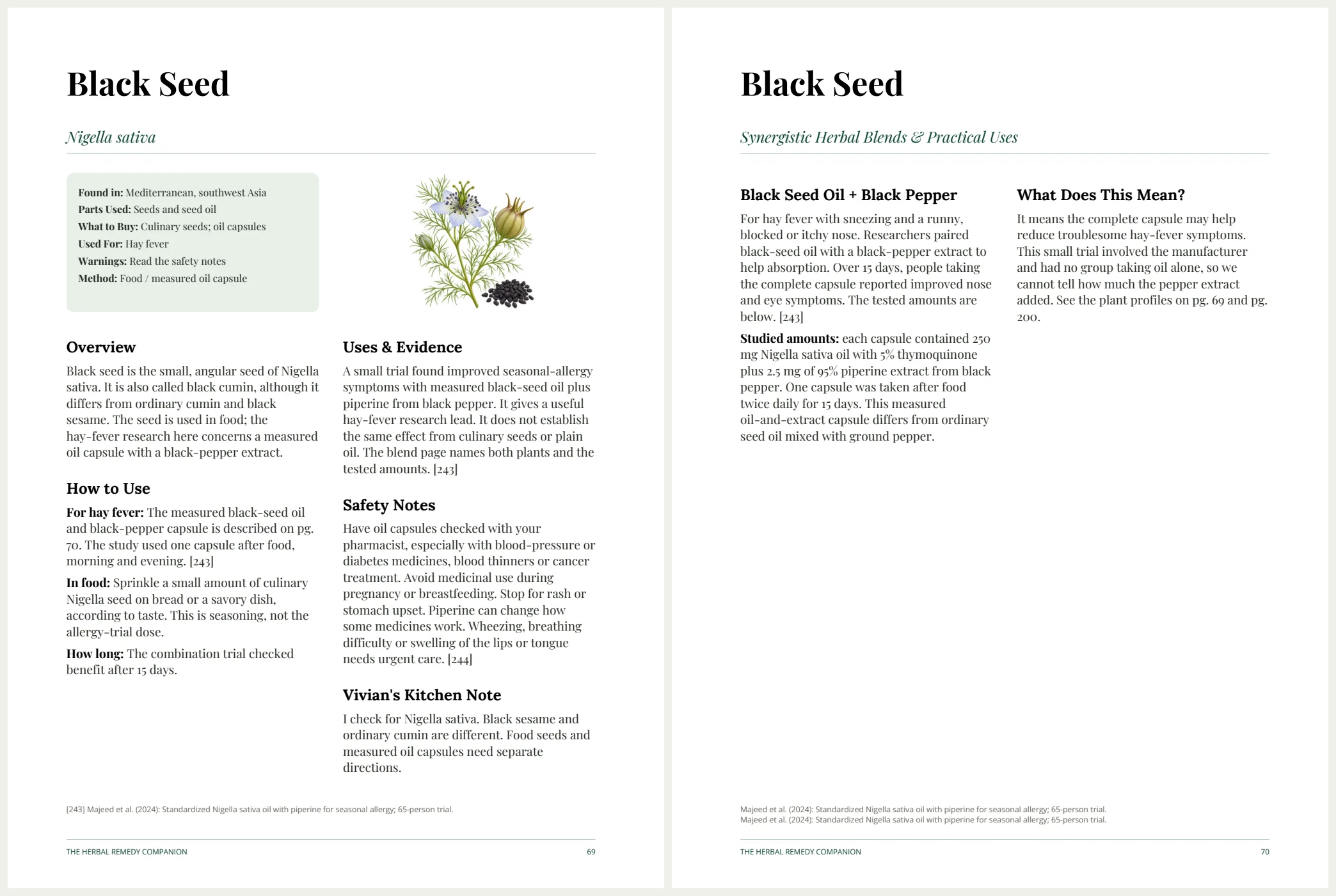
- The Herbal Remedy Companion: 158 herb profiles and 49 synergistic combinations. Every profile tells you what was tested, how to make it and what to watch out for. Plus a Symptom Finder covering 70 health problems and hundreds of cited sources.
- The Herbal Tea Apothecary: 50+ herbal tea blends, many written as ten-bag batches.
- Cooking with Herbs for Health: 73 simple, delicious recipes.
About Vivian. Vivian Greene writes The Home Prepper’s herbal guides.
Get The Self-Reliant Herbal PantryOne payment of $19.99 · 60-day money-back guarantee · Instant PDF access
The 3 Secrets Behind Remedies You Can Actually Trust
Secret #1: It's not “natural vs. fake.” It's the form.
Most online advice treats herbs as miracles or myths. The truth sits in between: a tea, a tablet and a lab extract are three different things, and the studies often tested the last one. Every profile labels which is which.
Secret #2: You don't need to be an herbalist.
If you can brew a pot of tea, you can make a ten-bag batch. Recipes use spoons and grams, and each profile tells you what to buy: which part of the plant, which form and what to look for on the label.
Secret #3: You can do this safely alongside your doctor.
Every profile has a Safety Notes box.
The Difference Between Synergistic Combinations and Just Combining Herbs
A regular herbal combination can use herbs that do the same job. For a cough, that could mean combining two herbs that both soothe an irritated throat. You have another ingredient to buy, store and measure, but what is helping with the mucus?
Synergistic combinations use herbs that do different jobs, working together on the same ailment. Each herb has its own part to play.
Take a cough that leaves you with mucus and a sore, irritated throat. You want to bring up the mucus, but you also want to soothe that raw feeling every time you cough. A traditional blend of marshmallow root and thyme gives each herb a different job:
FOR THE SORE THROAT
Marshmallow root
Helps soothe the irritated lining of the throat. This is the herb for that raw, scratchy feeling.
FOR THE MUCUS
Thyme
Helps bring up mucus in a chesty cough. It has a different job from soothing the throat.
One herb for the soreness. Another for the mucus. Both are in the blend for a reason. You’re helping with two parts of the same ailment, instead of choosing two herbs to do the same thing.
Every extra herb costs money. It should earn its place in the blend. Before another bag goes into your basket, you should know what it adds. Otherwise, it’s easy to fill a cupboard with herbs and still be unsure which ones to use together.
I found and added over 40 documented herbal combinations inside the book. I’ll show you which herbs go together, why they’re paired and how they’re used. The amounts and directions are there beside the explanation.
So when an ailment sends you looking for answers, you can open the book and see what to look for. You’re buying each ingredient for a reason, instead of buying another blend and hoping the answer is somewhere inside the bottle.
Start With What’s Bothering You
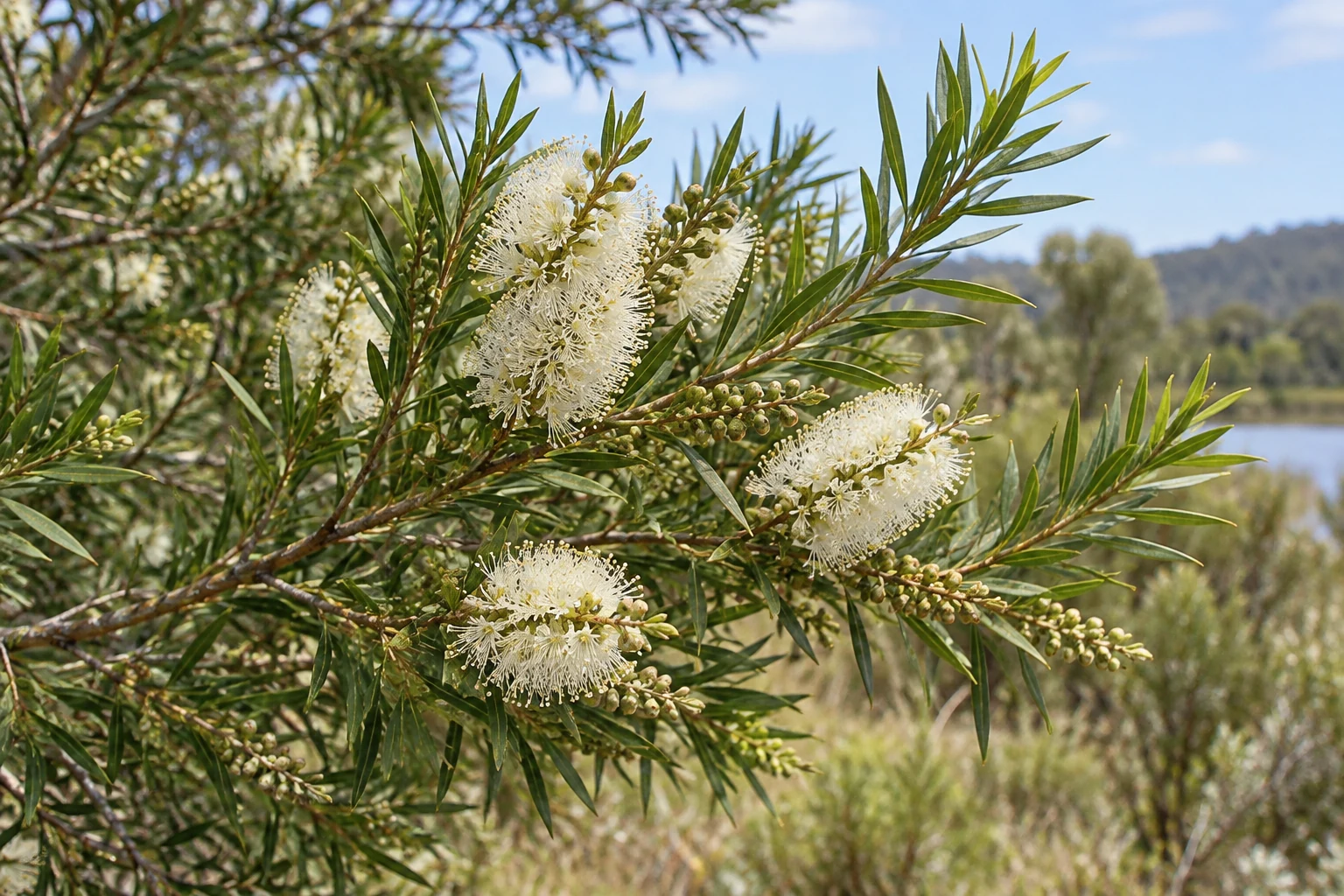
Athlete’s foot: a two-ingredient oil, with one important catch
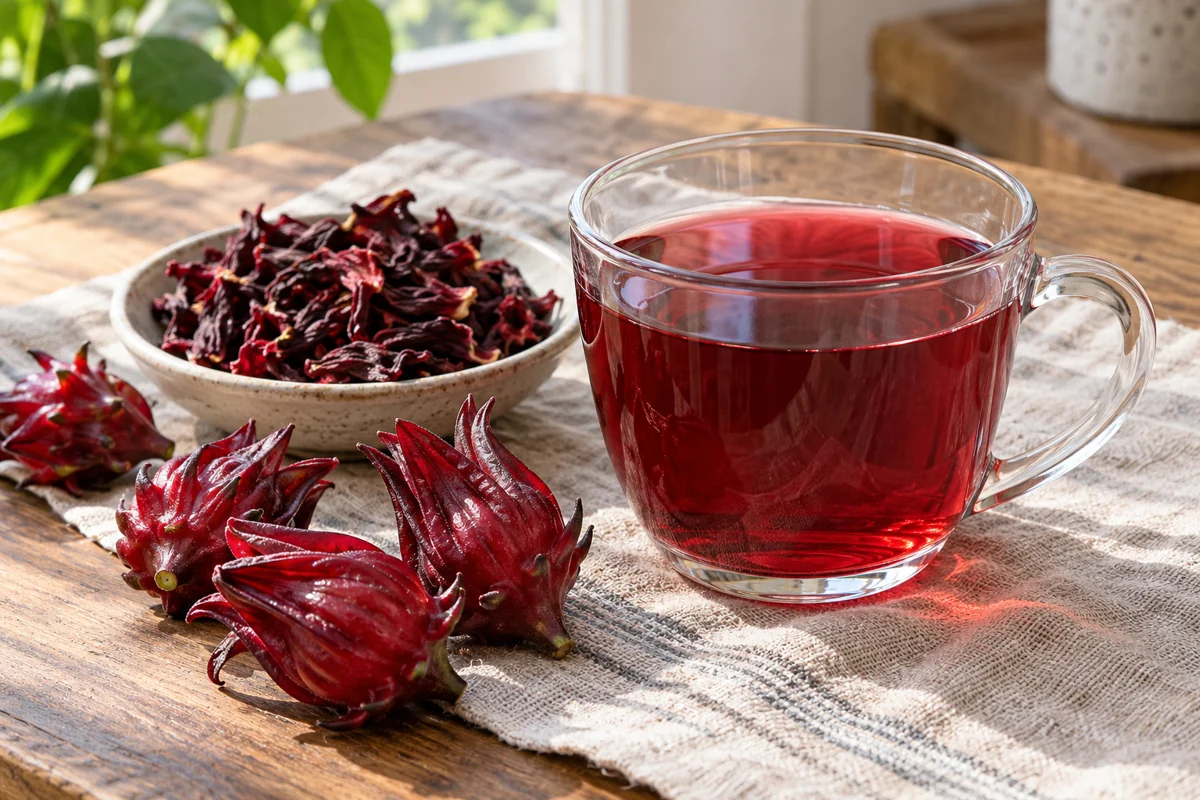
Blood pressure: the tart red tea researchers put to the test
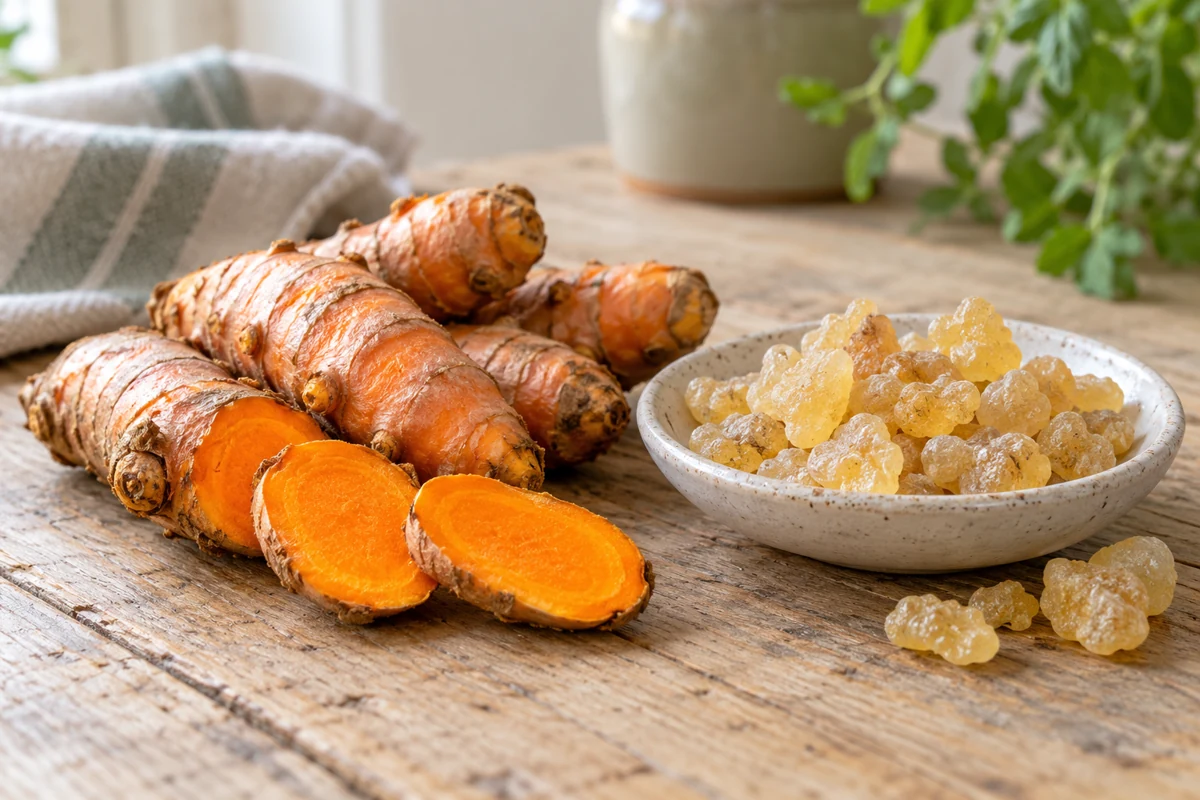
Aching knees: the golden root’s unexpected partner
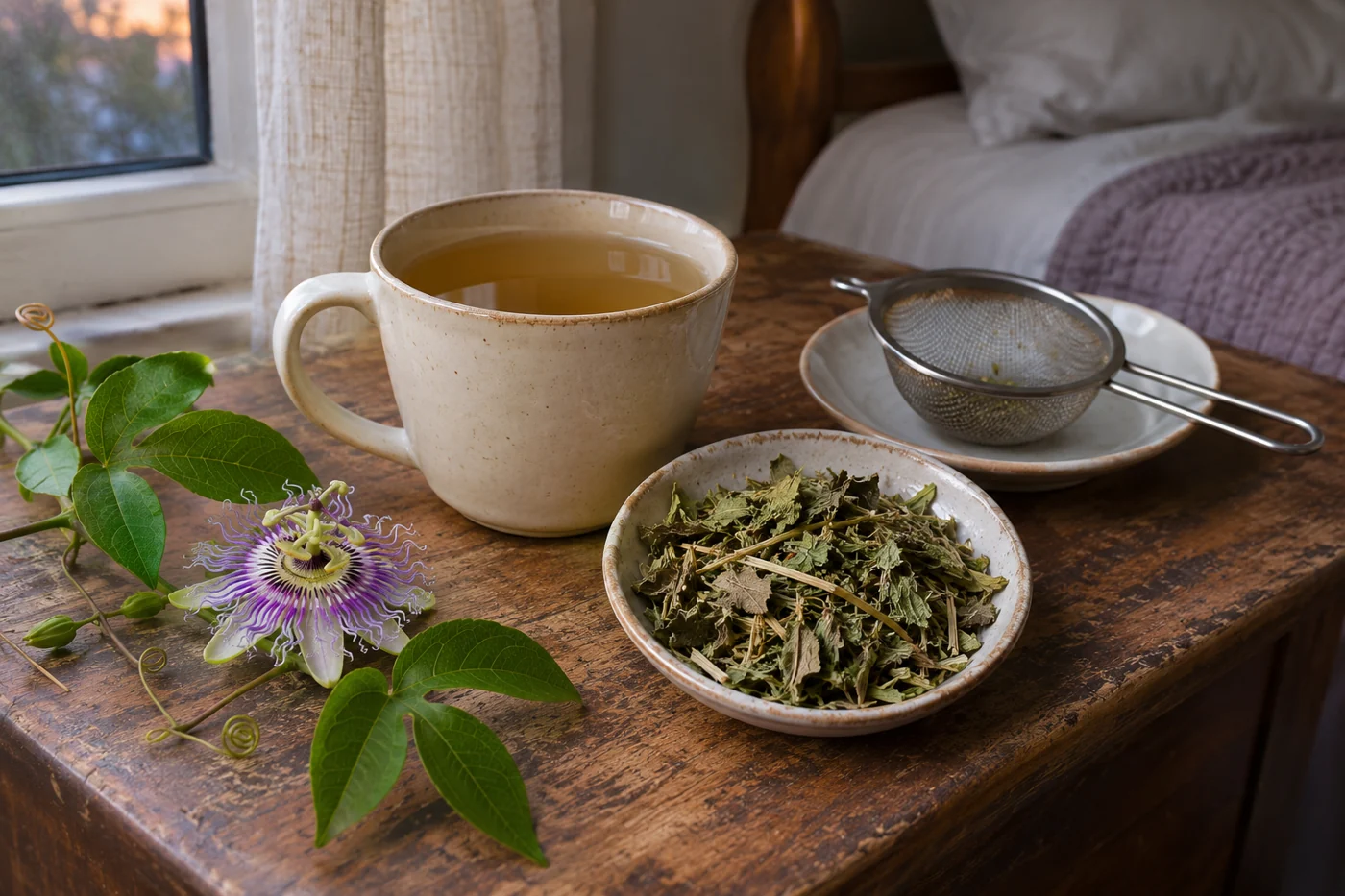
Trouble sleeping: the evening cup tested for better rest
Hair thinning: a garden shrub up against 2% minoxidil
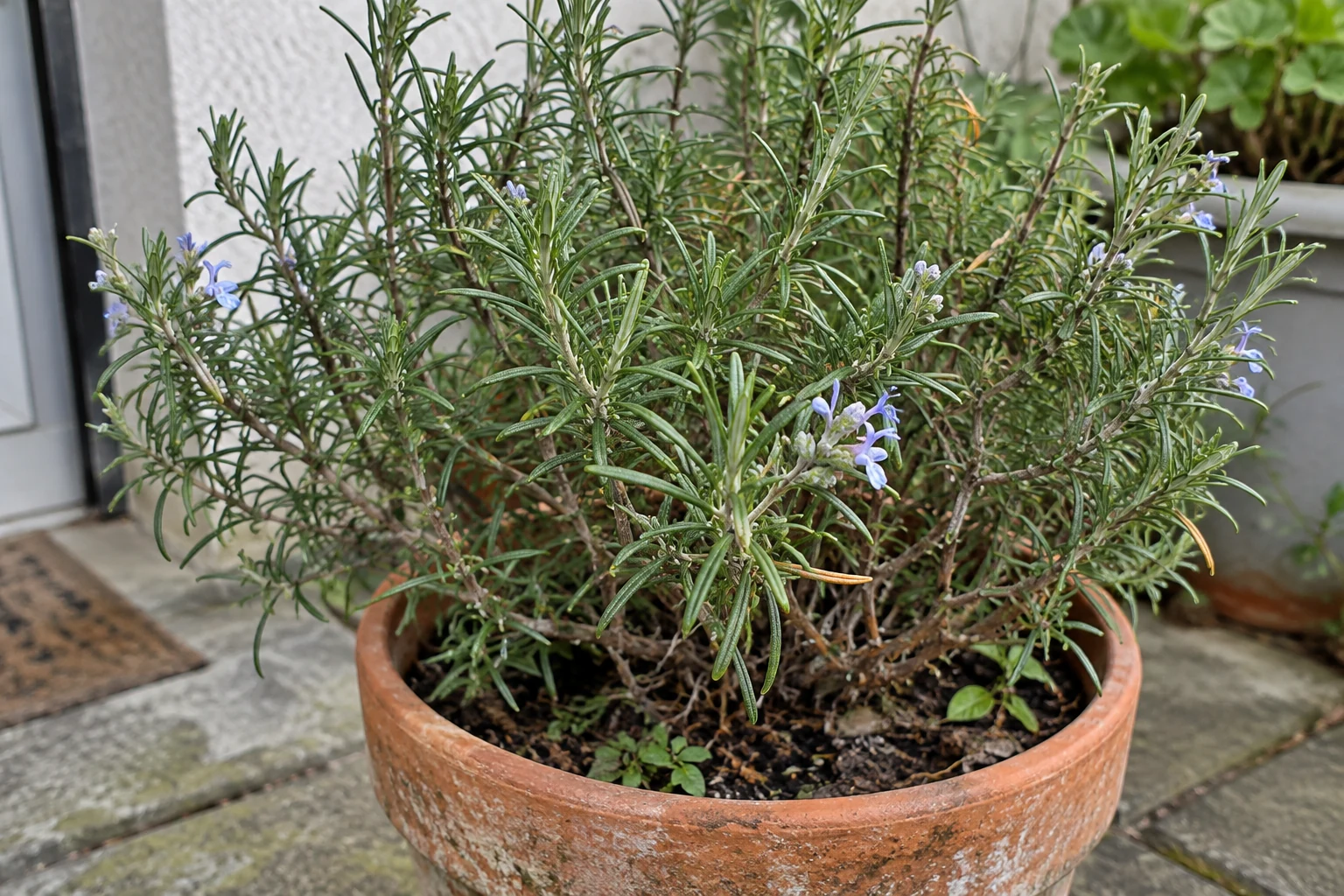
Bloating after meals: a root with a surprising partner
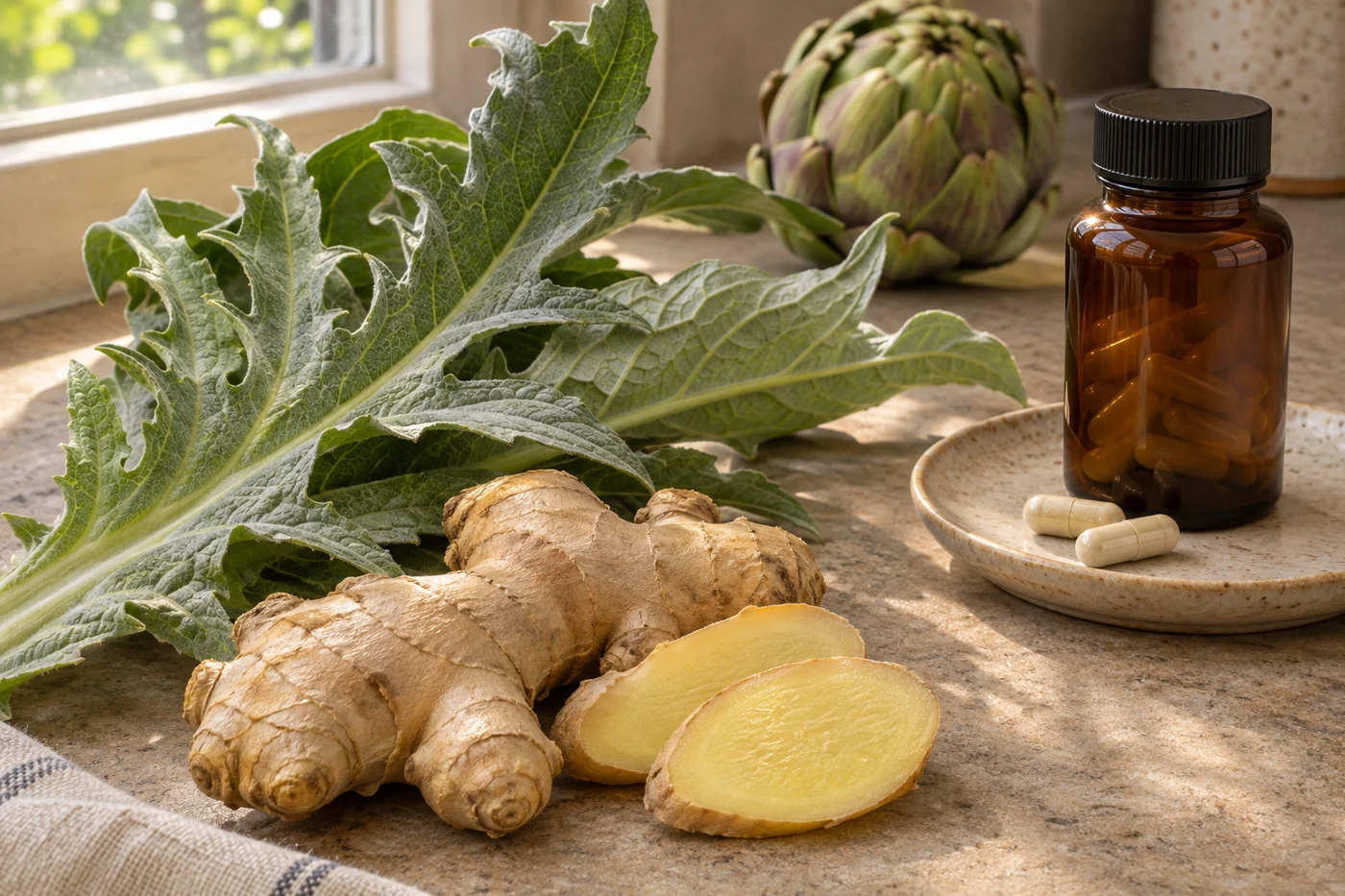
Heartburn: the sweet root with three letters to check
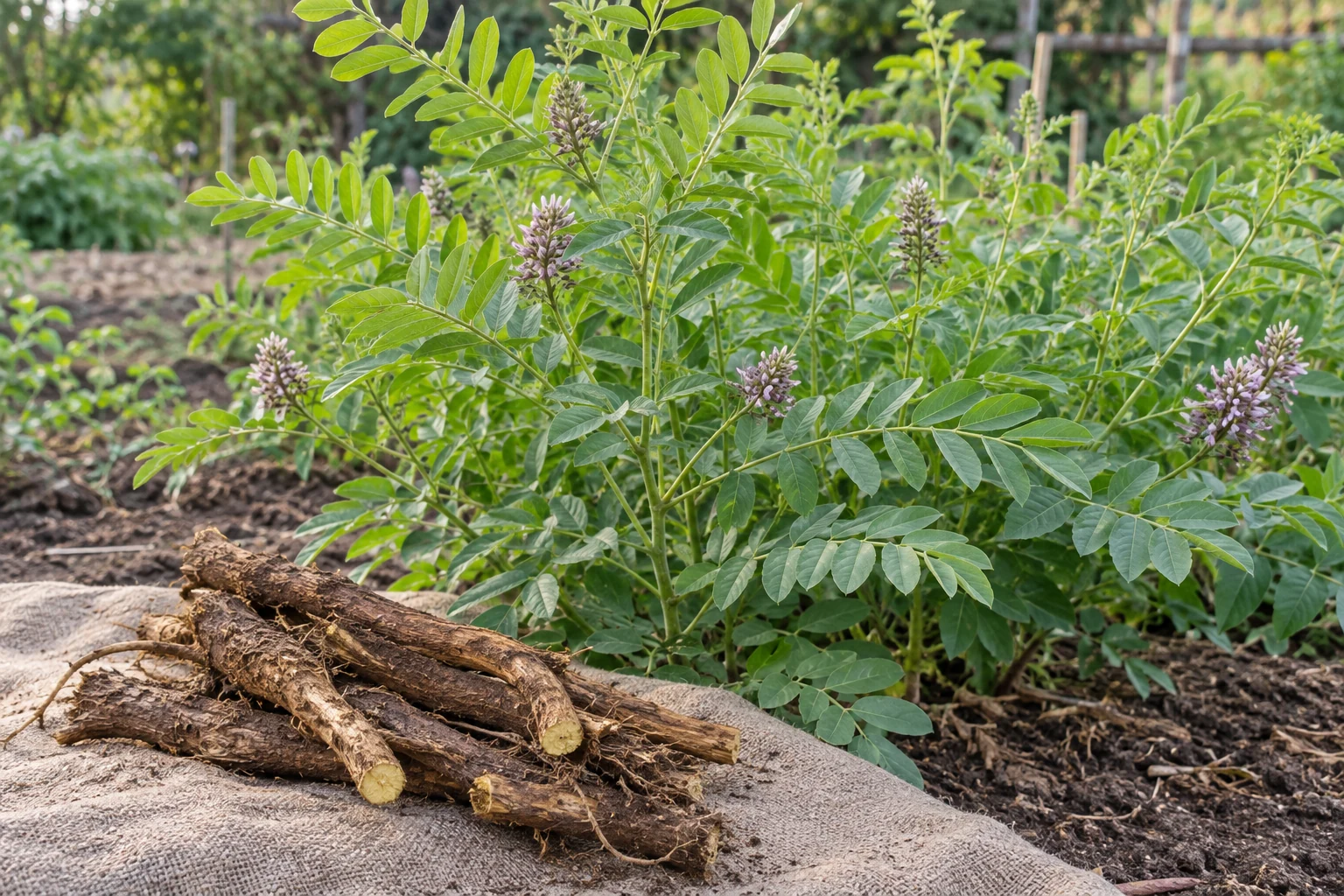
Acne: three ingredients, one studied cream
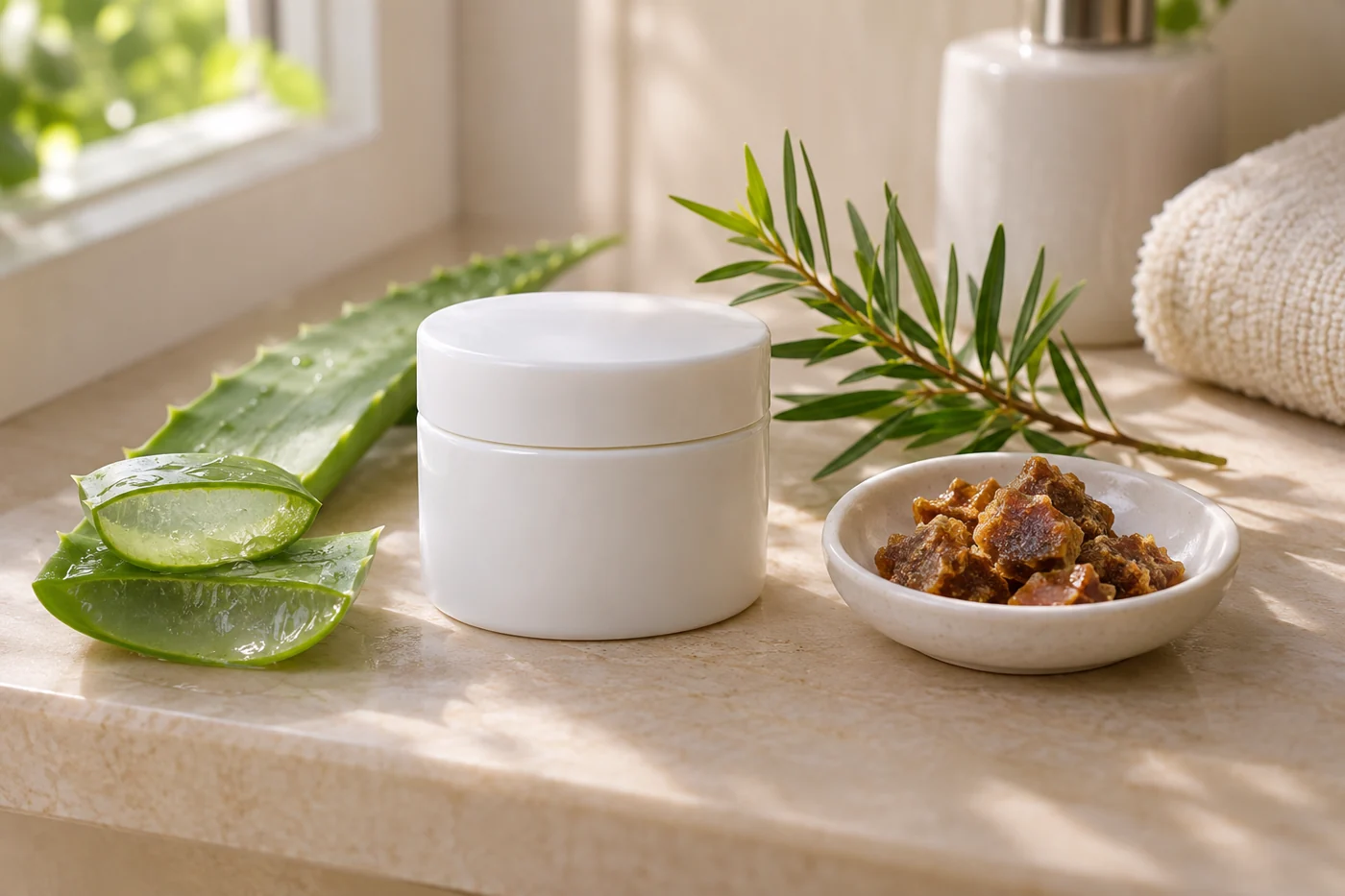
That’s eight. The Symptom Finder covers 70 health problems, and the main book has 158 herb profiles.
Get The Self-Reliant Herbal PantryOne payment of $19.99 · 60-day money-back guarantee · Instant PDF access
Here's Everything You Get
The Self-Reliant Herbal Pantry
All three guides · Instant PDF access
Your price for all three digital guides:
One payment. No subscription.
One payment of $19.99 · 60-day money-back guarantee · Instant PDF access
Instant PDF download · Secure checkout through Digistore24 · Also available as a paperback on Amazon
Prefer the main book in print? See the separate paperback on Amazon →
The Kitchen Test Promise
Download the guides. Brew the first cup. Make the first batch. If it isn't for you, ask for a refund within 60 days and you'll get 100% of your money back. All the risk is on us.

What Readers Say
“The handbook saved me so much time. Instead of Googling random remedies, I knew exactly which herbs to pair. My brain fog lifted, and I finally feel focused at work again.”
“I’ve struggled with blood sugar swings for years. The cinnamon porridge recipe was a game changer. Tastes great, and my levels have been more stable than they’ve been in ages.”
“Honestly, the teas are the easiest part of my routine now. A cup at night, and I sleep deeper without reaching for sleep aids.”
You Have Two Choices
Choice one: keep doing what I did. Pay for the bill, then Google at 11 p.m., then pay for a guess.
Choice two: spend one afternoon learning the 3-Question Test, and never wonder again which remedies deserve your money.
Get The Self-Reliant Herbal PantryOne payment of $19.99 · 60-day money-back guarantee · Instant PDF access
P.S. One 12-minute visit cost me $215. This entire system, 158 herbs, 50+ teas and 73 recipes, costs $19.99.
P.P.S. You have 60 days to try it. If it isn't for you, you get 100% of your money back. The only thing you risk is another 11 p.m. guess.