Discover why researchers paired these two plants for seasonal allergies — and how other herbal combinations are chosen for sleep, digestion, joint comfort and more.
Watch the story behind The Herbal Remedy Companion.
One small study paired black-seed oil with an extract from black pepper for seasonal allergies.1 That little detail opens a much bigger question: what should go beside the herb you already know?
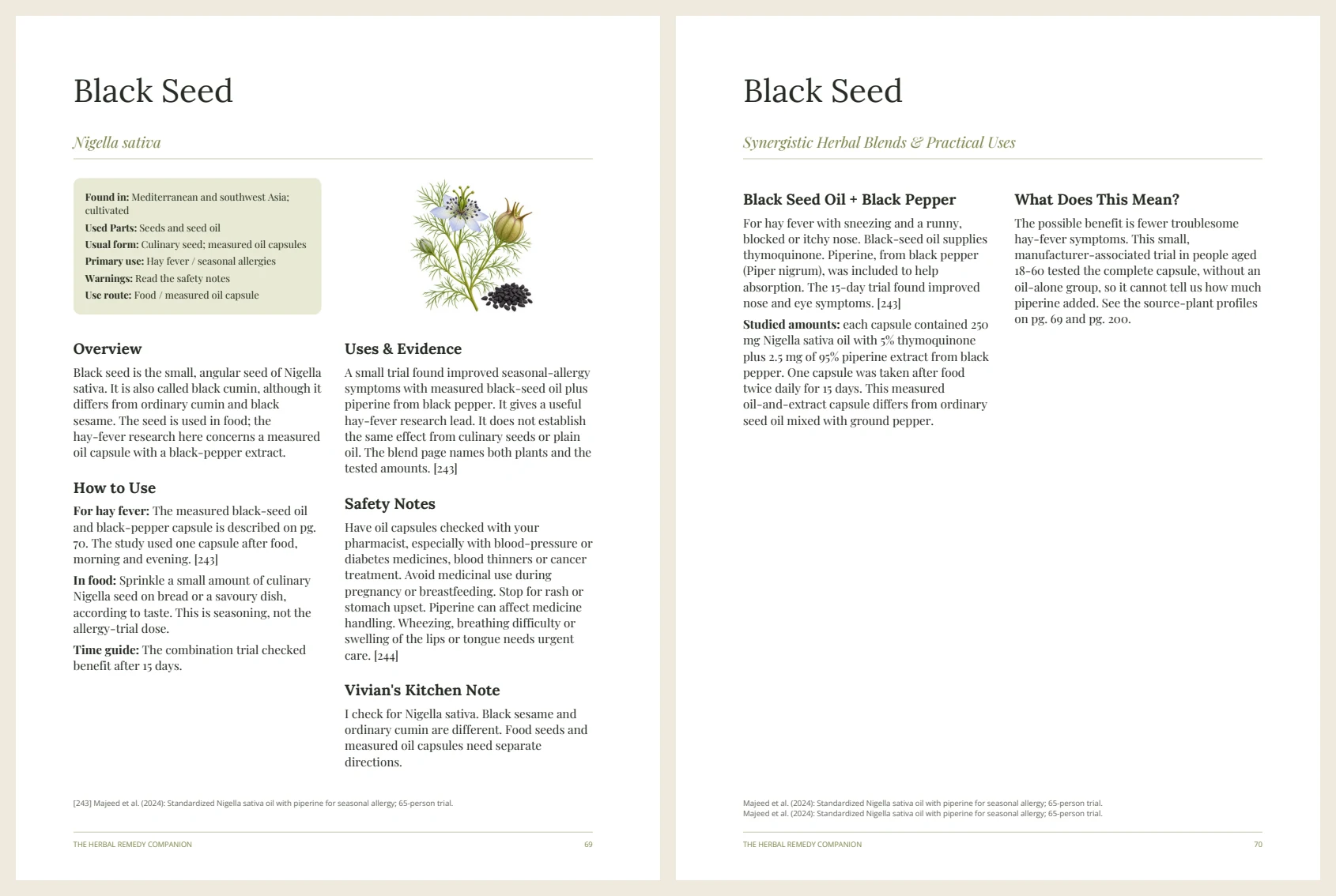
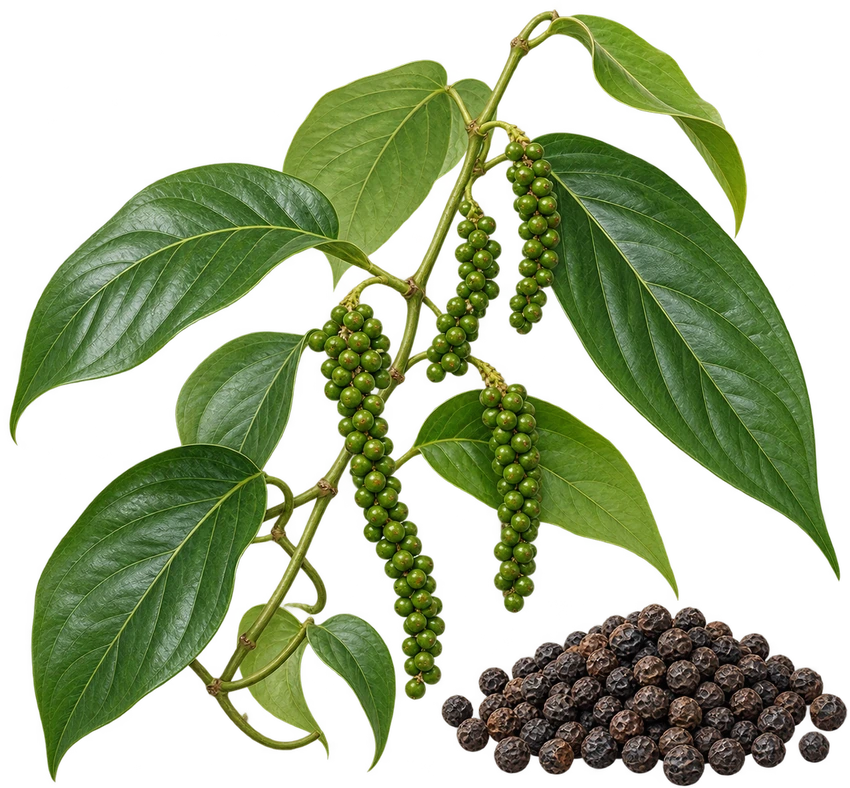
You know black pepper from the kitchen. Piperine is one of the substances that gives it its sharp taste. In a 2024 allergy trial, researchers used a concentrated extract of that substance alongside black-seed oil.
Why add the pepper extract? The researchers included it to help the body absorb substances in the oil. People taking the combined capsule reported more improvement in nose and eye symptoms than people taking a dummy capsule.1
65participants15days2source plants
That is a useful question to bring to any blend: what does each herb add, and why choose them together?
The trial used a specific oil-and-extract capsule, rather than ordinary oil mixed with ground pepper. It did not compare the combination with oil alone.
FROM THE BOOK Black Seed · pg. 69–70 · Tap to enlargeThe herb. The partner. The reason.
WHAT WE MEAN BY HERBAL SYNERGY
Choosing herbs whose roles complement each other. One may soothe an irritated throat while another is chosen for the cough. In other combinations, researchers investigate absorption. The point is to understand the job of each partner.
The book distinguishes traditional pairings from studies of specific formulas. A combination is not automatically better just because it contains more herbs.
02
A WORD FROM VIVIAN
“It began with a word I didn’t want to hear: prediabetic.”
A kitchen, a notebook and questions worth following.
THE QUESTIONS STARTED AT HOME
I wanted to feel more in charge of my own health.
After that check-up, I found myself thinking about blood sugar throughout the day. Watching carbohydrates. Wondering whether I was doing enough. Trying to get on with things while one more worry followed me around.
The metallic taste and digestive upset from Glucophage made ordinary days harder too.
Perhaps you know that feeling. A check-up gives you something new to worry about, but life carries on. People still need you. Dinner still needs making. And somewhere in the middle of it all, you are supposed to understand a condition you never asked for.
V.
By your forties, fifties or sixties, you may already have quite enough on your plate. A parent needs help. A grown child still needs support. You finally sit down in the evening and remember three things you haven’t done.
I wanted more say in how I looked after myself. I wanted to know what I could do for an everyday discomfort before automatically reaching for another bottle. Which herbs were worth learning about? What could I make at home? What did I need to know first?
I kept thinking about the practical skills of my parents’ generation. Knowing the plants they used. Knowing how to prepare them. Having something useful to pass on. I wanted that confidence for myself and my family.
And the cost mattered. A small box for the sneezing, something for an aching knee, a few other things you meant to pick up — it all comes out of the same household budget. I wanted to understand my choices before spending more.
So I bought the cinnamon and turmeric people recommended. Then I began spending late evenings on PubMed, reading the research behind the claims.
The combinations kept drawing me back. A familiar spice beside another spice. A tea with a second herb in the blend. Why that partner? What was it supposed to add?
Sometimes the interesting part was how one substance helped the body absorb another. Sometimes the herbs were chosen for different parts of the same discomfort. I wanted to understand the reason, then find out how the preparation was actually made.
That is how this book took shape. I wanted you to be able to open it with a real question — a dry cough, aching joints, a night when you cannot settle — and find the relevant pages without spending your evening searching.
The herb. The part to use. The preparation. The reason for the partner. And the things to check before you begin.
For me, independence starts with understanding what I am using. Enough knowledge to make a thoughtful choice, enough confidence to learn a useful skill, and enough sense to ask for help when I need it.
My Christian faith shapes the care I put into my home and family. I hope these pages give you something practical to bring into yours.
Vivian Greene
The voice behind The Herbal Remedy Companion
03
A CLEAR PLACE TO BEGIN
A dry cough? High blood pressure? Start with the right pages.
A SMALL LOOK INSIDE THE THINKING
What are you trying to find?
A TRADITIONAL SOOTHING PAIRING
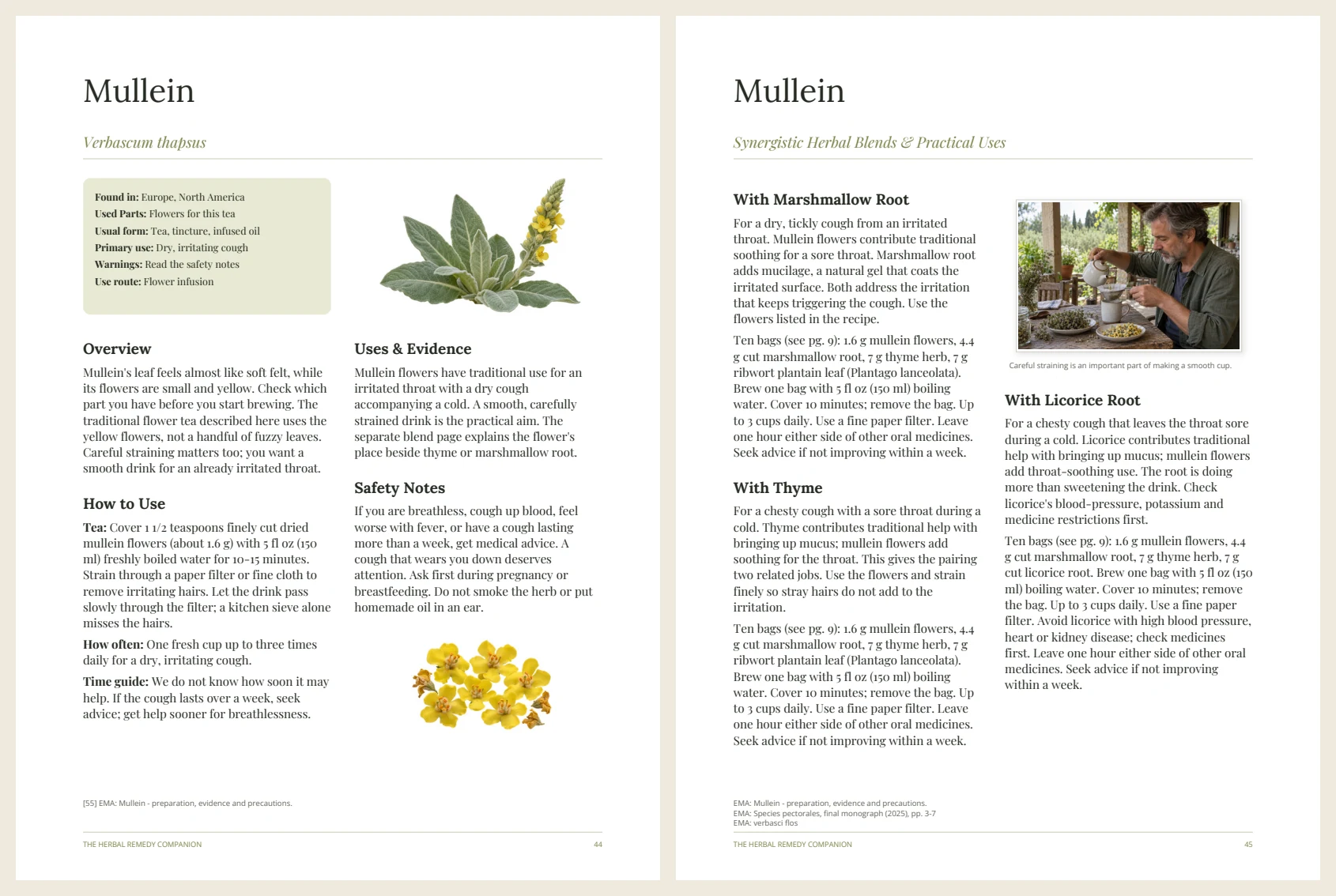
Mullein + Marshmallow Root
A dry cough can leave the throat feeling sore and tickly. These notes explore a pairing chosen with that irritation in mind.
Mullein
Traditionally used to soothe the throat during a dry cough.
Marshmallow root
Adds the slippery, soothing quality of its mucilage — a gel-like substance released into water.
Inside the book: the purpose of the pairing, the amounts and the separate soaking and straining steps.
Mullein · pg. 44–45 · Tap to enlarge
Examples explain how the guide is organised. They are not a diagnosis or a recommendation for your own symptoms. Read the herb’s full directions and safety notes.
MEET YOUR HOME HERBAL REFERENCE
Find the herb. Understand how to use it.
The Herbal Remedy Companion brings the plant, the purpose, the partners and the practical details into one illustrated guide.
a little herbal curiosity
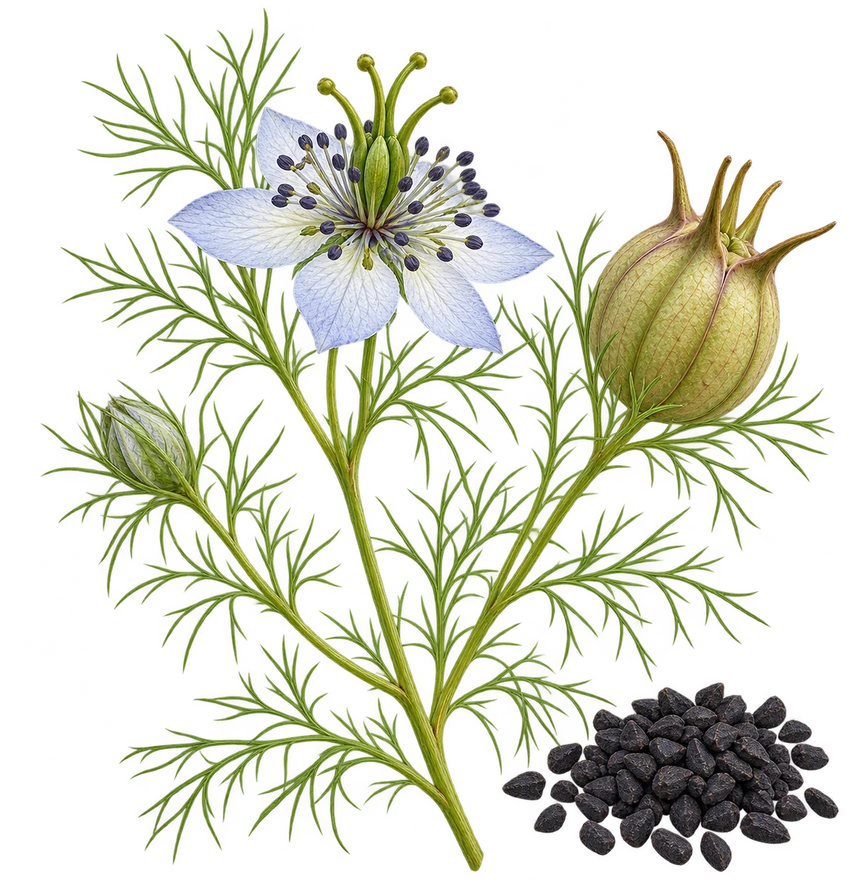
BLACK SEEDNigella sativa
BLACK PEPPERPiper nigrum
49HERBAL COMBINATIONS
Digital guide · Book mockup for illustration
THE HERBAL REMEDY COMPANION
Learn the herb. Then meet its partners.
Follow 158 herbs from their main uses to the part of the plant you need, the directions and the cautions.
Then explore the combinations: what each herb adds, why the pairing is chosen and the amounts used.
Research notes and traditional uses sit beside practical explanations you can return to when you need them.
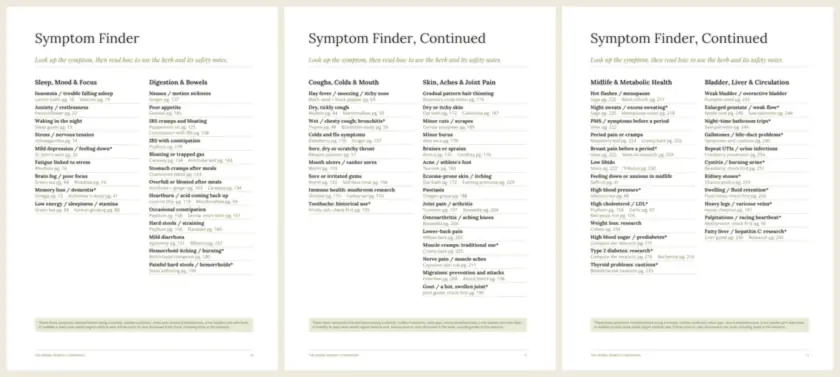
START HERE Symptom Finder · 3 pages · pg. 10–12 · Layout preview
YOU START WITH THE PROBLEM YOU HAVE
“Where do I look for joint pain?”
Or bloating. A dry cough. Brain fog. Those are the words people look for when they want to find their way through a herbal guide.
The three-page Symptom Finder covers 70 symptoms and health concerns, from sleep and joint pain to blood pressure, cholesterol and bladder problems. It takes you straight to the relevant profiles and supporting pages. The Combination Finder helps you follow the pairings.
Joint pain / arthritisSleepBrain fog / focusBloatingHot flashesHay fever
Entries cover topics discussed in the book, including traditional uses and research limits. They do not mean every concern has a proven home remedy.
01
Find your concern
Follow a page number from the Symptom Finder.
02
Get to know the herb
Check its main use, the part needed and how to use it.
03
Understand its partners
See what each herb adds and why the blend is chosen.
04
Keep the useful details
Read the Kitchen Notes, research explanations and cautions.
THERE IS A WHOLE REFERENCE BEHIND THESE EXAMPLES
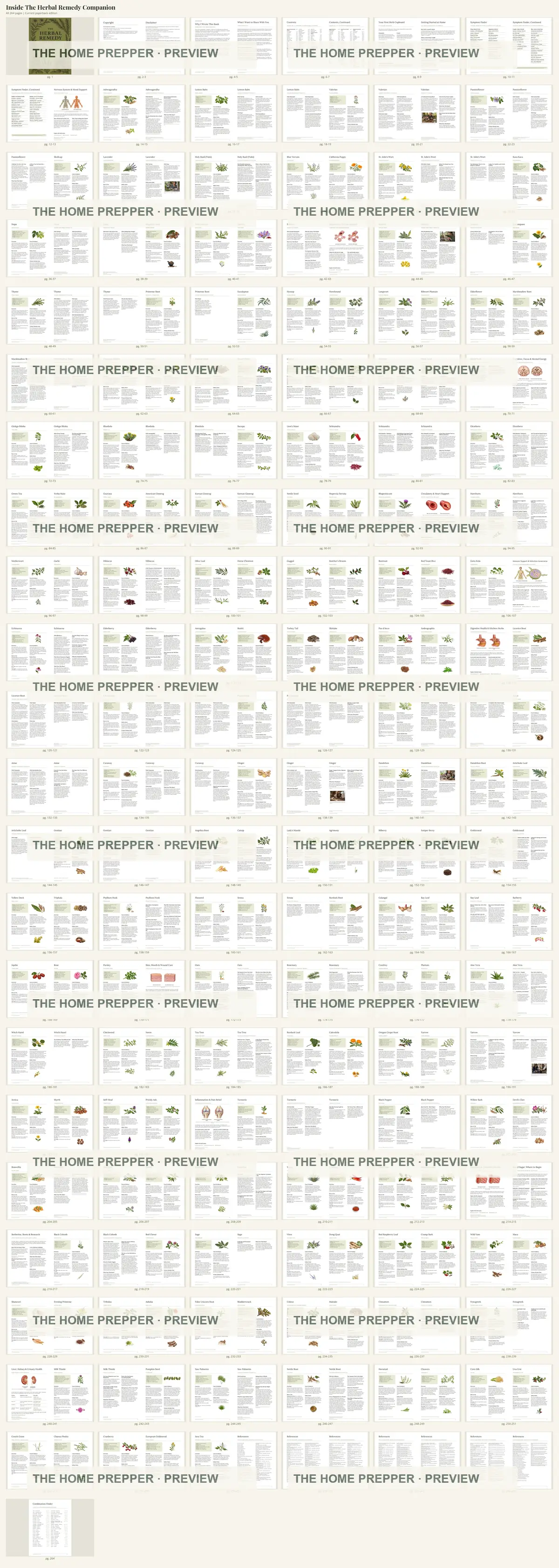
264 pages. Built to be used again.
158 herb profiles. 49 combinations. A three-page Symptom Finder. The directions, research and practical notes are there to return to whenever you need them.
This small, watermarked overview shows the range of pages. Use the selected samples above to take a closer look at the writing.
See the page overview ↗
04
THE PAGES THAT SEND YOU BACK TO YOUR SPICE SHELF
Familiar herbs. A few very interesting details.
THE TURMERIC + BLACK PEPPER STUDY2,000%
increase in curcumin absorption at the doses studied
In a small human study, piperine from black pepper increased the absorption of curcumin, a compound in turmeric, by 2,000%.
That is what makes the pairing worth understanding: more of the curcumin reached the bloodstream.
Researchers used 2 grams of curcumin and 20 milligrams of piperine. The figure measures absorption, not 2,000% greater health benefits, and does not establish the same result from a kitchen recipe.
The book’s “What Does This Mean?” notes help you see what a finding can tell you — and what you can reasonably take from it.
01 / A RESEARCH QUESTION
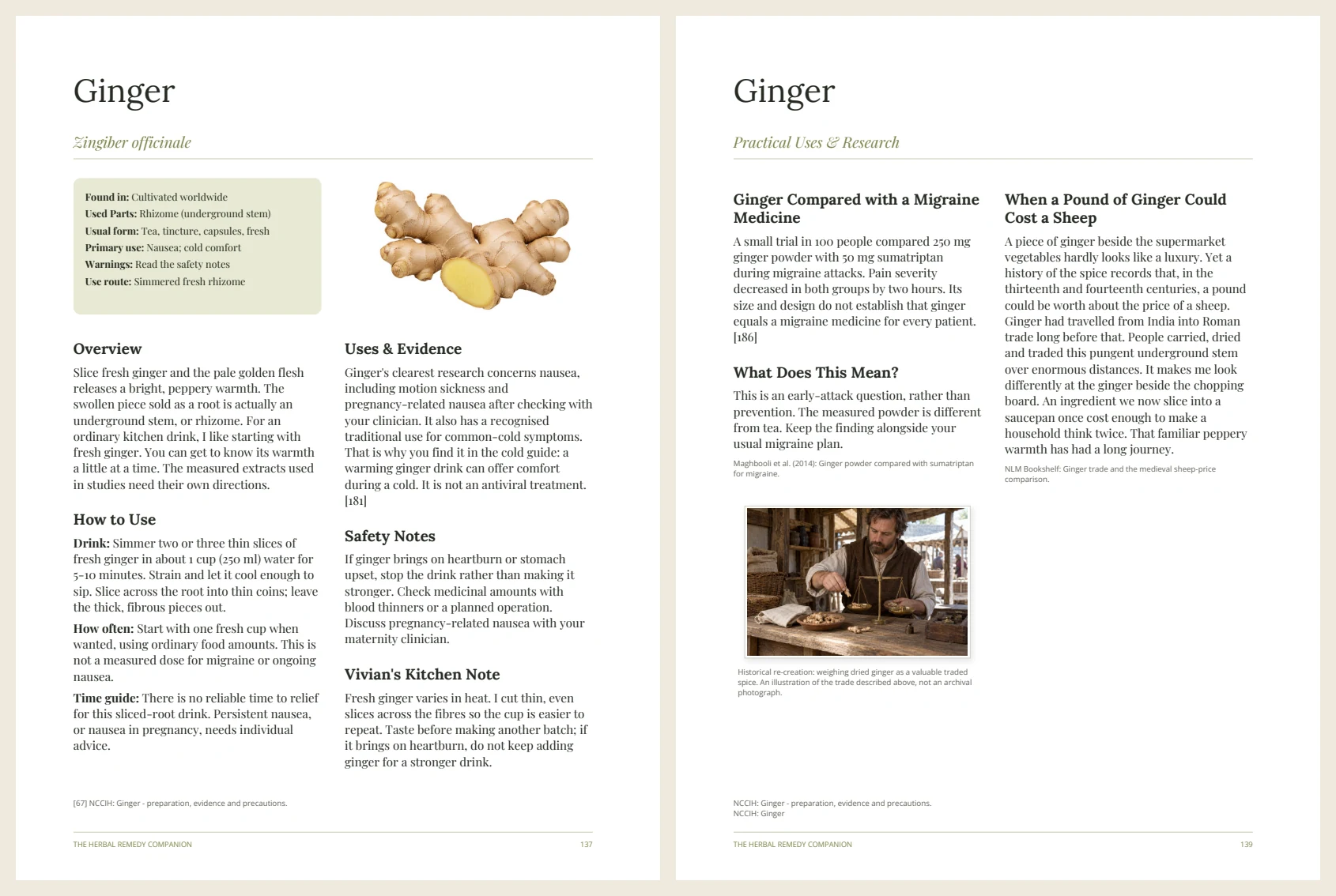
Why was ginger compared with a migraine medicine?
The ginger pages take you through a small study of ginger powder alongside a migraine medicine, then explain the result in plain words. The form and amount matter when you read a finding like that.
With mullein, the fine hairs are part of the answer. It is the kind of small, practical detail you want beside the instructions before you make your first cup.
Keep the explanation close to the things you will actually use.
VIVIAN’S KITCHEN NOTES
“Tell me the little things I’ll wish I’d known before I started.”
Whole seeds, chopped root or loose flowers? Should it be covered while it steeps? Does it need to be strained more carefully?
Those details belong beside the instructions. Kitchen Notes appear where they add something useful, helping you choose the ingredient, follow the method and understand the result you are looking for.
FROM VIVIAN’S NOTEBOOK
With fresh ginger, thin, even slices make the cup easier to repeat. With mullein, the filter deserves your attention. With black seed, make sure you are reading about Nigella sativa, rather than black sesame or ordinary cumin.
A few thoughtful details can make a page much easier to use.
05
YOUR HERBAL LIBRARY DOESN’T STOP AT ONE GUIDE
For the kitchen table. For the teapot. Both bonus guides are included.
BONUS 01
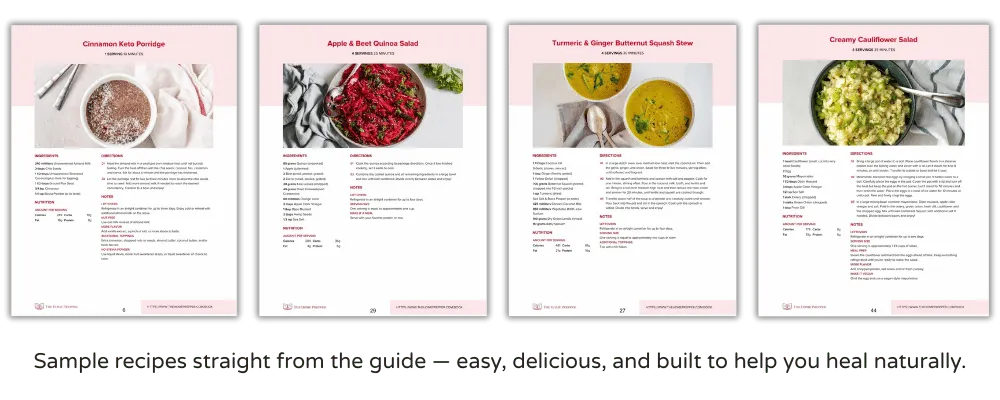
73 RECIPES FOR YOUR KITCHEN
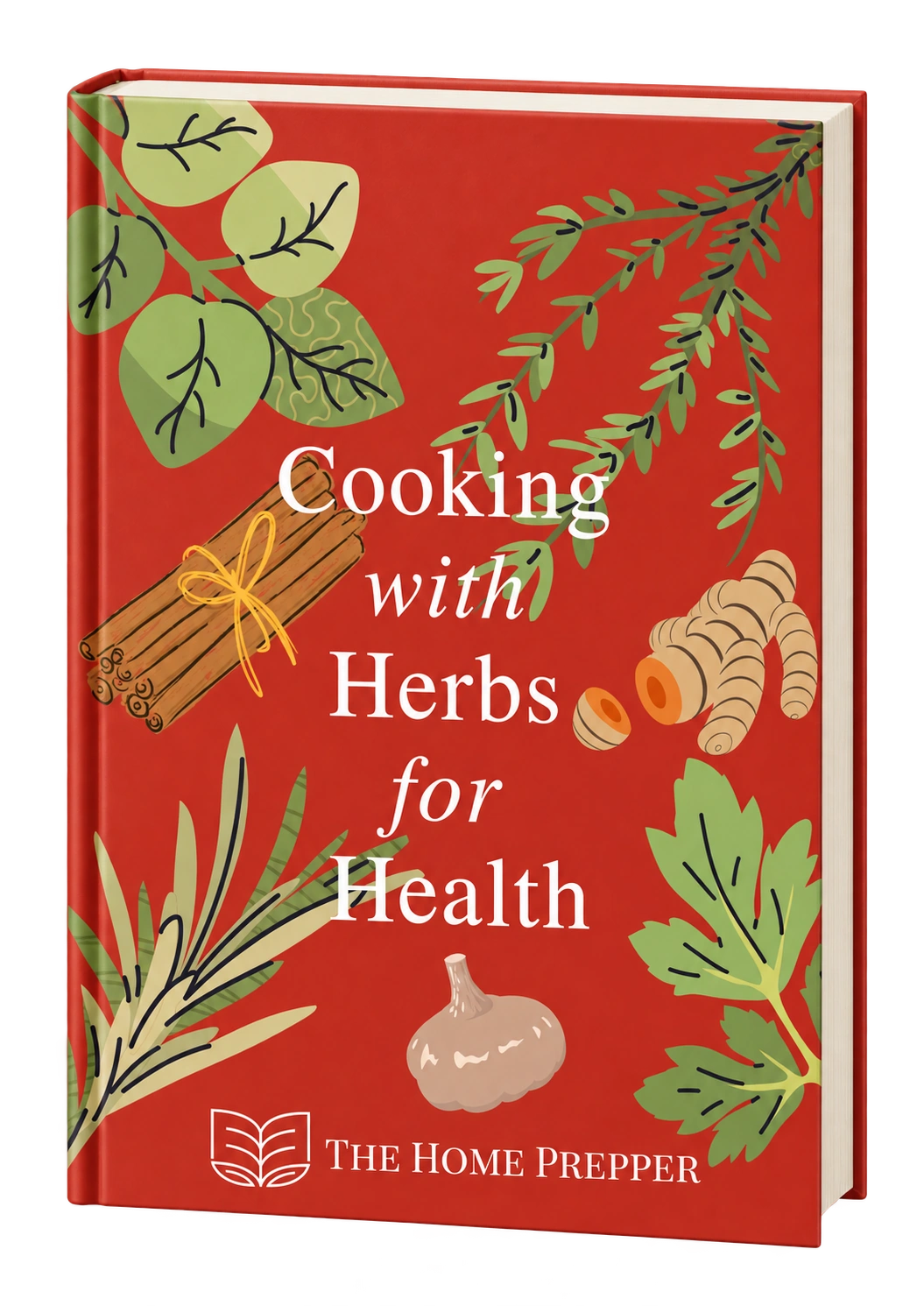
Cooking with Herbs for Health
Find a place for your herbs in breakfast, lunch and dinner. Start with familiar food, then try cinnamon porridge, Turmeric & Ginger Butternut Soup and more.
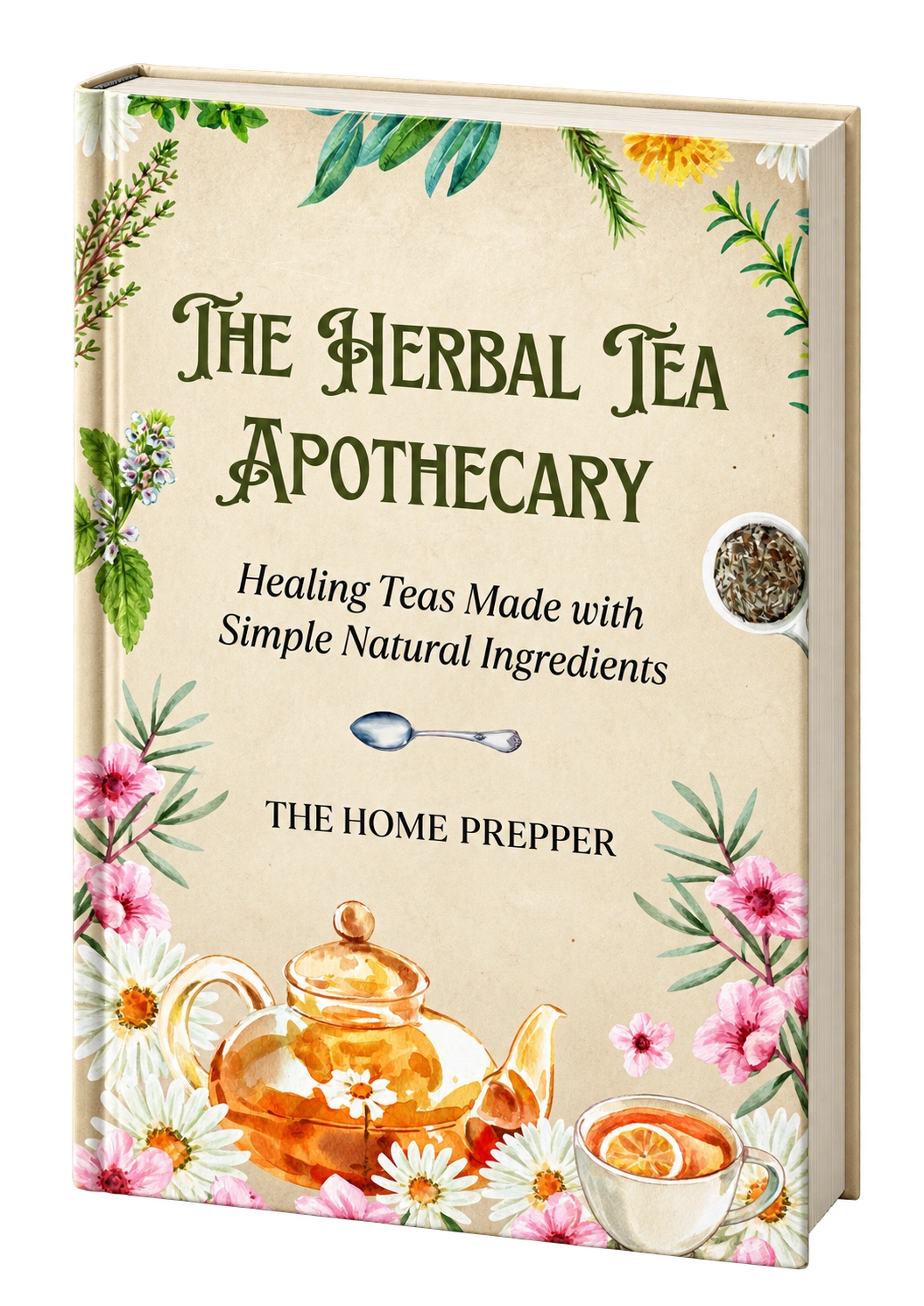
Put the kettle on with a blend in mind. Explore the Sweet Sleep Blend, Belly Comfort Infusion and more, with ingredients and brewing instructions to follow.
Secure Digistore24 checkout · Any applicable tax shown at checkout
Digital access60-day guarantee
TAKE YOUR TIME60DAYS TO EXPLORE
MAKE SURE IT BELONGS IN YOUR HOME
Read it. Try finding what you need. Decide for yourself.
You have a full 60 days to explore the guides. Look up your concerns. Read the profiles. See whether the instructions and explanations are useful to you.
If you are not satisfied, request a 100% refund within 60 days. Email [email protected] or use the support link in your order confirmation.
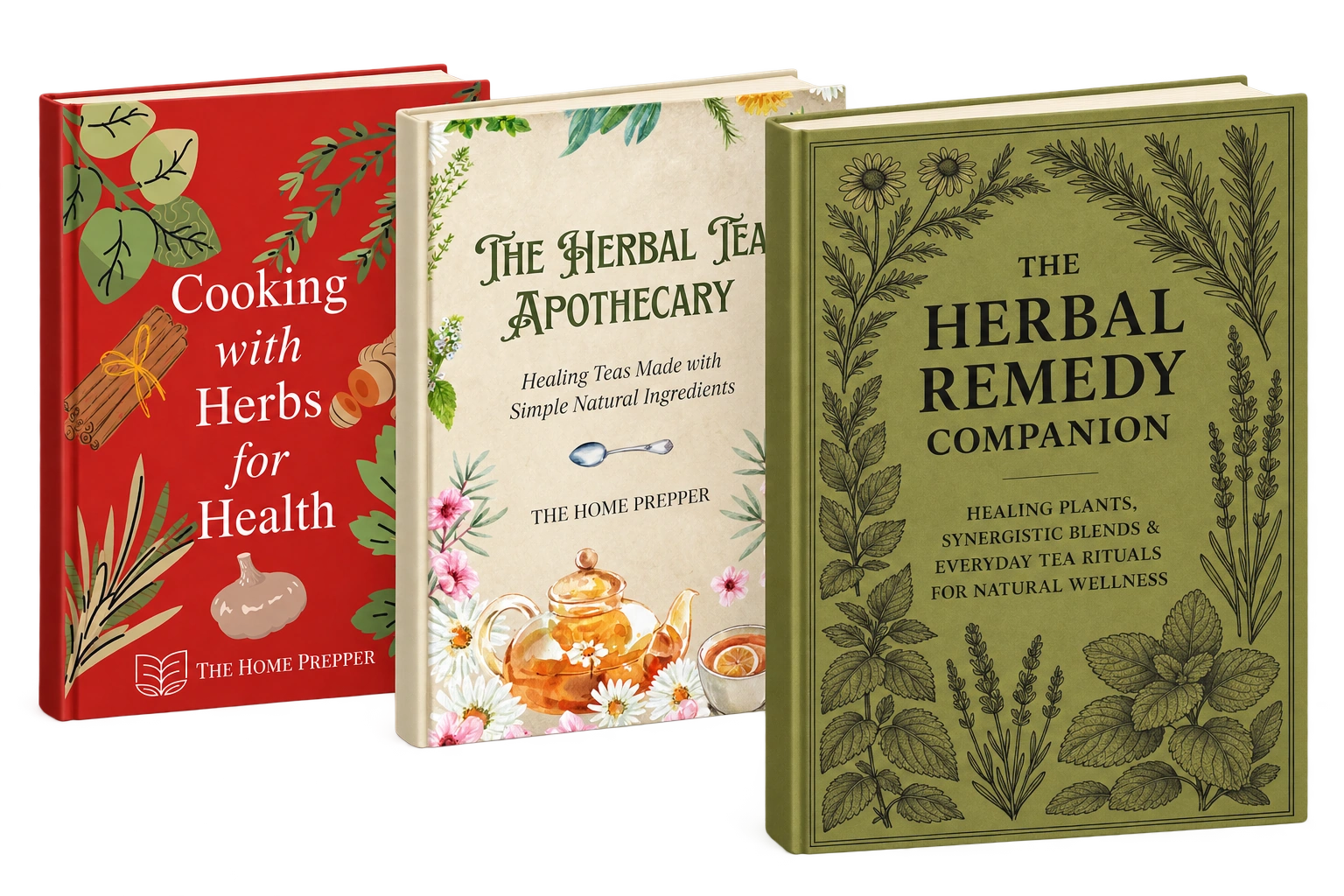
This $27.99 bundle contains three digital guides. You will receive access instructions after checkout. No printed books are shipped with this offer. For physical copies, contact us for details.
Do I need to know about herbs already?
No. Begin with a familiar herb or use the Symptom Finder. Profiles keep the main use, plant part, instructions and cautions together. The blend pages explain why the partners are chosen.
Can I make every combination as a tea?
No. The method depends on the herb and the use. Some pages describe teas, rinses or poultices. Others explain research on measured oils or extracts. The guide tells you which form is being discussed.
Will I be able to find the herbs?
Many are familiar ingredients such as ginger, garlic, rosemary, turmeric and common tea herbs. Others may need to come from a specialist herb supplier. Check the plant name and the part used before you buy.
What if I take prescription medicines?
Some herbs and extracts can interact with medicines. Read the relevant safety notes and ask your pharmacist or doctor to check the combination against your medicines before using it. Do not stop or change a prescription on your own.
Is this a one-time payment?
Yes. All three guides are included for one payment of $27.99, with no subscription. The final total, including any applicable tax, appears at the Digistore24 checkout.
What if the guides are not right for me?
Your purchase includes a 60-day, 100% money-back guarantee. Contact support or use the order-support link in your confirmation within 60 days of purchase.
THERE IS A REASON TO KEEP READING
The next herb you look up may lead you to its most interesting partner.
Keep the explanation, the method and the practical details together.
One payment · Digital access · 60-day money-back guarantee
A closer look at the research
1. Black-seed oil with piperine: the seasonal-allergy study
Majeed et al. (2024), Medicine, 103(32), e39243. A 65-person, 15-day trial compared a measured black-seed oil and piperine capsule with placebo. It enrolled people aged 18–60, used a specific concentrated formula and had manufacturer-associated authors. Without an oil-only comparison, it cannot establish the added clinical benefit of the pepper extract. Read the original study.
2. Turmeric and black pepper: the absorption study
Shoba et al. (1998), Planta Medica, 64(4), 353–356. The small human study used 2 g curcumin with 20 mg piperine and reported a 2,000% increase in bioavailability. That finding concerns the tested compounds and amounts, rather than the health effects of a household spice blend. Read the original study.
3. Hibiscus tea and blood pressure
McKay et al. (2010), Journal of Nutrition, 140(2), 298–303. In a six-week trial with 65 adults who were not taking blood-pressure medicines, the top reading fell more with hibiscus tea than with the comparison drink. This was a study of hibiscus alone. Read the original study.
4. U.S. allergy-medicine price examples
Target online listings checked October 21, 2026: Zyrtec, 30 tablets, $19.99; Claritin, 30 tablets, $20.99. Prices can vary by location, promotion and date. Generic versions may cost less. These are spending examples, not a comparison of treatment effectiveness or a claim of savings from the book.
The traditional pairing examples follow the uses and sources discussed in the guide. Further reading: EMA summaries for mullein flower, marshmallow root and sweet fennel. The book includes 249 references.