Coffee And Energy Drinks Are Band-Aids. Here’s The Pantry-Based Plan I Built Instead, And The 3 Questions That Keep It Honest.
A kitchen-table researcher's guide to 158 herbs, 50+ teas and 73 recipes you can make yourself, built on one rule: trust the tradition, verify the science, respect the risks.
▼ WATCH THIS SHORT VIDEO FIRST ▼
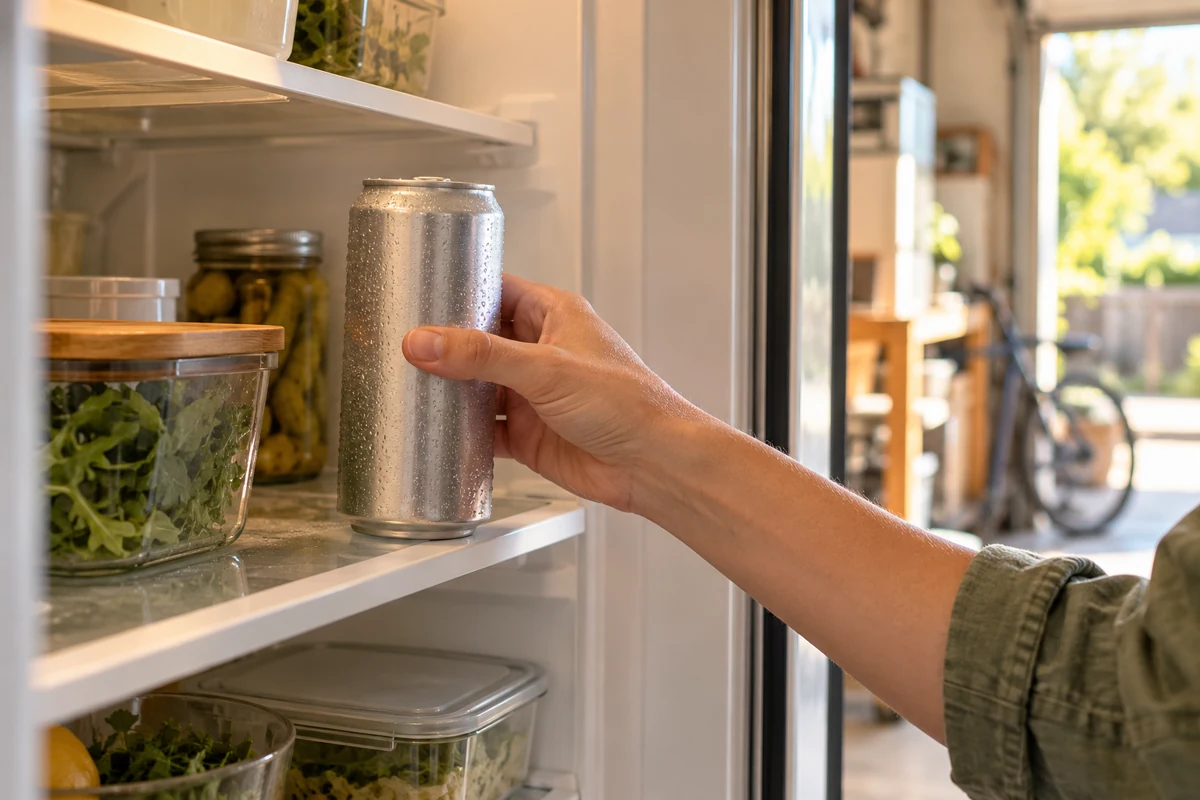
Get The Self-Reliant Herbal PantryIn the video I told you quick fixes are band-aids on a bigger problem. I can say that with confidence, because I used to be the queen of band-aids. At 2:15 every day I walked out to the second fridge in our garage, the one with the dented door, and took down a cold 16-ounce can of sugar-free energy drink, because by 2:00 the wall had already hit. In July I'd stand there with the door open for a full minute and tell myself it was for the air conditioning.
But the energy drink wasn't my only band-aid. The bigger pile was in a kitchen drawer.
Sound familiar?
- You've bought something “natural” and honestly couldn't say whether it did anything
- Every article you read contradicts the last one
- You've stood in an aisle holding a bottle and couldn't answer a simple question about it: which part of the plant, how much, and who tested it?
- You've spent real money on things that ended up in the back of a drawer
- You'd rather understand a remedy and make it yourself than hope a label is telling you the truth
If that's you, I'm not going to tell you it's your fault. It wasn't mine either.
The drawer I called the graveyard
It's the third drawer to the left of my stove, the one that sticks unless you lift and tug at the same time. If you'd opened it last March, you'd have found eleven bottles and boxes. Here are eight I could still name:
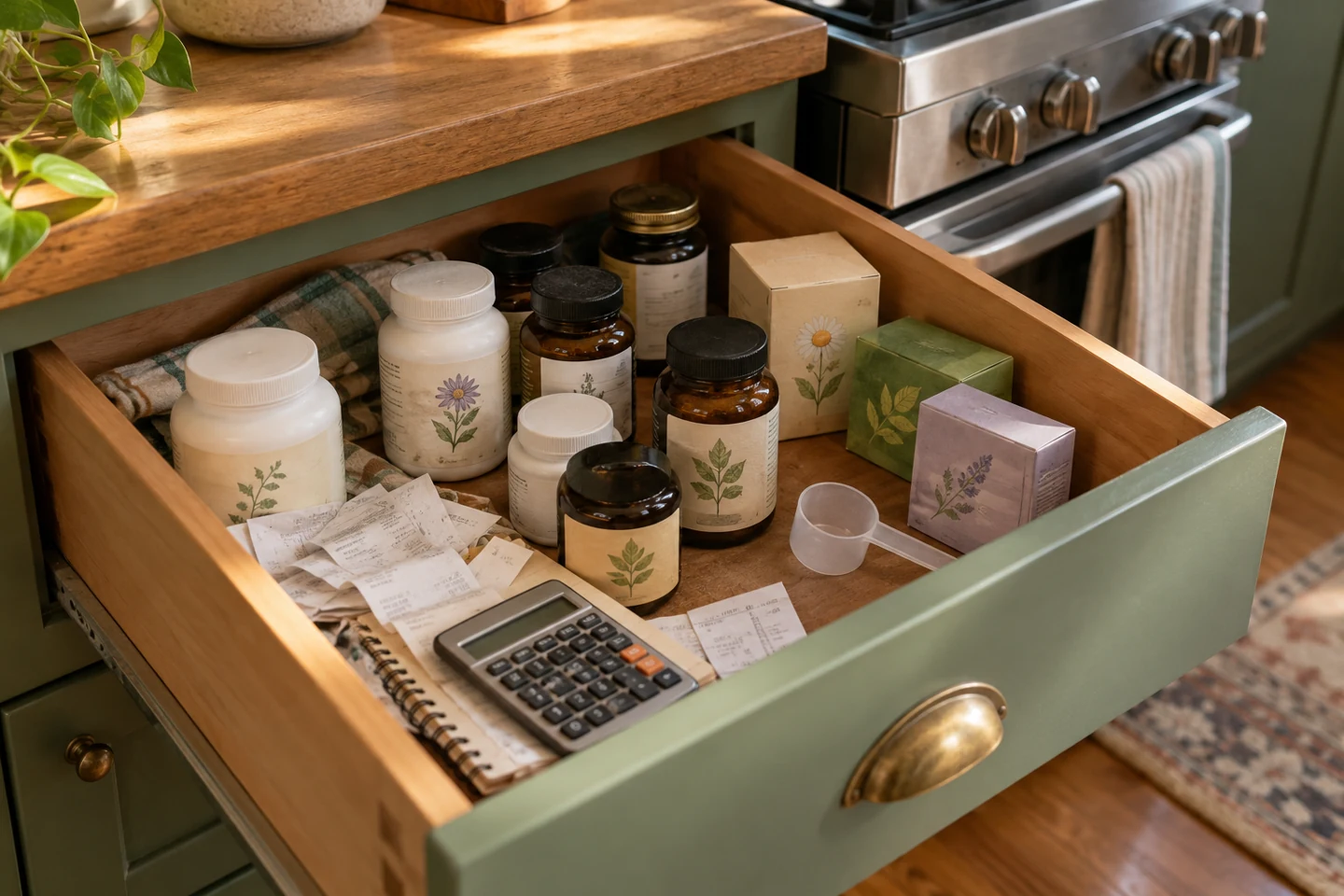
One Sunday night I dug the receipts out of the back of that drawer, an envelope gone soft from being shoved around, and added them up on a calculator. I'd bought the $52 green powder because the label had a picture of a meadow on it. I'm not proud of that. $412.60 in nine months, refills included. And I could not have told you what a single one of them had done for me.
And that was only the bottles. Add the appointments, the co-pays and the prescription refills for my husband and me, and I realized I was spending a small fortune to feel like I was doing something about my health.
I'm the person in our house who handles the appointments, the refills, the grocery list and the budget. I'm not a doctor, and I never wanted to be. My days ran on three cups of coffee before 9 a.m. from a twelve-cup drip machine, a can in the garage at 2:15, and a drawer of hope in between.
My sleep was light, and I was wired at night. I blamed stress, my schedule, even the weather. I never once blamed the 2:15 can.
The three questions I couldn’t answer
It was a Tuesday, about 9:40 at night, the dishwasher running. My husband was digging through that drawer for packing tape when he picked up the “Metabolism Support Complex” and asked, “What's actually in this?”
I turned the bottle under the kitchen light and read the back panel. Seven ingredients: green tea leaf, cinnamon bark, turmeric root and four more, all lumped under one line. Proprietary Blend, 1,150 mg. Not one of them had its own amount.
So he asked me three simple things.
Which part of the plant is that? I didn't know.
How much cinnamon is in one capsule: enough to matter, or a dusting? I didn't know.
Did anybody ever test this combination? Or just each ingredient on its own, at doses that wouldn't fit in a capsule? I didn't know that either.
I had paid $34.99 for something I couldn't describe. I had been letting a label do my thinking.
“Maybe stop buying things you can’t explain,” he said, kindly. It stung, because he was right. I laughed, then stopped laughing, took the bottle back from him and read the label a second time, as if it might have changed.
The tea that wasn’t
I did what anyone does. I searched. At 10:15 that night I typed “does turmeric even work” into my phone. Page one said turmeric was a miracle. Page two said it was a myth. Page three sold me a bottle.
So I went back through the drawer and checked what I'd actually bought. Two of them still make me wince.
The tea that wasn't. The box said “Hibiscus Berry.” I'd been drinking it for weeks, two mugs a day with a spoonful of honey, and I'd even told my sister-in-law on the phone that it was basically hibiscus tea. When I finally read the ingredient list, it began with apple pieces, then rosehip, then orange peel. Hibiscus came fourth. Right behind it: “natural flavors.” I'd been drinking apple tea.
- 1. Apple pieces
- 2. Rosehip
- 3. Orange peel
- 4. Hibiscus
- 5. Natural flavors
The name on the box had told me one story. The ingredient list told me another. That’s when I started asking better questions.
My grandmother's recipe box
That same month I was clearing a shelf in our pantry and found my grandmother's green metal recipe box, the one with a dent in the lid. It smelled like cinnamon and old paper. Behind the cake recipes were index cards in her slanted handwriting that weren't recipes for dinner:
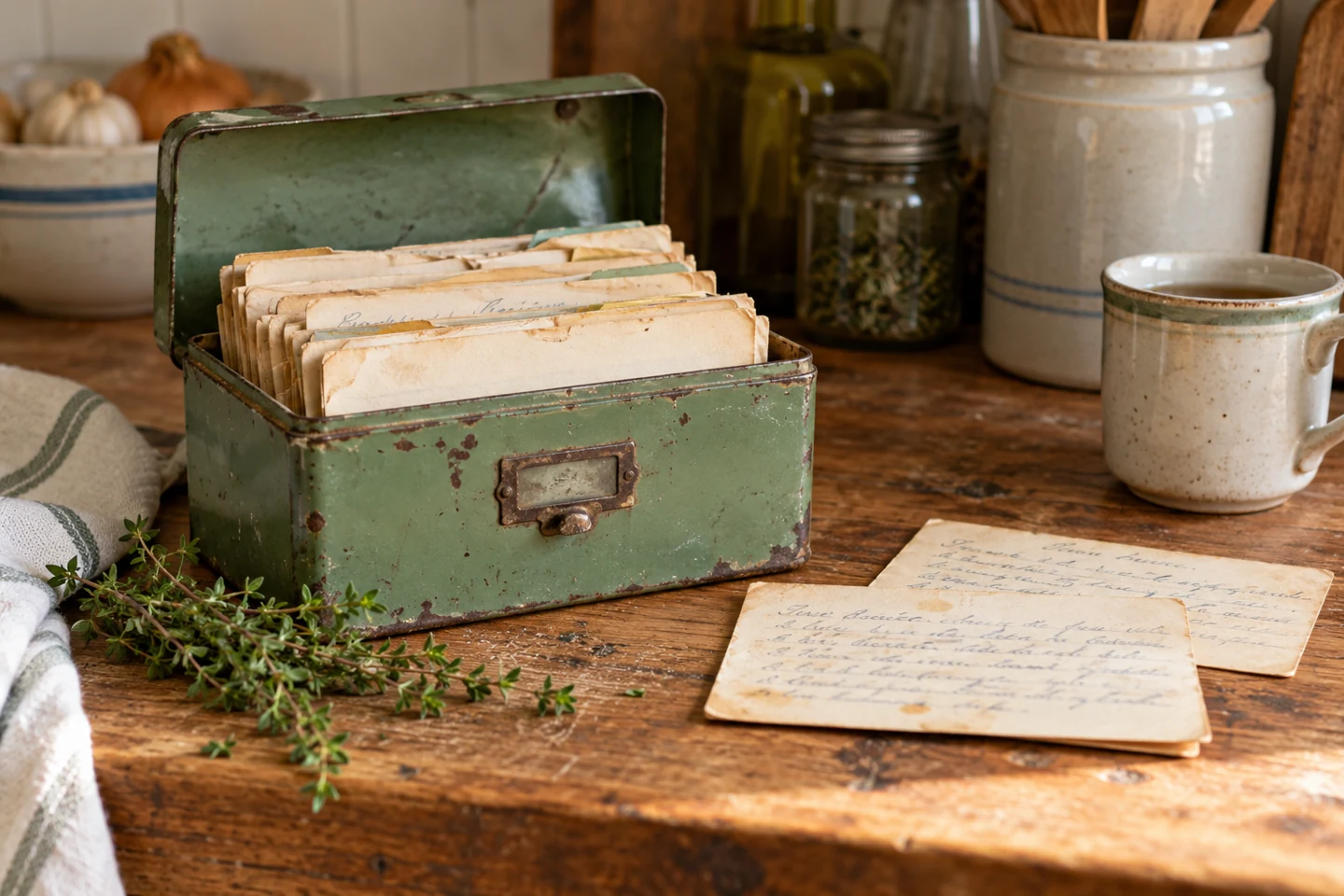
I sat on the pantry floor and read them twice. Those cards cost almost nothing, and they came from a woman who fed a family of six on one paycheck, with no pharmacy in the next room and a budget to keep.
I'm not going to tell you my grandmother cured anything. I don't know that. What I thought was: what if I stopped buying answers and started checking the old ones?
The 3-Question Test
I bought a stack of yellow legal pads at the drugstore for $4.29, the kind with the red margin line. The first page just said WHAT IS IN THE BOTTLE?? and I'd underlined it twice. Three or four nights a week, from about 9:30 until midnight, I sat at the kitchen table with PubMed open on one side and a pot of tea on the other, and I put every herb, old or new, through the same three questions:

Was it actually tested? On whom, for how long, and in what form: a tea, a tablet or a lab-made extract?
Can I make it at home? Which part of the plant, which form, and what amounts?
What could go wrong? Who should avoid it, what does it interact with, and when do I stop and ask a professional?
I read the clinical trials. Then I read the safety guidance: the European Medicines Agency's herbal assessments and the NIH's National Center for Complementary and Integrative Health. By the time I stopped, I had filled eleven legal pads.
Get The Self-Reliant Herbal PantryWhat happened when I tested the tradition
Here's the part I didn't expect. Some of the answers were disappointing.
CASE FILE 1: CINNAMON
I'd bought it three times: in capsules, in a tin, in a tub of “cinnamon complex.” The trial I found followed 25 postmenopausal women with type 2 diabetes for six weeks. They took 1.5 grams of cassia cinnamon a day. There was no improvement. I'd been shaking a teaspoon of it onto my oatmeal every morning like it was a prescription. I said out loud, to an empty kitchen, “So what have I been paying for?” (Other studies were mixed, and there's a real difference between Ceylon and cassia. It's all in the book.)
CASE FILE 2: RED YEAST RICE
A friend swore by it. I found that some extracts contain a substance chemically identical to a prescription statin, in amounts that vary widely, and some may contain a contaminant that harms the kidneys. A food tradition can't tell you the strength or purity of a capsule.
I almost quit. The honest answer to most of my questions was “it depends.” But “it depends” turned out to be the most useful answer I got, because it came with the part that depended: which form, which amount, and which person should skip it.
Some are well tested, some are early, some are tradition, and a few are risky. And you can know which is which.
What my kitchen looks like now
I emptied the drawer into a trash bag, all eleven bottles and boxes. It felt like exhaling.
On the second pantry shelf I now keep eight glass jars with masking-tape labels in my own handwriting: Evening. Cold weather. After dinner. Morning, but not coffee. On Sunday afternoons around two, with the kettle going and a cookie sheet to catch the spills, I mix a ten-bag batch of whatever we'll want for the week, fill the tea bags at the counter, and write the date on the jar. When my husband's throat is scratchy or my stomach is off, I open the notebook before I open my wallet, and when it needs a professional, I walk in with better questions.
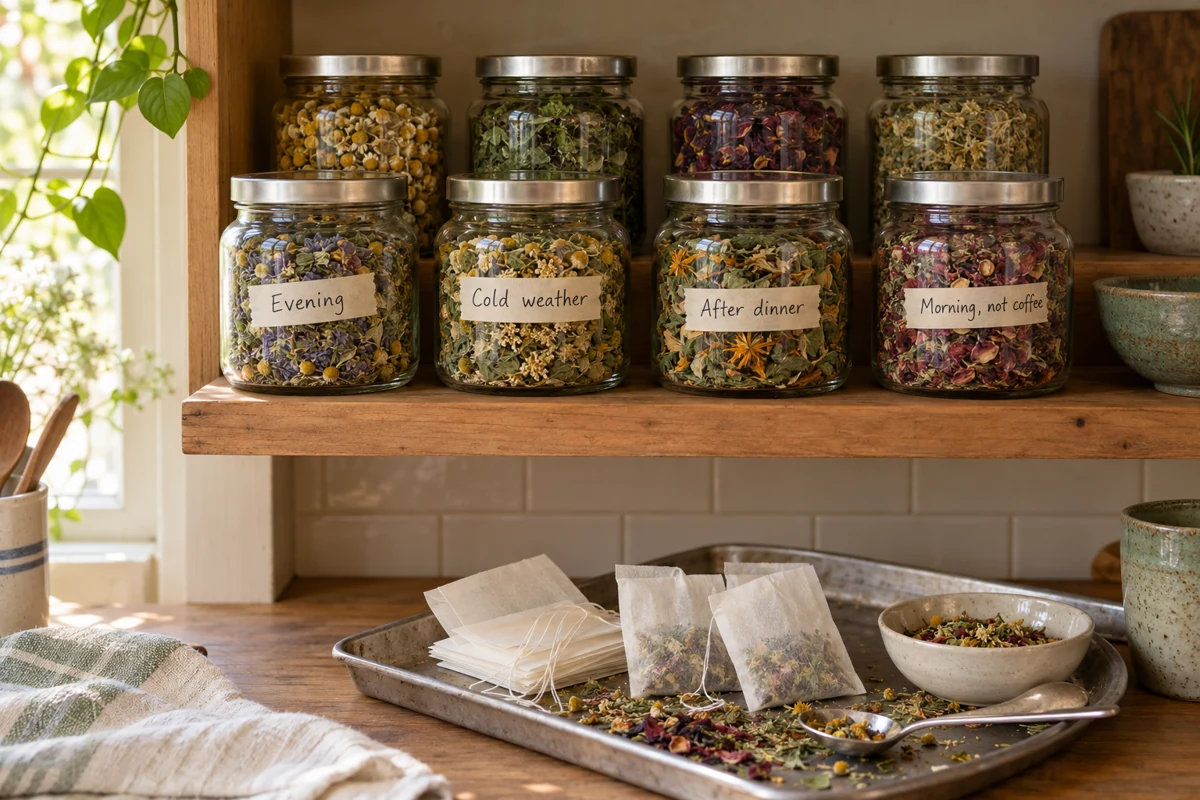
I'm not going to tell you it fixed my afternoons. I'll tell you this: I stopped walking to the garage fridge on autopilot, because for the first time I had a plan that wasn't a can. I still drink one cup of coffee in the morning. I just stopped needing it to run my whole day.
So I put it all in one place
The Home Prepper has always been about being ready: food, water, power. One day I realized I'd prepared for almost everything except the thing I reached for when my husband came home with a scratchy throat or I woke up with a stomach that was off. I didn't know what was in my own cupboard.
So I took the legal pads, the recipe box and eleven bottles' worth of lessons, and I built the guide I wish someone had handed me at the kitchen table.
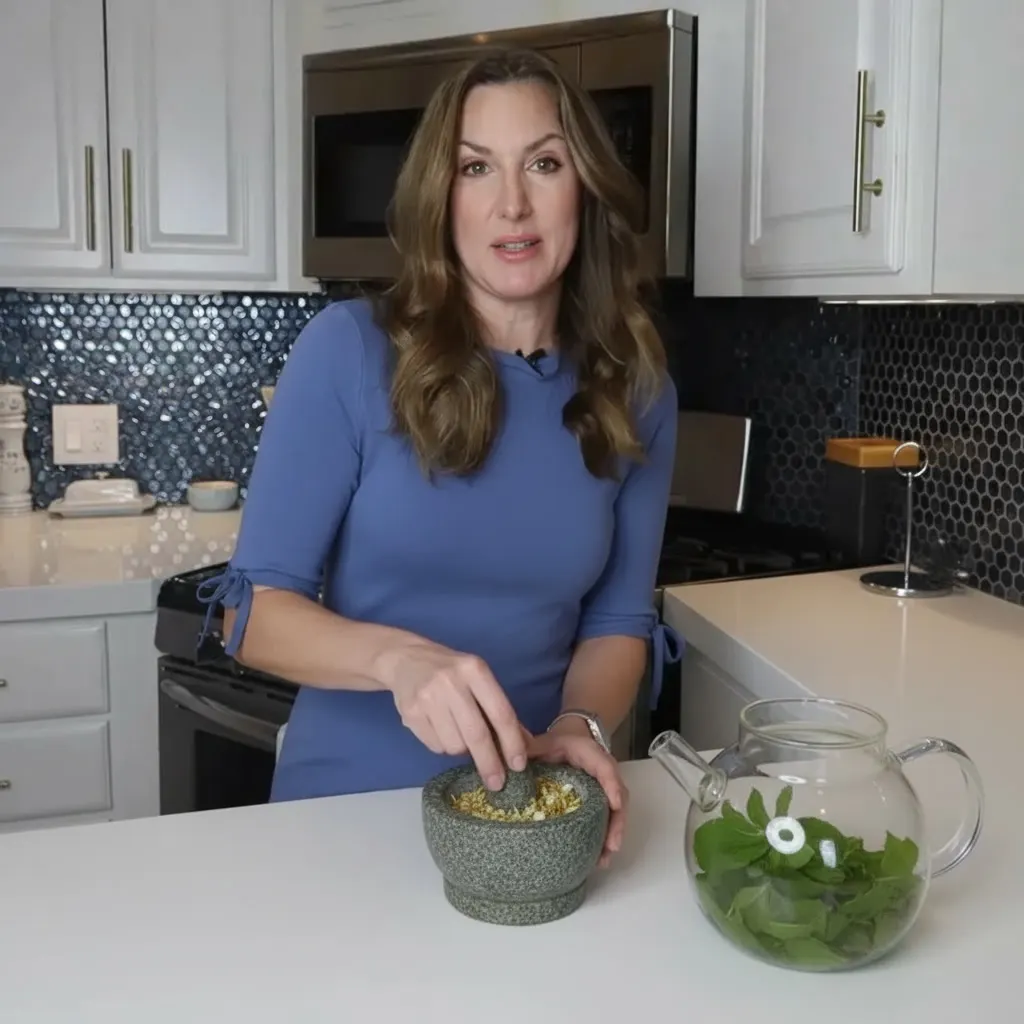
The Self-Reliant Herbal Pantry is three guides, built on those three questions:
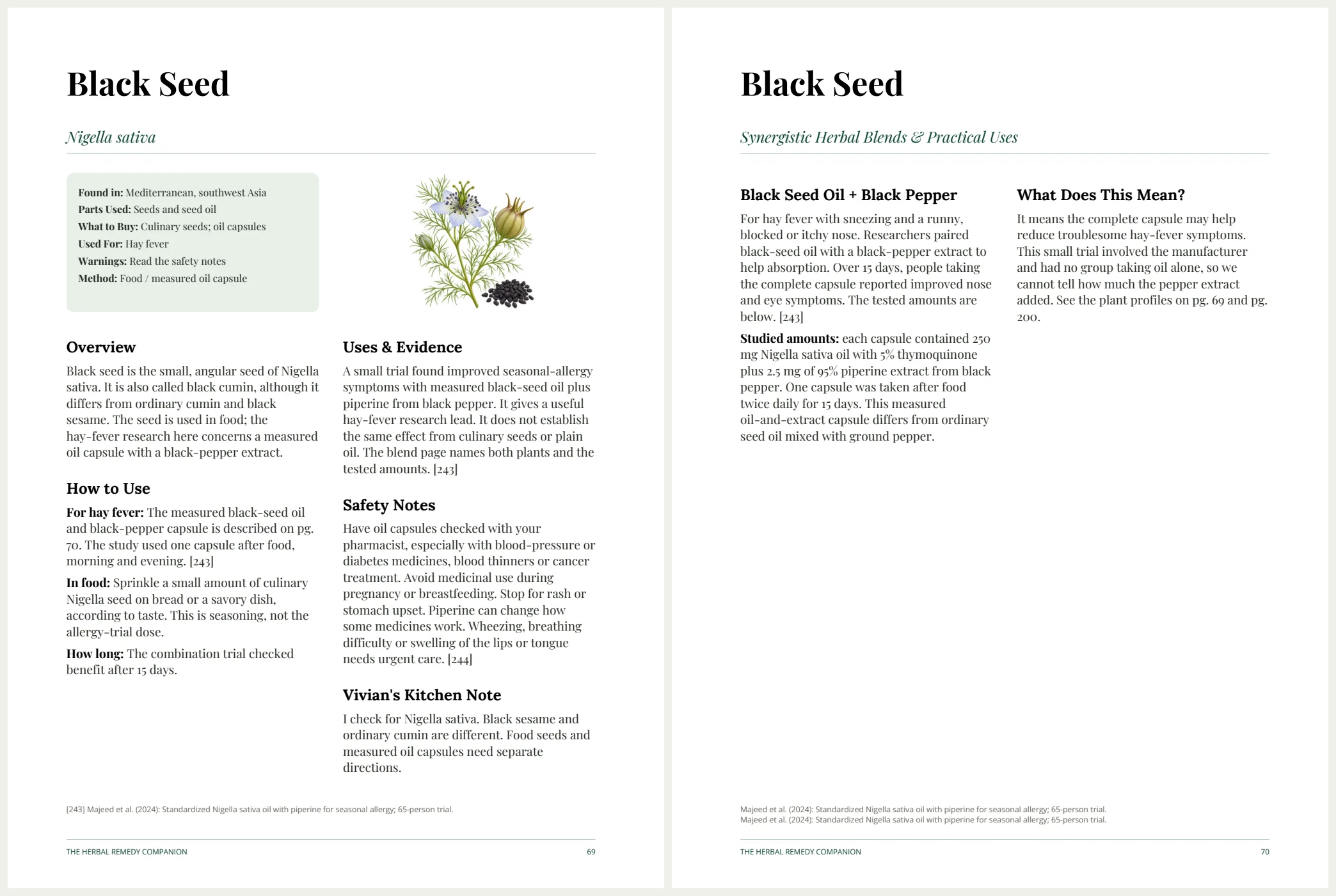
- The Herbal Remedy Companion: 158 herb profiles (more than the 100 mentioned in the video) and 49 synergistic combinations.
- The Herbal Tea Apothecary: more than 50 herbal tea blends, many written as ten-bag batches you mix once and brew one cup at a time.
- Cooking with Herbs for Health: 73 simple, delicious recipes, from a Cinnamon Keto Porridge to weeknight dinners that put pantry herbs to work.
“But will this work for someone like me?”
I've heard every version of this. Here are the four I hear most.
“I thought herbs were just folklore.” Some are. That's why every profile tells you which kind of evidence you're looking at: solid research, early or lab-only findings, or tradition. You'll always know.
“I've never made a remedy in my life.” Neither had I, past a pot of tea. Every recipe has clear steps and measured amounts in spoons and grams. If you can make a pot of tea, you can make a ten-bag batch.
“What if it interacts with my medication?” Then you need to know before you start, not after. Every profile has a Safety Notes box, and the guide tells you to keep prescribed treatment in place unless your clinician changes it.
“Where do I even buy dried mullein?” Many are pantry and grocery staples. For the rest, the guides tell you which part of the plant to buy and what to look for on the label, so you never end up with a “Hibiscus Berry” box that's mostly apple.
Four things from the video, and the full story behind each
Gotu kola: get to know the plant
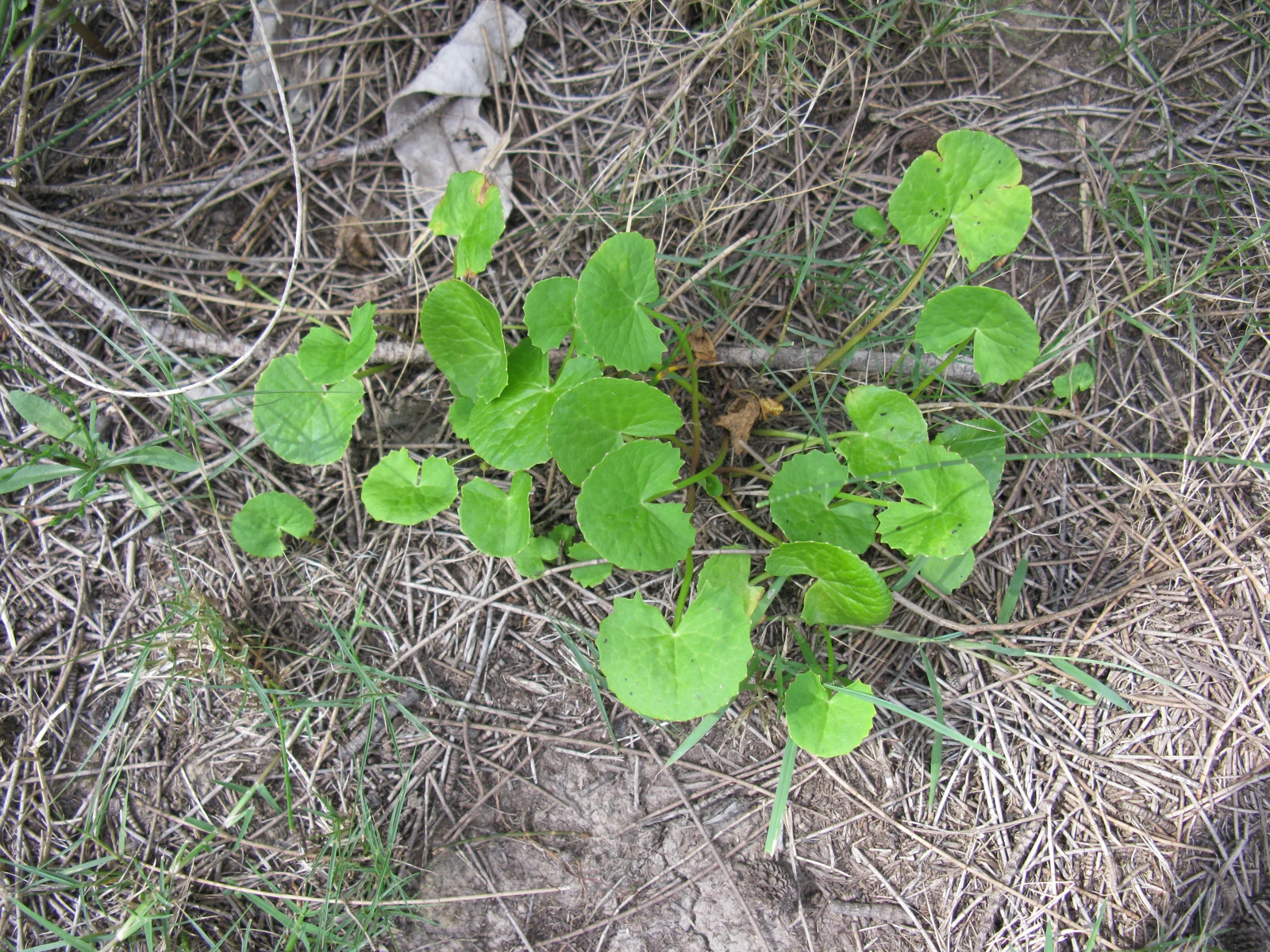
Gotu kola is a creeping plant with rounded leaves and a long history in herbal traditions. In the guide, you’ll find its uses, the research and the directions together. I’ll show you which part to look for, how it is used and what to check before you try it, so you can get to know the herb before adding it to your routine.
Mullein: from the recipe box
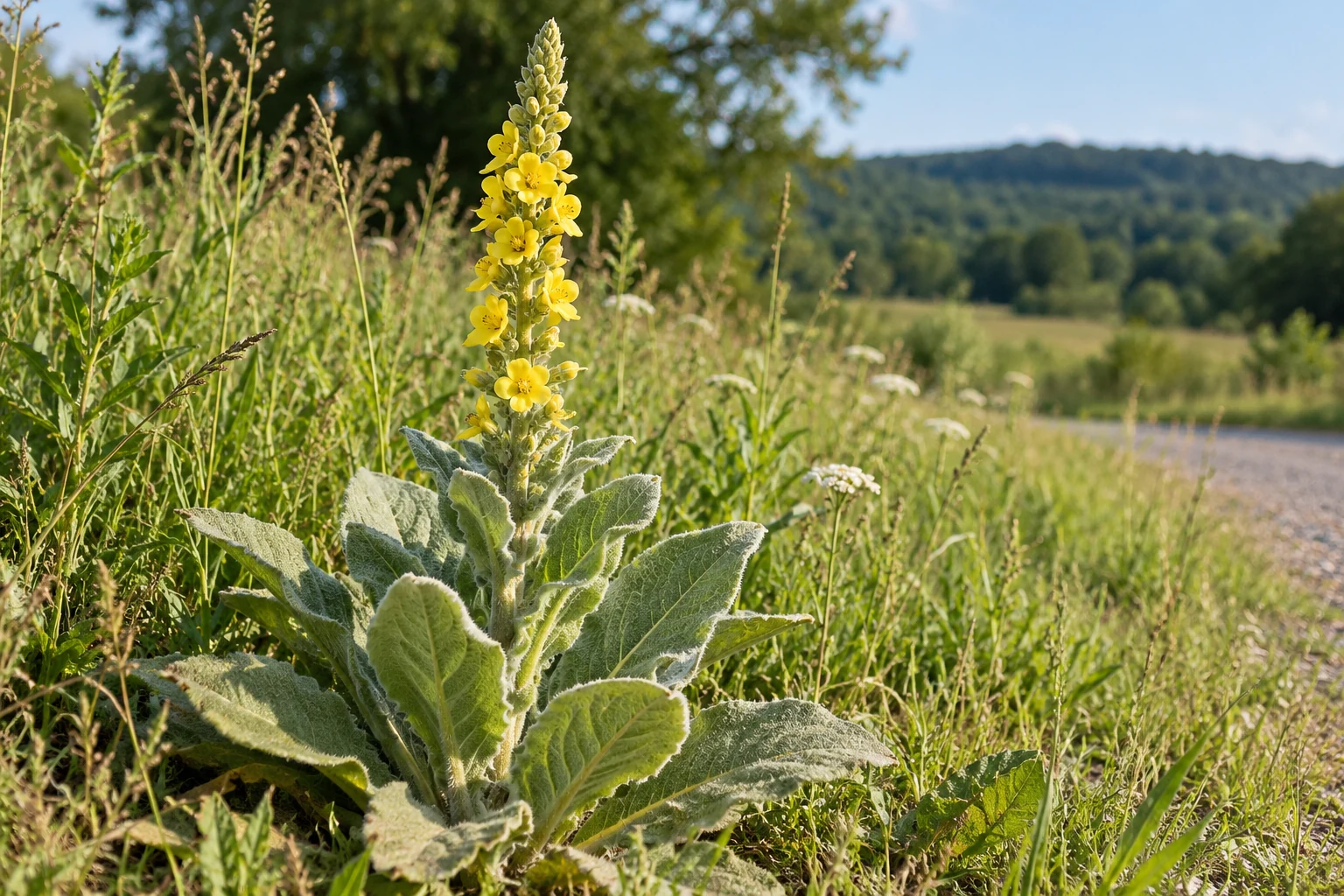
In the video I called mullein gentle and trusted for centuries, and that part holds up. It's also the plant on my grandmother's third card: tall, soft-leaved, common across North America and often growing right by the road. Its yellow flowers have a traditional use for an irritated throat and the dry cough that comes with a cold. And her warning was right: the fine filter really does matter. I'd stop short of promising it strengthens your lungs, because the traditional use is for a dry cough and sore throat with a cold. The guide tells you which part to use and how to keep the tea smooth.
Cinnamon porridge: what cinnamon is actually for
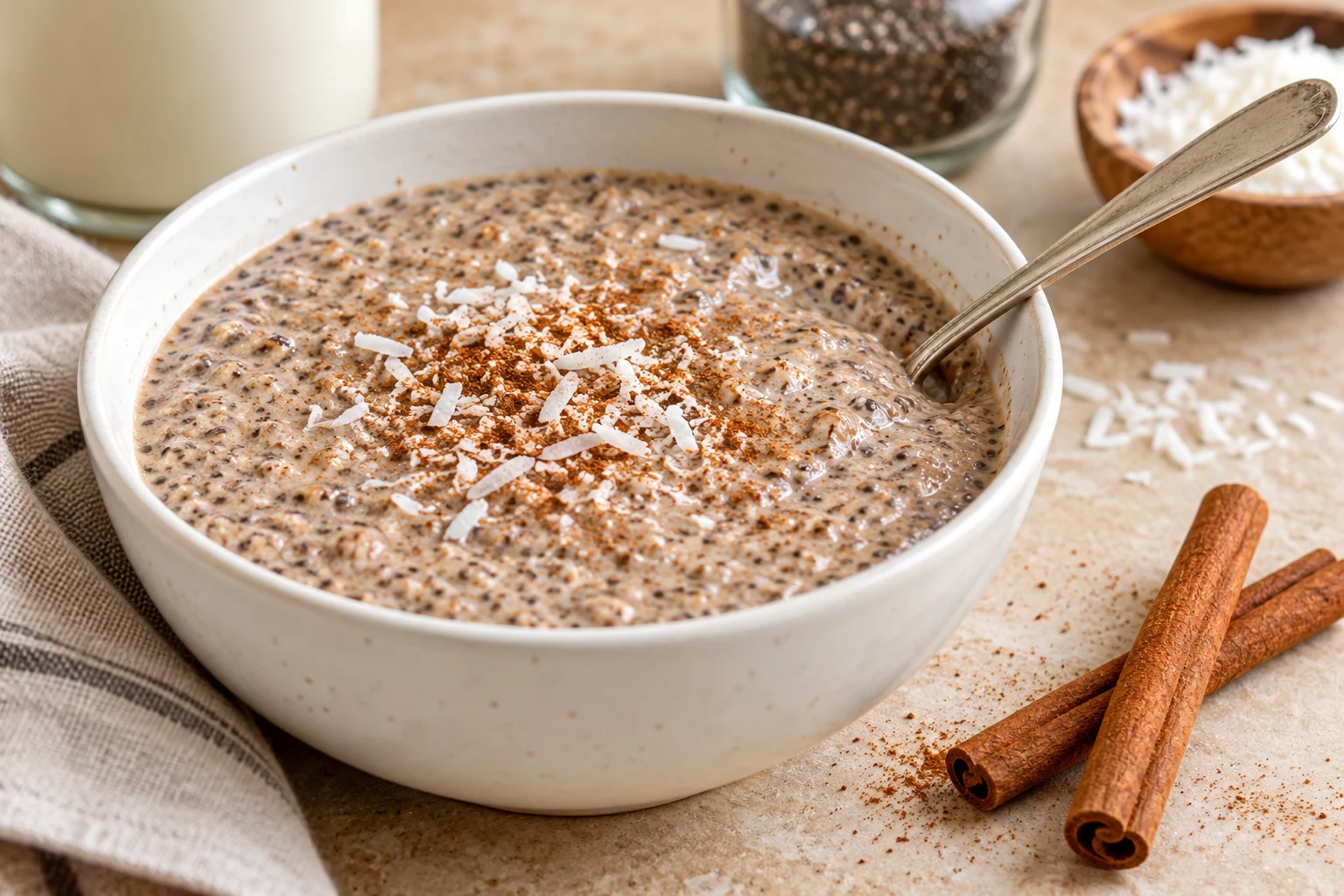
In the video I called cinnamon a spice proven to balance blood sugar. After my own research, I'd put it more carefully: the evidence is mixed. So I stopped asking cinnamon to be a miracle and started using it for what it's good at: breakfast. A Cinnamon Keto Porridge built on healthy fats, fiber and warm spice keeps me out of the pantry an hour after I eat. It's delicious, filling and cheap, and it doesn't need a miracle claim.
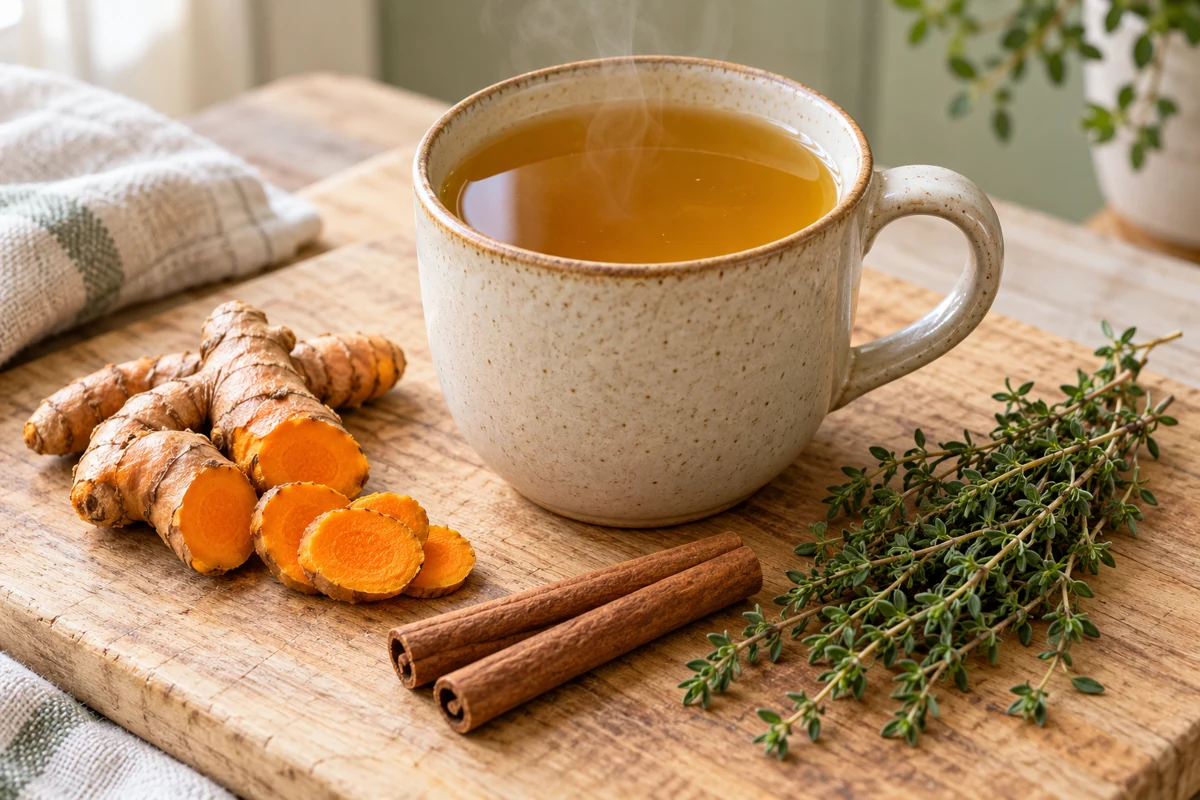
Golden Shield tea: turmeric, thyme and cinnamon
In the video I said it reduces inflammation and boosts immunity. What I can honestly say is that turmeric, thyme and cinnamon all have long traditional use, and I mix this warming blend by the batch because it's a good pantry tea, not because a trial promised a result. Ever wonder why turmeric and cinnamon show up in so many supplements? Because they were pantry staples long before they were capsules.
Start with what's bothering you
Pick a problem, and here's one way the guides can help: which preparation to choose, what you'll make or use, and what the research actually found. Eight places to start.
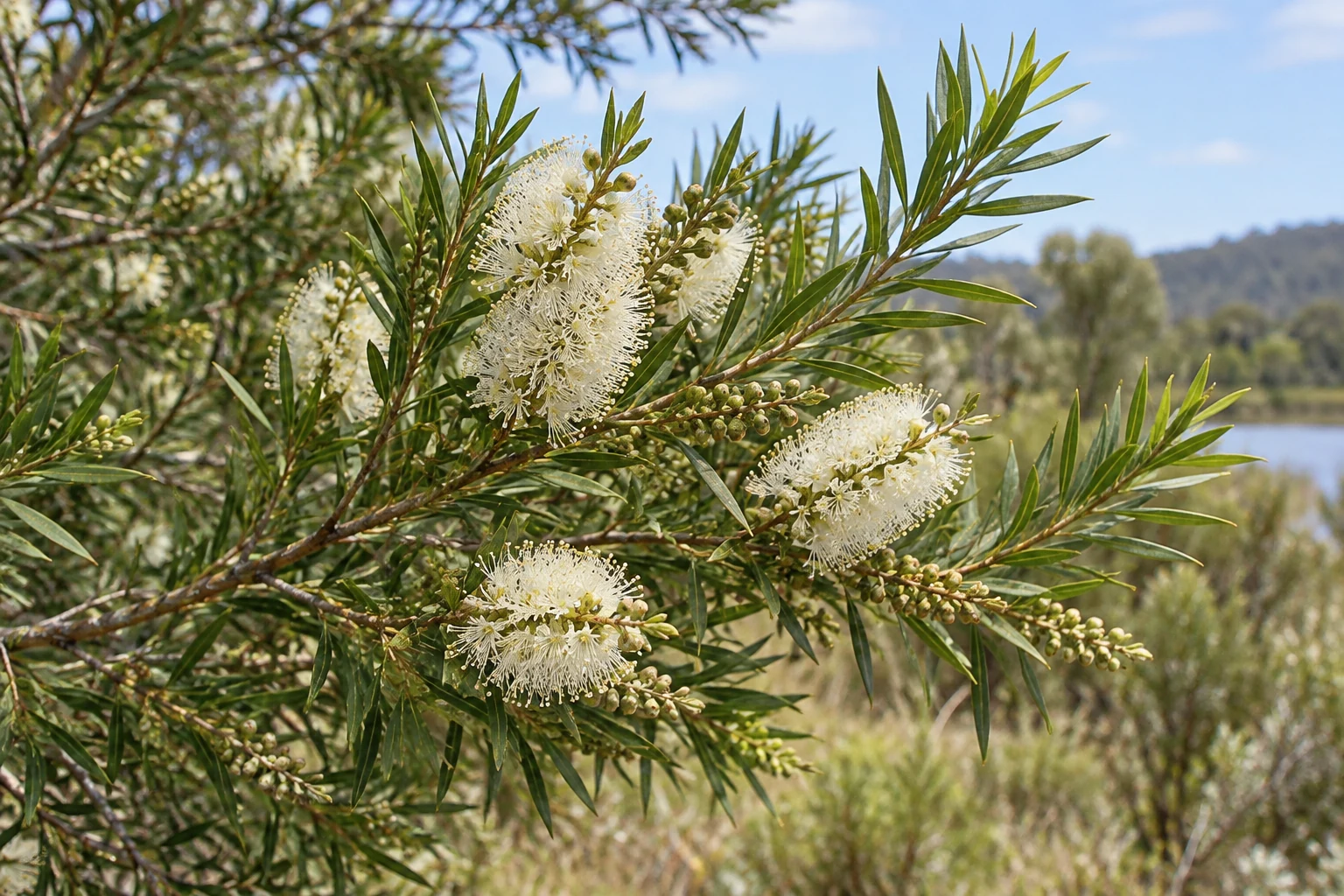
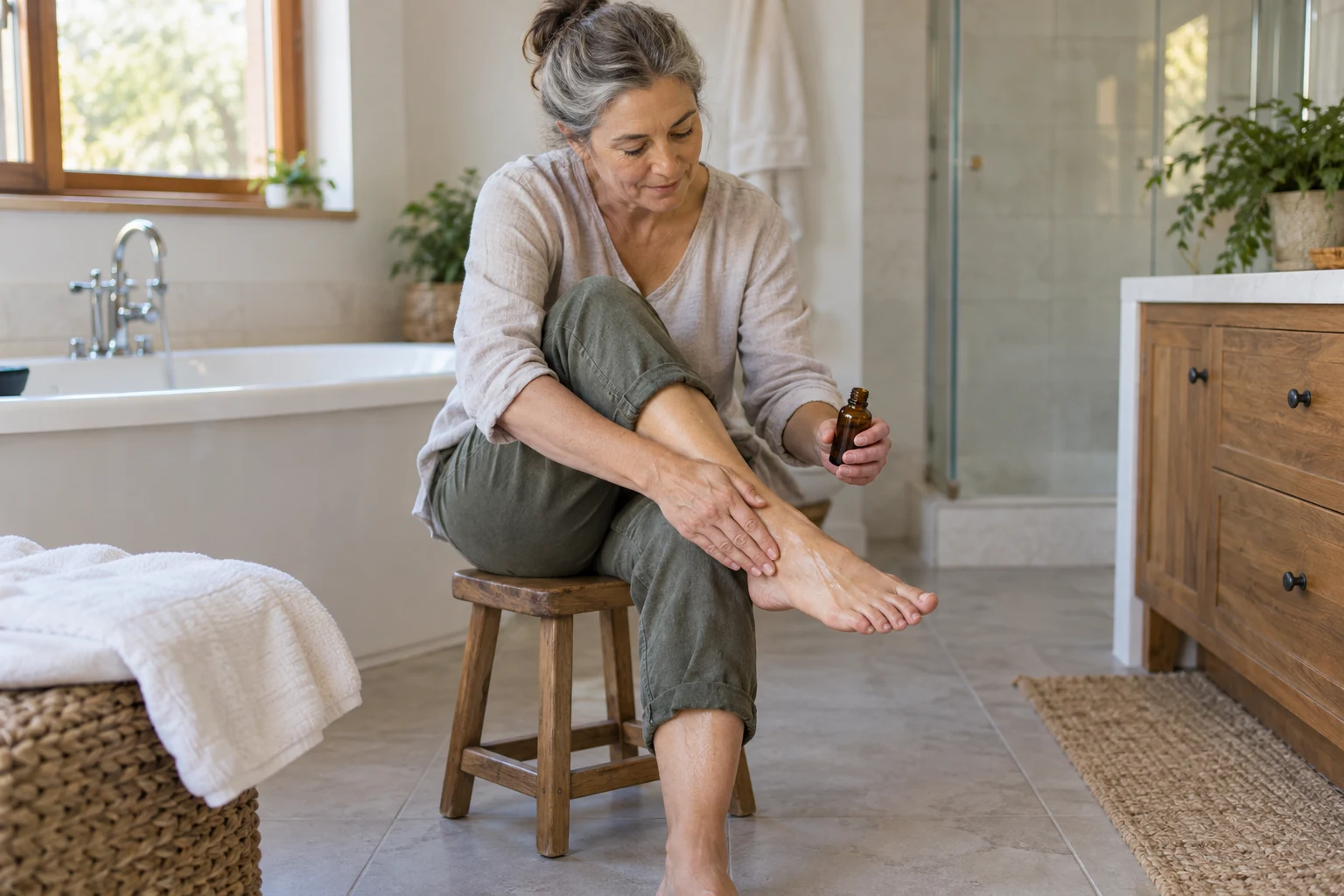
Athlete's foot: mix your own foot oil
FOR ITCHING AND IRRITATION BETWEEN THE TOES
Tea tree oil has a long history of easing itching and irritation in mild athlete's foot. In a four-week study, symptoms improved more with tea-tree solutions than with a comparison solution. The catch: strength matters, and the neat oil can burn.
What you'll make: a two-ingredient blend of tea-tree oil and jojoba oil, with the exact amounts, the mixing steps and the small-area test. We'll also tell you straight that you may still need an antifungal medicine to clear the infection.
Weight loss: before you buy another bottle, read this
FOR ANYONE WHO HAS SEEN “FORSKOLIN” ON A LABEL
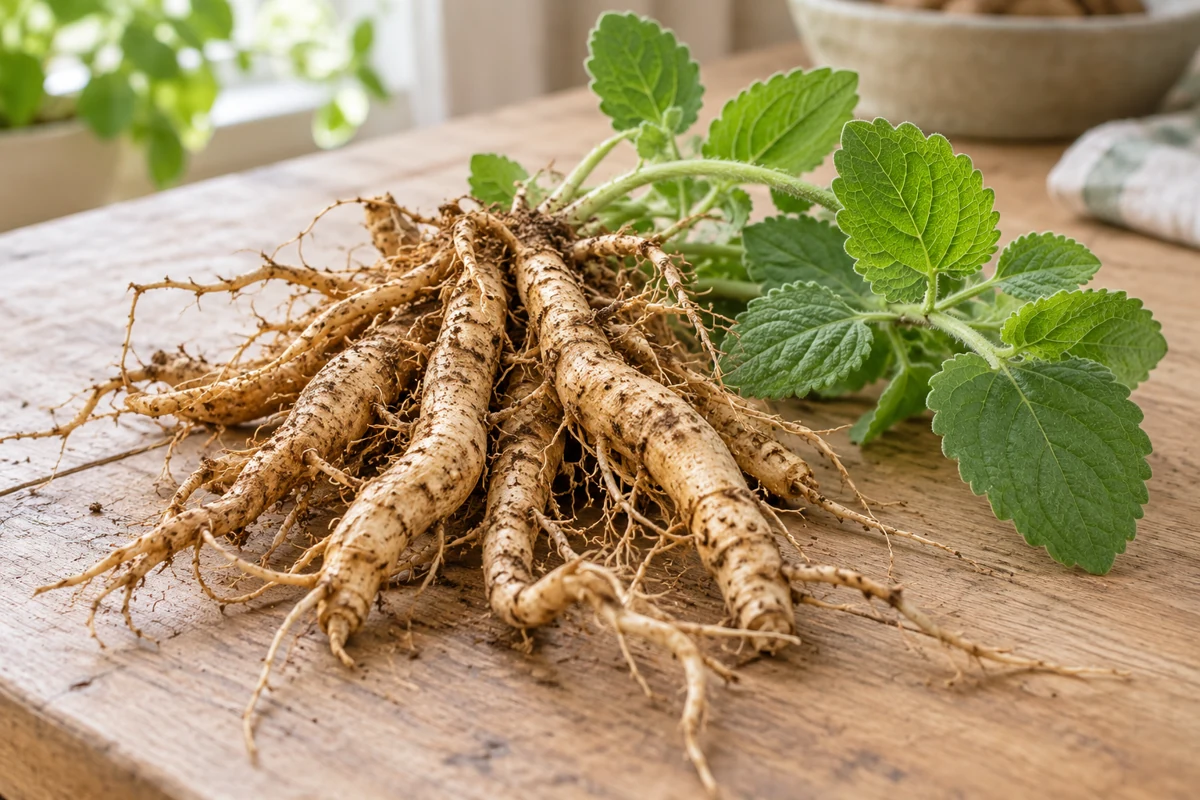
The weight-loss aisle runs on big promises. So we looked at what was actually tested: forskolin-rich coleus root extracts, in a 12-week study of 30 overweight or obese men. Body-fat measures improved, but body weight didn't clearly drop. The research is mixed, and we won't promise you a number on the scale. Neither should anyone selling you a bottle.
What you'll learn: the medicinal root versus the colorful garden plant, why a tea won't act like a measured extract, and what to ask your clinician first.
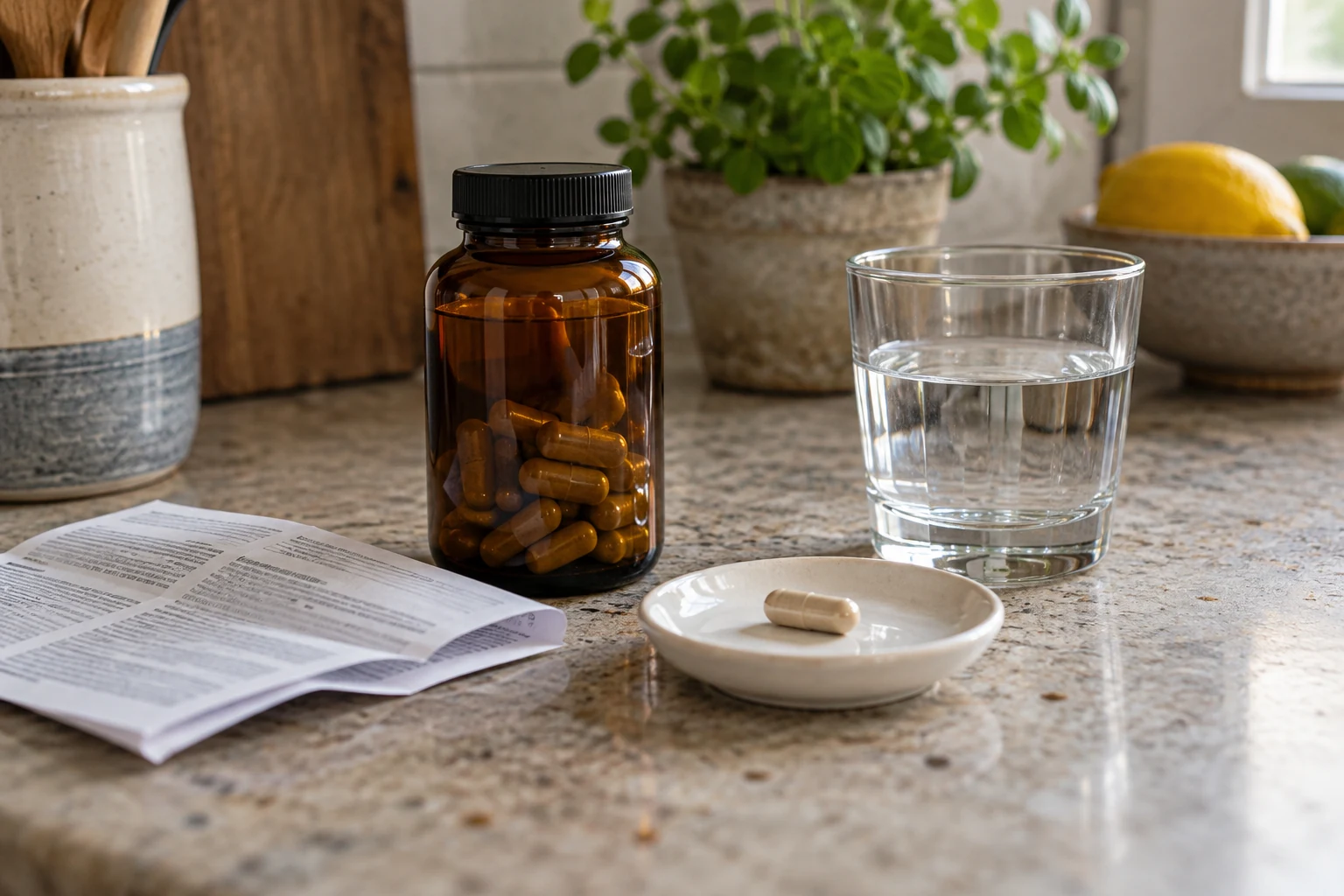
Joint pain and arthritis: what the turmeric-and-boswellia trial really tested
FOR ACHING, STIFF KNEES
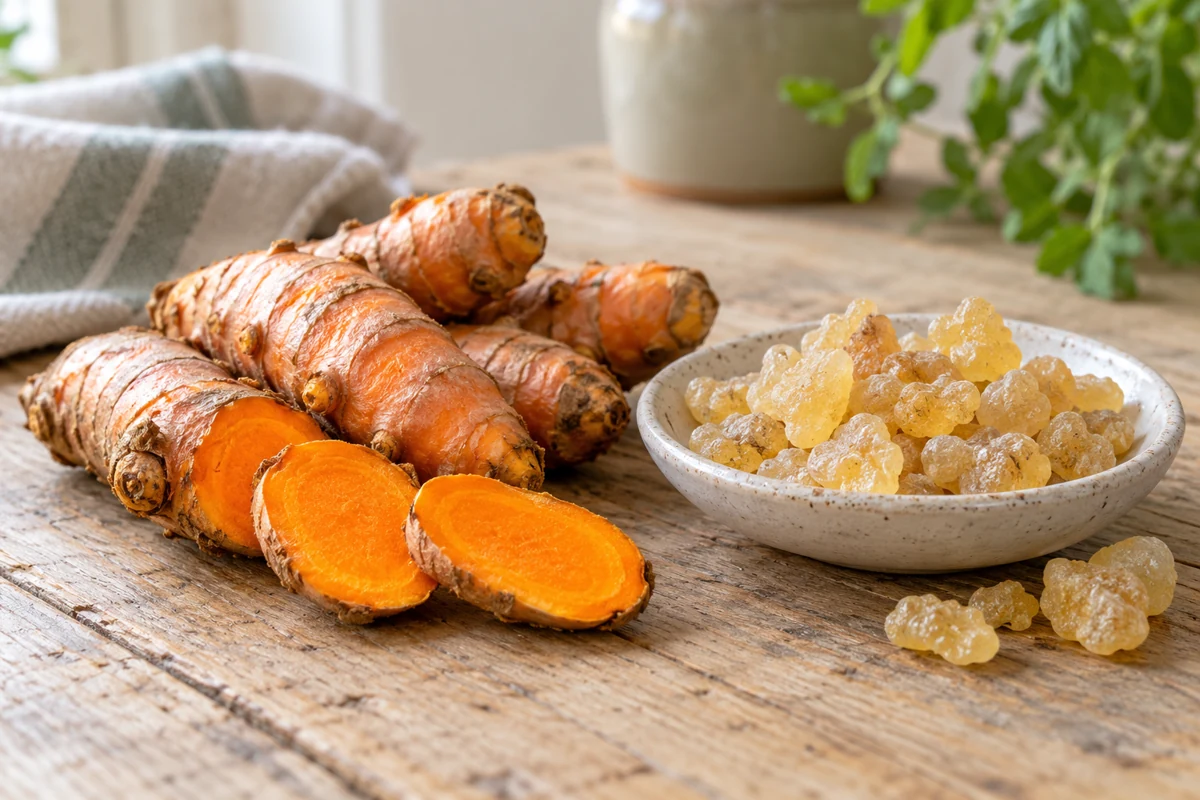
In a 12-week trial of 201 adults, a turmeric-and-boswellia extract blend improved pain and movement measures compared with placebo. It was an extract formula, not the jar in your spice rack.
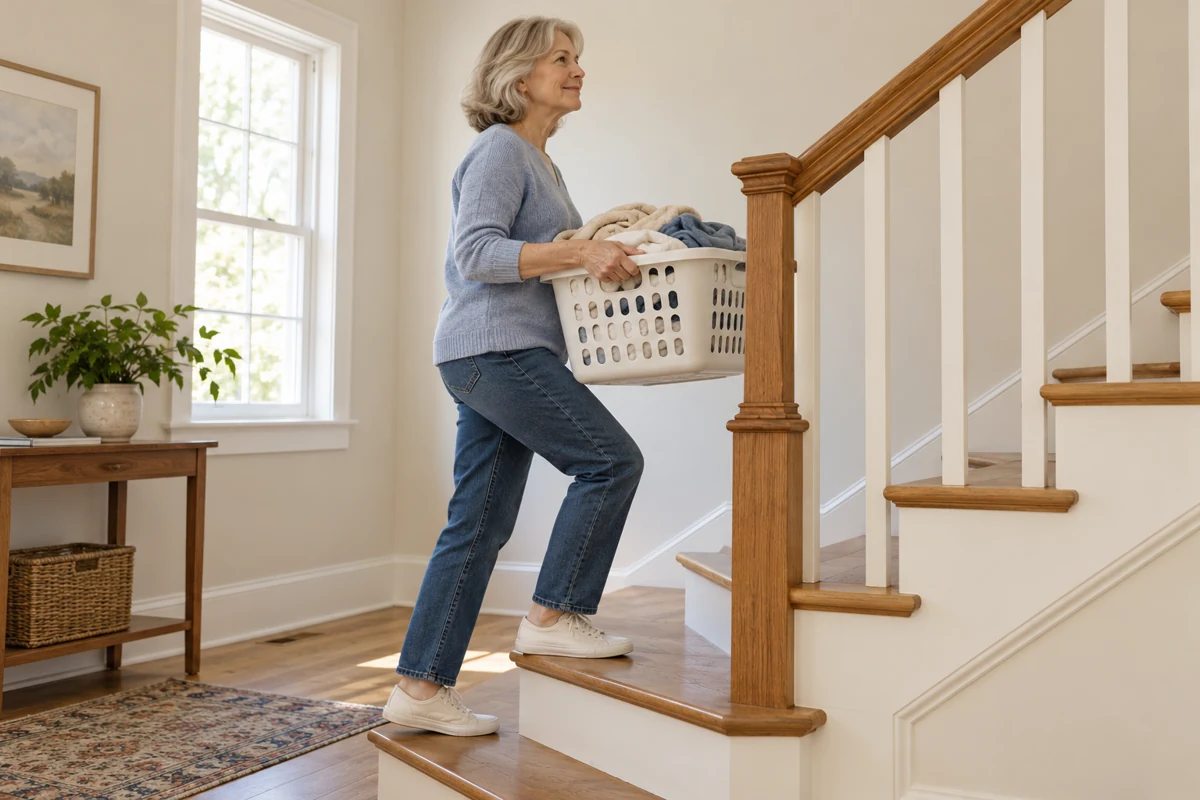
What you'll learn: the forms used in the trial, why culinary turmeric and incense resin are different things, and which medicines to check first. The DIY trick: pick one task, like carrying a basket of laundry up the stairs, and note how it feels each week, so you can judge for yourself. New, severe joint swelling needs a medical check.
Mouth ulcers: a rinse you mix fresh
FOR SMALL MOUTH ULCERS AND MINOR MOUTH IRRITATION
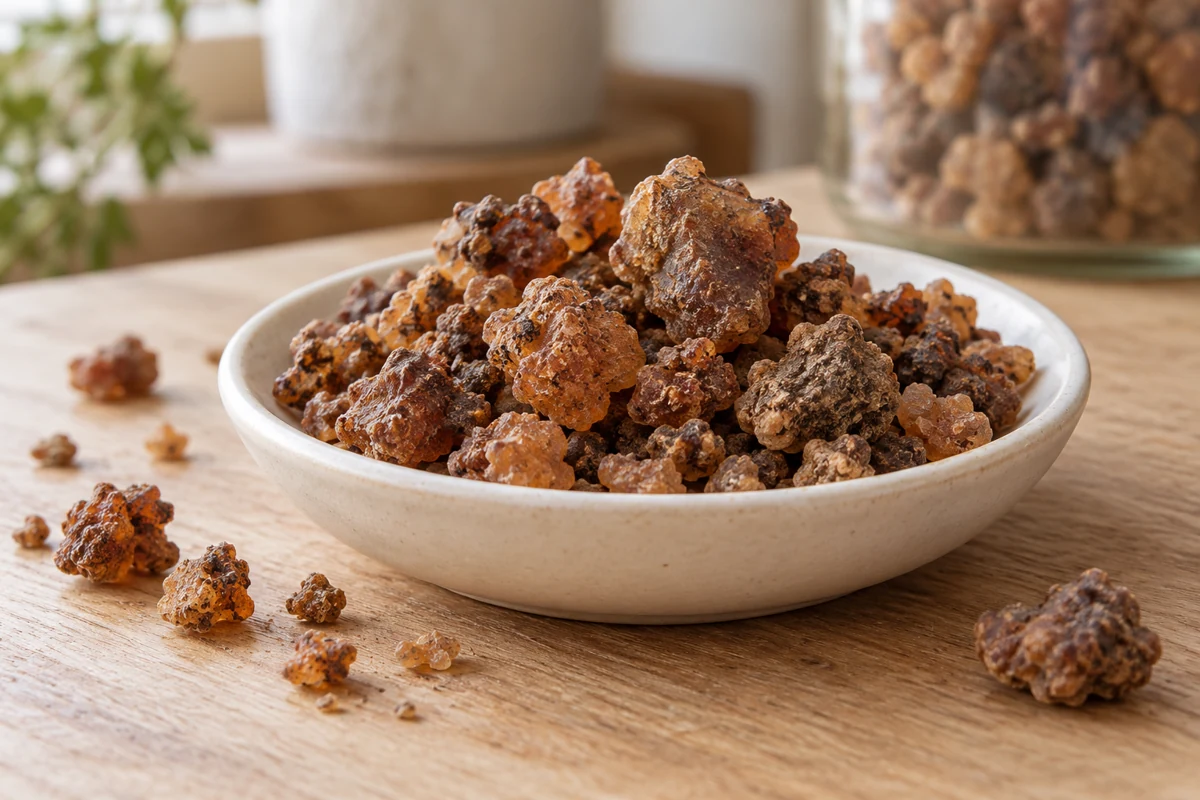
Myrrh tincture has long been used as a rinse, and the European Medicines Agency recognizes this traditional use for small mouth ulcers and minor mouth inflammation. That recognition rests on long use rather than a modern trial.
What you'll make: a fresh, diluted rinse, with the exact amounts. Swish and spit, never swallow. And if a sore lasts over a week, get it checked.
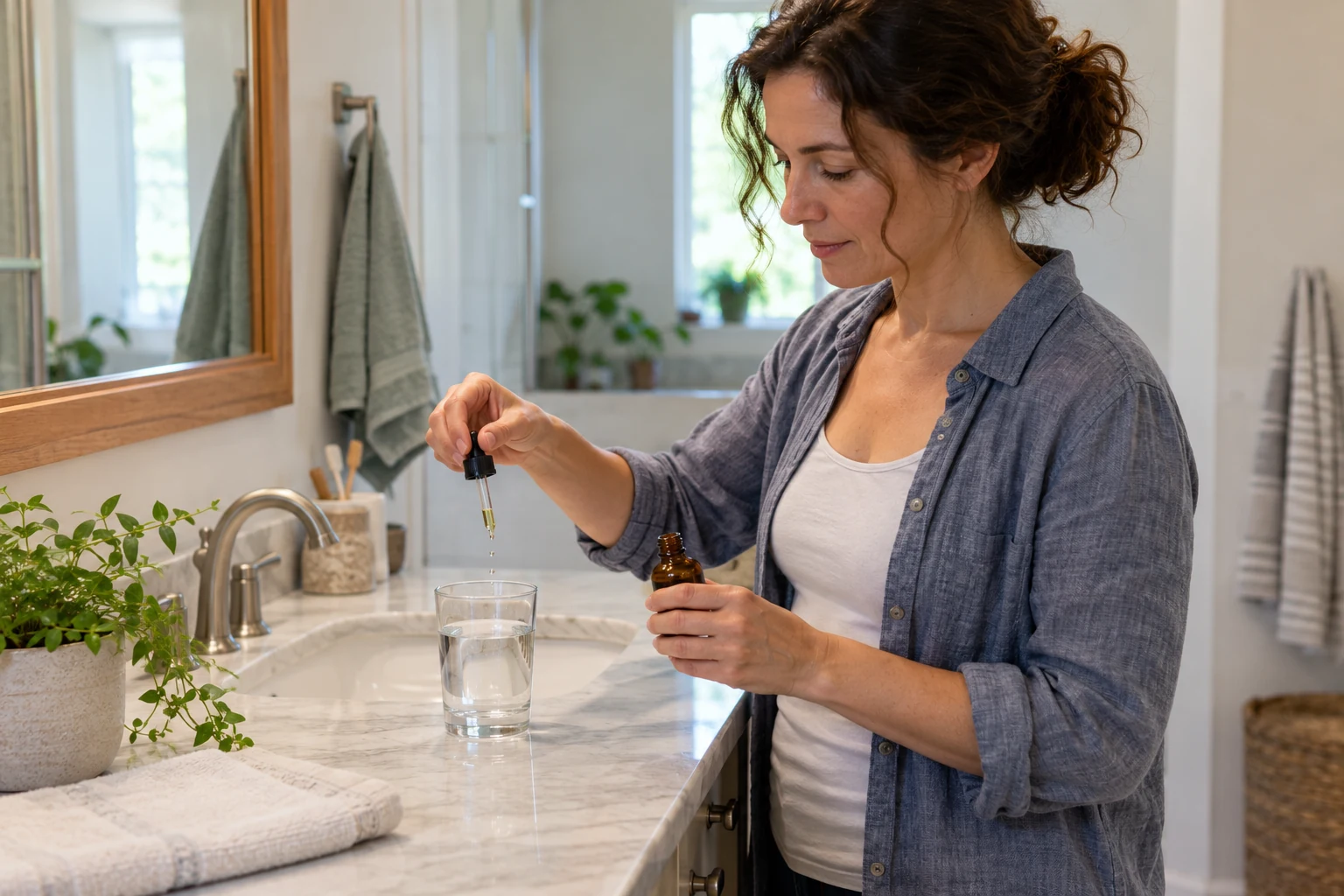
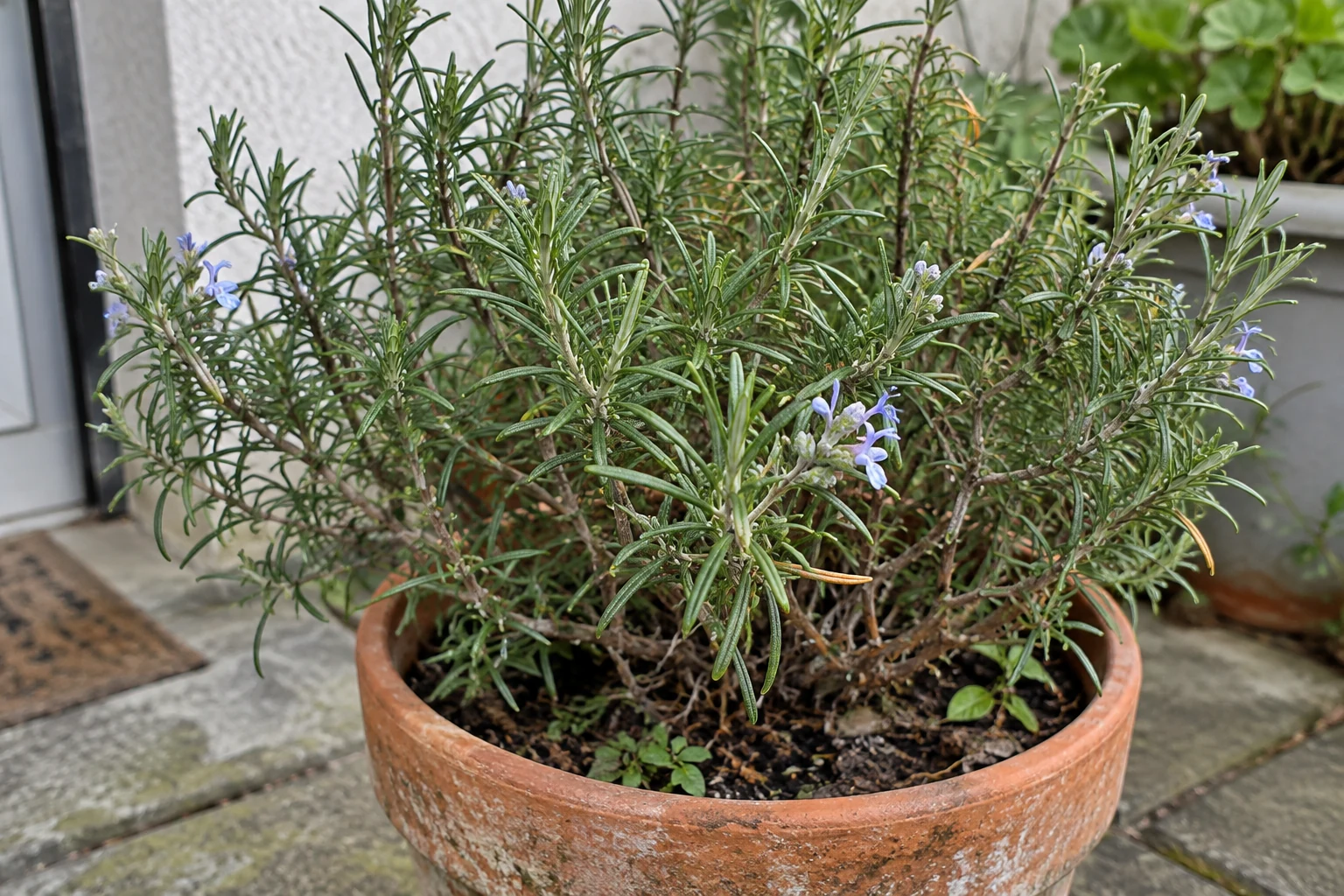
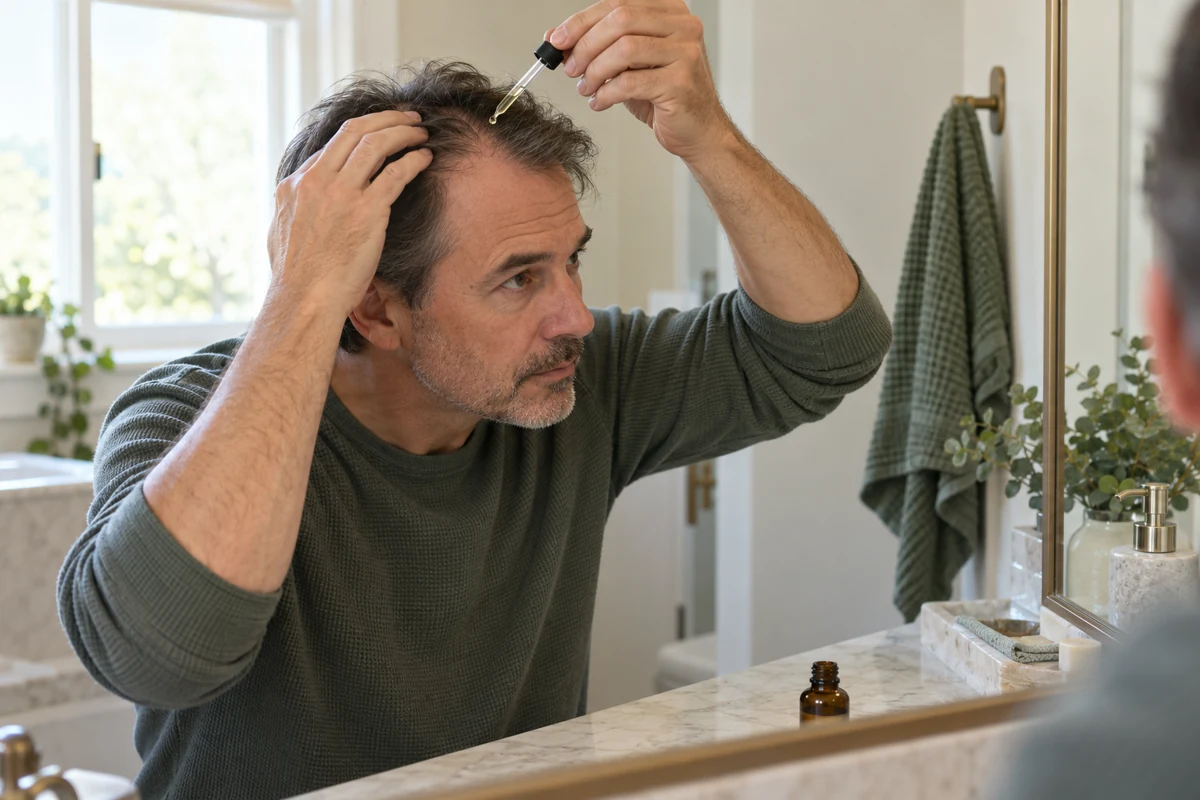
Hair loss: a two-ingredient rosemary scalp oil
FOR GRADUAL PATTERN HAIR THINNING
In a six-month study of 100 men, hair counts increased with rosemary lotion, and the result was not statistically different from 2% minoxidil. There was no untreated group, so this is early evidence, not proof of equal results.
What you'll make: a small bottle of scalp oil from jojoba oil and rosemary essential oil, with measured amounts and a simple routine. Patience required: the study found improvement at six months, not three.
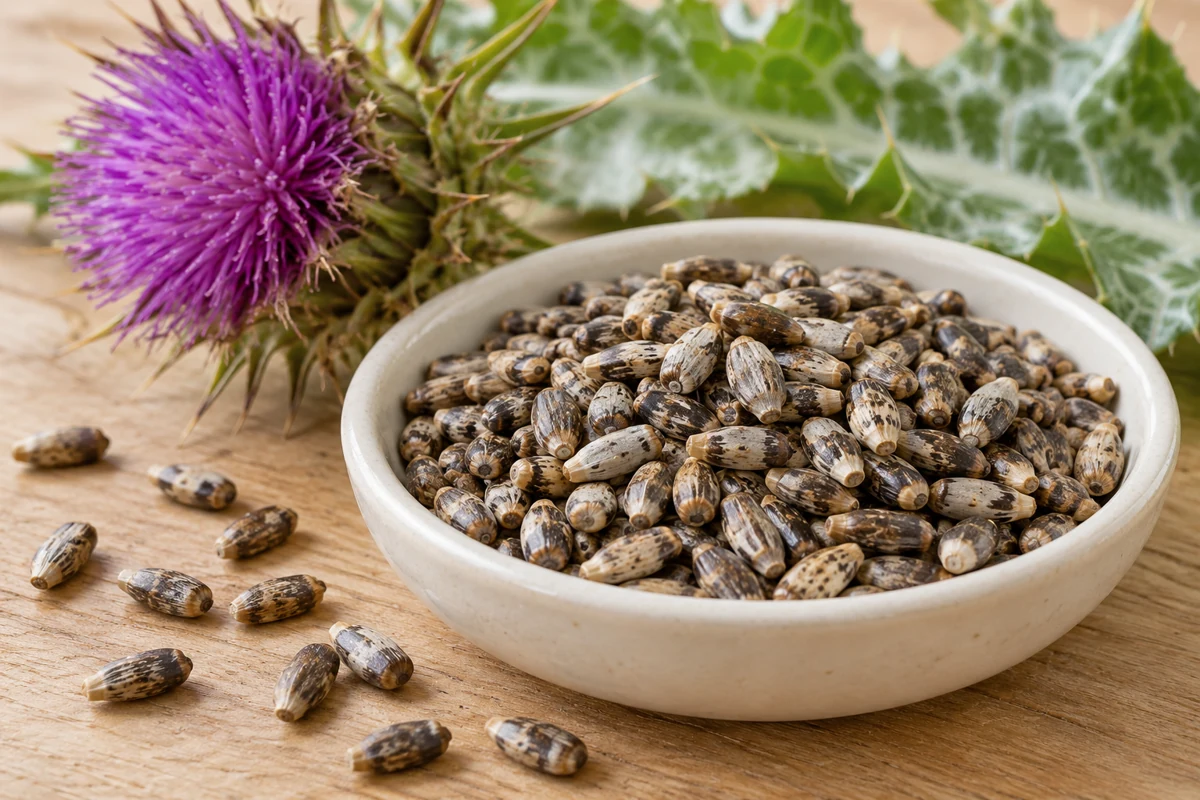
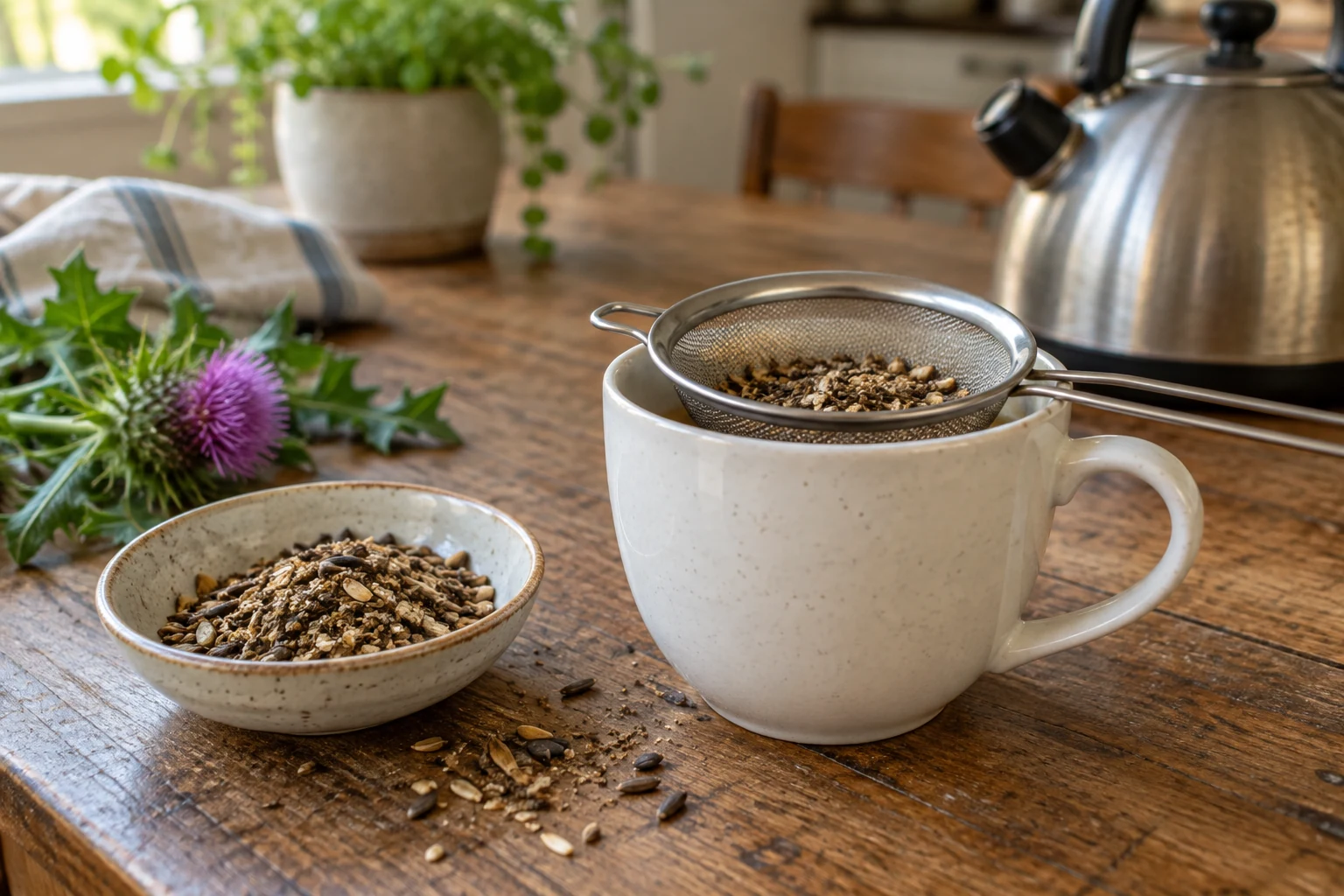
Fatty liver: the supplement everyone mentions, and the studies they skip
BECAUSE “MILK THISTLE” IS THE NAME EVERYONE HEARS
Milk thistle has a liver-care reputation, but the research is mixed. Two NCCIH-funded studies, one in hepatitis C and one in a form of fatty liver disease, found no benefit.
What you'll learn: which part of the plant is used, why a fruit tea and a measured extract aren't interchangeable, and what to ask your clinician. Fatty liver needs medical follow-up, so keep your recommended tests in place, and get prompt attention for yellow skin or eyes, or dark urine.
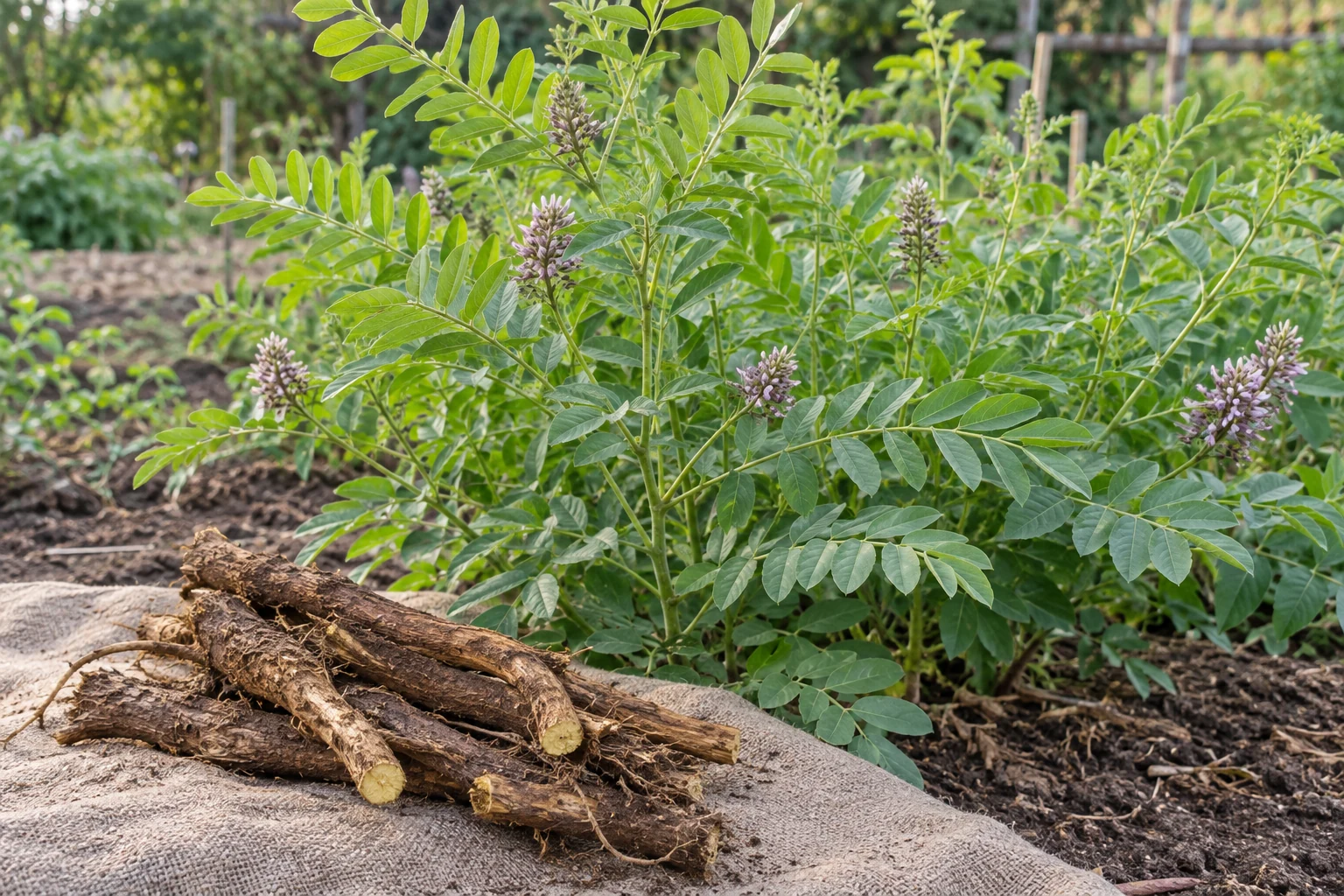
Heartburn and acid reflux: not all licorice is the same
FOR BURNING AFTER MEALS OR ACID COMING BACK UP
DGL is licorice root with much of one troublesome compound removed. In a four-week trial of 200 adults, a defined DGL extract brought less heartburn and acid regurgitation than placebo, with improvement within about two weeks.
What you'll learn: why that DGL is not the same as ordinary licorice root, which can raise blood pressure and lower potassium, and how to compare an exact extract with your pharmacist before you buy.

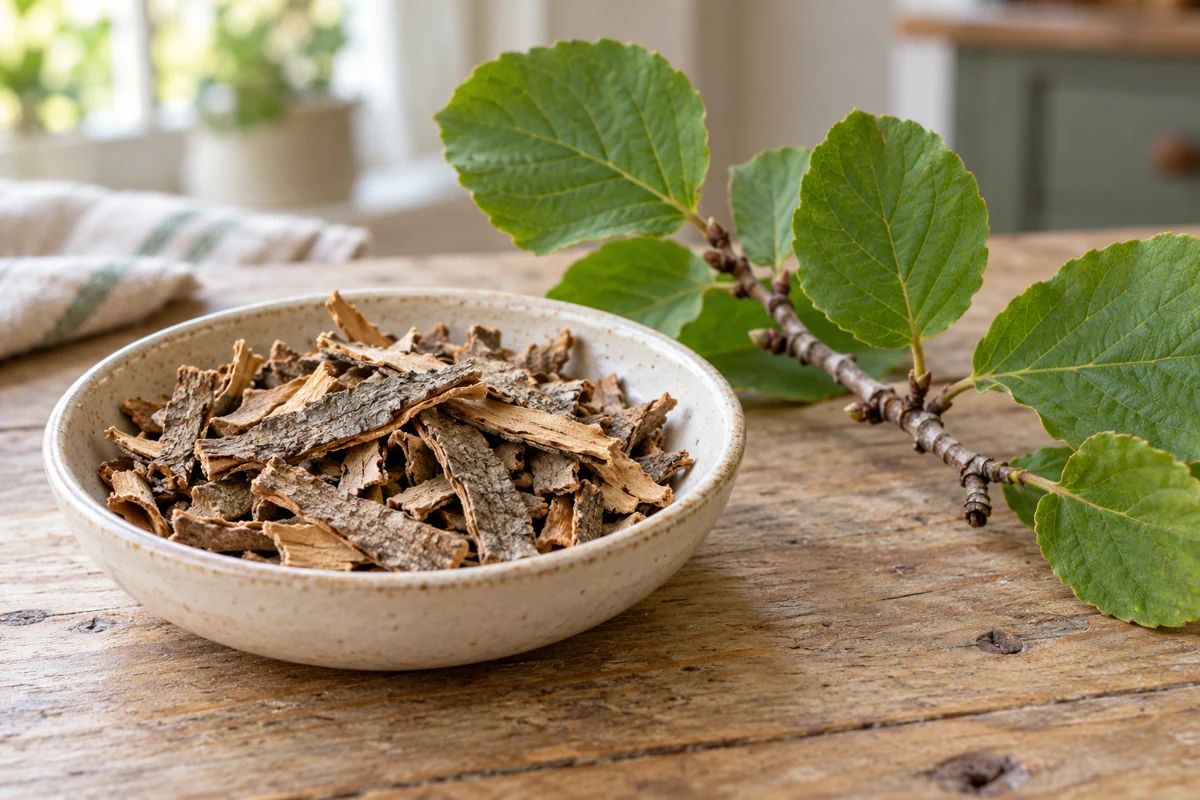
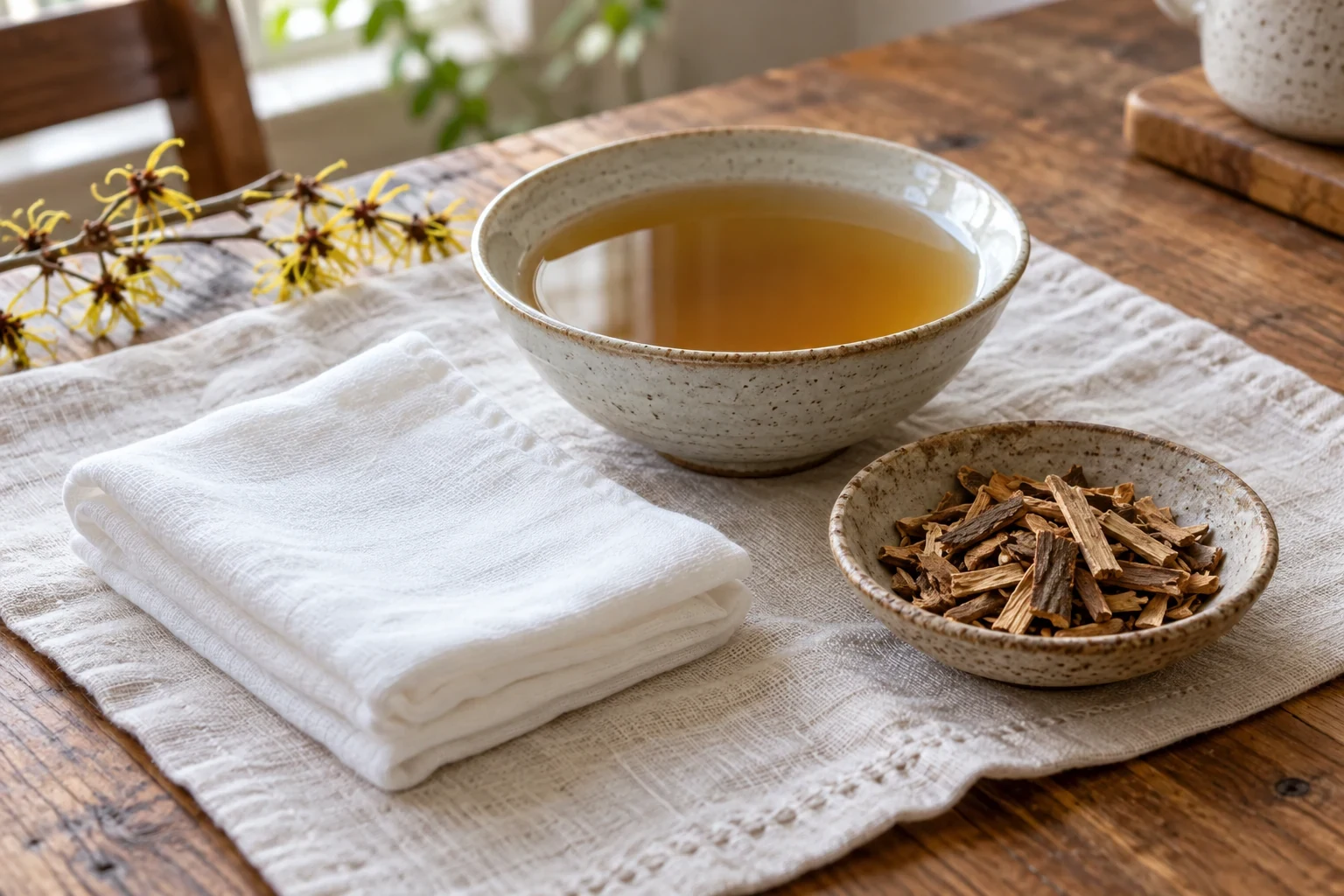
Hemorrhoids and piles: a cool compress from the kitchen
FOR ITCHING AND BURNING ON THE OUTSIDE SKIN
Witch-hazel bark has long been used to ease hemorrhoid itching and burning, and the European Medicines Agency documents this traditional use. It soothes irritated skin, but it doesn't remove the hemorrhoid.
What you'll make: a simmered bark liquid, strained and cooled, for a clean-cloth compress on the outside skin only. Rectal bleeding, severe pain or a new lump needs a check.
That's eight. The Symptom Finder covers 70 health problems, so there are 62 more.
These are a few examples. The guides have the full preparation instructions, measured amounts and safety notes.
Get The Self-Reliant Herbal PantryHere's what you'll discover inside
- Why “Hibiscus Berry” on a box can mean mostly apple, and how to read an ingredient list like a pro
- The one question that exposes a “proprietary blend” in ten seconds
- How to get to know an herb before you buy: which part to look for, how it is used and what the research can tell you
- The evidence label on every remedy, so you know which have research behind them and which have history
- The ten-bag Sunday method that turns one small herb purchase into a stack of ready tea bags
- What the cinnamon trial found, and the breakfast cinnamon is genuinely good for
- Exactly what to ask your pharmacist before you start any herb
Here's everything you get
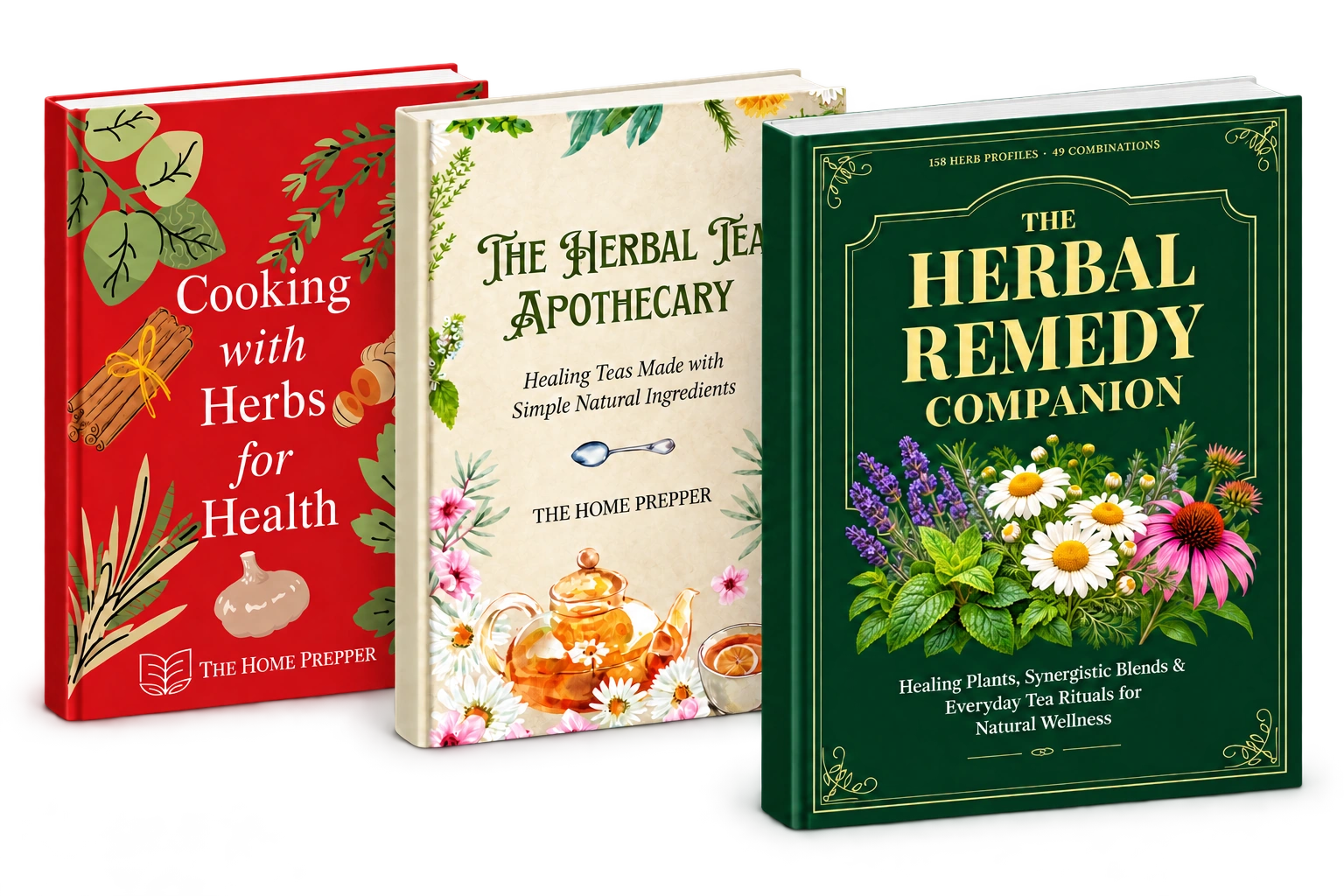
- The Herbal Remedy Companion: 158 herb profiles, 49 synergistic combinations, the Symptom Finder and hundreds of cited sources
- The Herbal Tea Apothecary: more than 50 herbal tea blends
- Cooking with Herbs for Health: 73 simple, delicious recipes
Your price today
$19.99
One payment. No subscription.
Instant PDF download · Secure checkout through Digistore24 · Also available as a paperback on Amazon
Prefer the main book in print? See the separate paperback on Amazon →
The Kitchen Test Promise
Download the guides. Brew the first cup. Make the first batch. Cook the first recipe. If it isn't for you, ask for a refund within 60 days and you'll get 100% of your money back. All the risk is on us.
What readers say
“The handbook saved me so much time. Instead of Googling random remedies, I knew exactly which herbs to pair. My brain fog lifted, and I finally feel focused at work again.”
“I’ve struggled with blood sugar swings for years. The cinnamon porridge recipe was a game changer. Tastes great, and my levels have been more stable than they’ve been in ages.”
“Honestly, the teas are the easiest part of my routine now. A cup at night, and I sleep deeper without reaching for sleep aids.”
This is for you if...
- You've bought remedies you couldn't explain and want to stop
- You want to understand what you're putting in your body
- You like doing things yourself and knowing how they work
- You'd rather build a pantry than fill a drawer
This is not for you if...
- You're looking for a miracle or a quick fix
- You want to replace your doctor
- You'd rather keep paying for convenience than learn something new
Questions
Does this replace my doctor?
No. The guides are educational, and every profile has safety notes. Check any herb with your pharmacist, especially if you take medications, are pregnant or breastfeeding, or are managing a chronic condition.
Do the studies prove these remedies work?
A study is not a promise. Each profile tells you what was tested, how strong the evidence is and what it can't tell us.
Is it a one-time payment?
Yes. $19.99, one payment, no subscription. You get instant PDF access to all three guides. The main book’s paperback is sold separately on Amazon for $27.99.
Is it really cheaper than buying supplements?
Many of the herbs are inexpensive dried herbs and kitchen ingredients, and many recipes make a ten-bag batch. For example, a $4 takeaway coffee five mornings a week comes to $80 over four weeks. The three guides cost $19.99 once. This is an illustrative spending example; your habits and prices will differ, and ingredients cost extra.
Who is Vivian Greene?
Vivian Greene is the pen name for the author of these guides at The Home Prepper. The story above is told in her voice to explain the book's approach. It is not a clinical case history or evidence that a remedy works.
Two ways to spend this month
You can do what I did: buy what the label promises, fill the drawer, and hope. Or you can spend one afternoon learning to read the label, test the claim and make the remedy yourself.
I filled a drawer for nine months before I asked my first real question. You don't have to.
The next time you reach for a quick fix, ask yourself what I finally asked: am I fueling my body, or just feeding the cycle?
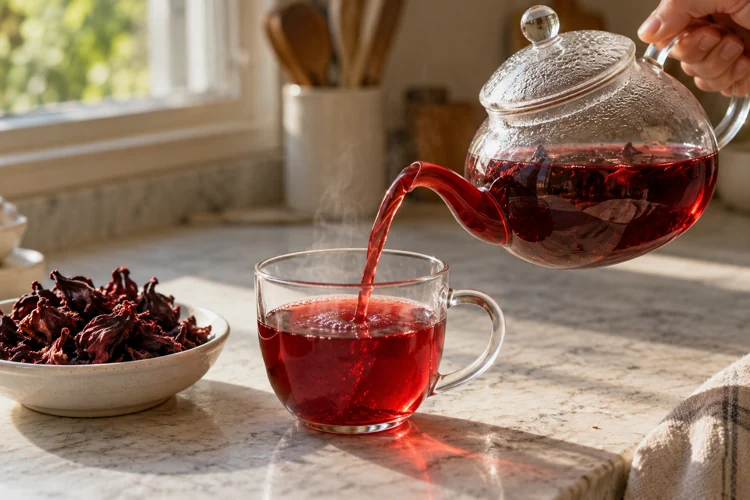
P.S. If you only do one thing, read the first profile you're curious about and ask the three questions. You'll never read a label the same way again.
P.P.S. You have 60 days to try it. If it isn't for you, you get 100% of your money back. The only thing you risk is another drawer.
These guides are for educational purposes only and are not intended to diagnose, treat, cure or prevent any disease. They are not a substitute for advice from a qualified healthcare professional. Talk to your doctor or pharmacist before starting any herbal regimen, especially if you take medications, are pregnant or breastfeeding, or are managing a chronic condition.