Oops! Sorry!!


This site doesn't support Internet Explorer. Please use a modern browser like Chrome, Firefox or Edge.

  • A practical herb reference should do more than repeat a tip. It should help you identify the plant, understand how the book discusses it, and find the next useful page.

    158 Herb Profiles. 49 Combinations. One Practical Herbal Reference for Your Home.

    GET THE THREE-GUIDE DIGITAL BUNDLE — $19.99
    Take a more self-reliant approach to herbal questions. Find clear plant profiles, preparation guidance, cited sources, and a Symptom Finder in one book—so you can make sense of what you read before you decide what belongs in your home.
    GET THE 3-GUIDE DIGITAL BUNDLE

    The internet has plenty of herb claims. It has very few useful references.


    One post names a plant. Another gives you a recipe. Neither always gives you the context to judge what you are reading.

    I’m Vivian Greene, and I wrote The Herbal Remedy Companion after herbal questions became personal.

    A prediabetes diagnosis sent me looking for practical ways to care for myself. I began reading about familiar ingredients, then following the research behind the claims.

    My own experience with metformin—including a metallic taste and digestive upset—made me want clearer information and choices I could understand in an ordinary day.

    I wanted a reference, not another miracle promise.


    I started with cinnamon and turmeric, then spent late evenings reading the studies behind the advice I kept hearing.

    The more I read, the more I wanted the details in one place: which plant, which part, how it is used, and what the cited source actually examined.

    Herbal advice is easy to find. Reliable context takes more work.

    I wanted to make that work easier for people who want to learn for themselves and make informed choices at home.

    That became The Herbal Remedy Companion: an organized reference built from plant profiles, practical directions, traditional knowledge, and published research.

    What “plant combinations” mean in this book


    Some entries discuss plants used together. The point is to understand the pairing and the context—not to treat every combination as a magic formula.

    Turmeric and black pepper are one of the pairings listed in the book.

    The Combination Finder gathers 49 combinations and points you back to the relevant pages.

    The book distinguishes traditional herbal knowledge, personal experience, and published research instead of treating them as the same kind of evidence.

    Evidence varies by herb, preparation, and proposed use. That distinction matters when you are learning about plants.

    My husband’s high blood pressure gave me another reason to read about hibiscus and hawthorn and the traditions behind them.

    A reference built around real questions


    I wanted more say in how I looked after myself, with choices I could understand and details I could check.

    That means more than a list of plant names. It means botanical names, plant parts, ways to buy and prepare herbs, and references to follow.

    This edition brings together 158 herb profiles across practical subject areas, from sleep and digestion to skin, pain, and kitchen herbs.

    It also includes 49 named combinations in a dedicated Combination Finder.

    The result is a book you can return to when you want to look something up—not a promise that one formula works for everyone.

    A clear route from question to useful page


    Use the book as a reference: look up a question, read the full herb profile, then follow the preparation and source details for that specific entry.

    Start with the question you actually have.

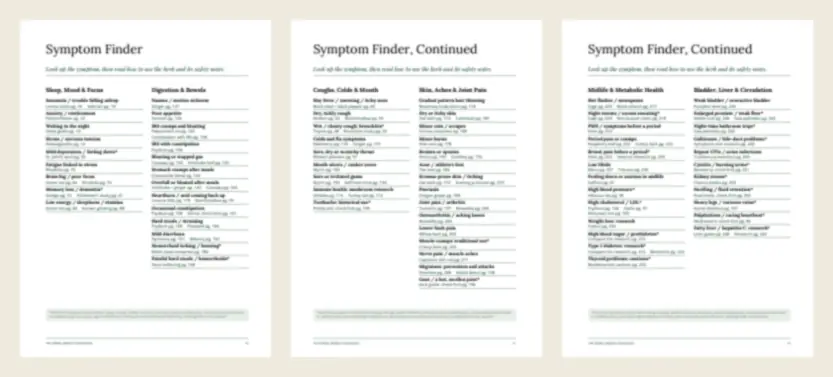
    The Symptom Finder at the front points to relevant herbs and page numbers.

    Then read the full profile. The book identifies the plant, parts used, ways to buy it, and the uses discussed.

    Preparation depends on the herb. Some entries describe a home preparation; others cover extracts, topical use, individual plans, or research only.

    • Step 1: Find a starting point in the Symptom Finder.

    • Step 2: Turn to the full profile and learn which plant and plant part the entry means.

    • Step 3: Read that entry’s directions and sources. A food recipe and an extract study are not interchangeable.

    Keep a useful reference close—not another pile of tabs.


    Viral posts strip away context. This book puts plant identity, uses, preparation details, and sources together where you can read them.

    Look up the botanical name and the plant part before you buy or prepare an herb.

    Follow the method printed for that specific entry instead of guessing from a different herb or product.

    That is what practical independence looks like: understand the information in front of you before acting on it.

    The book also makes it easier to follow a question from the Symptom Finder to a full profile and its cited references.

    What you’ll find inside The Herbal Remedy Companion


    The current edition contains 158 herb profiles and 49 combinations, organized so you can look up plants and follow page references without reading from cover to cover.

    Profiles include details such as botanical name, where a plant is found, parts used, what to buy, uses, and entry-specific preparation information.


    The book labels different kinds of directions—including home preparations, extracts, topical uses, individual plans, and reference-only entries.

    Many profiles identify key plant compounds and explain why they are discussed in relation to that herb.


    The Combination Finder collects 49 plant pairings and points back to the pages where each is discussed.

    Cited research is explained in everyday language, with the source details available to follow up.


    Traditional knowledge, personal experience, and scientific research are distinguished; the book notes that evidence strength varies.

    The Symptom Finder at the front maps common questions to relevant herbs and page references.

    Keep it nearby as a working reference for the questions that come up in your own home.

    Find your way through the book by topic

    The Symptom Finder gives you a starting page. The full profile gives you the plant details and context behind that listing.

    Sleep, mood, and focus: find the page that fits your question


    For trouble falling asleep, the Symptom Finder points to lemon balm (p. 16) and valerian (p. 19). For anxiety or restlessness, look up passionflower (p. 22).

    For fatigue linked to stress, it points to rhodiola (p. 74). Each reference sends you to the full profile, not a one-line internet tip.

    Cough and cold questions have their own quick routes


    For a dry, tickly cough, the finder lists mullein (p. 44) and marshmallow (p. 59). For a wet cough, it points to thyme (p. 48).

    For cold and flu symptoms, it points to elderberry and ginger; for a sore throat, ribwort plantain. Turn to the full entry for context and directions.

    Memory, focus, and energy


    The book includes profiles for ginkgo, rhodiola, bacopa, gotu kola, green tea, and more.

    Look up the plant by name, then read the entry for its specific uses, preparation information, and sources.

    Circulation and heart topics


    Explore profiles for hawthorn, hibiscus, garlic, olive leaf, beetroot, and related plants.

    For example, the finder points readers to hibiscus tea for a high blood pressure question and lists the relevant page.

    Digestive and kitchen herbs


    Look up chamomile, peppermint, fennel, ginger, dandelion, and other kitchen herbs.

    The Combination Finder lists 49 pairings, including chamomile + lemon balm, mullein + thyme, and turmeric + black pepper.

    Skin, mouth, and wound care


    Find aloe vera, calendula, plantain, tea tree, witch hazel, and more in dedicated profiles.

    The entries tell you which plant and preparation each page discusses.

    Pain and inflammation


    The guide includes profiles for turmeric, willow bark, boswellia, feverfew, and other plants.

    Follow the page references to see how each plant is described and which sources the book cites.

    Hormones, menopause, and blood sugar


    Browse profiles for sage, black cohosh, vitex, cinnamon, fenugreek, and other plants.

    The Symptom Finder routes these questions to relevant profiles and research notes.

    Liver, kidney, and urinary topics


    Find milk thistle, cranberry, saw palmetto, horsetail, chanca piedra, and other profiles.

    Use the page references to follow a question to the complete profile.

    The book gives you the method—not a one-size-fits-all recipe


    The book distinguishes home preparations, extracts, topical use, individual plans, and reference-only entries.

    A food serving is not an extract dose. The book tells you what kind of information you are reading.

    Start with six familiar plants


    “Your First Herb Cupboard” starts with chamomile, lemon balm, peppermint, fennel, ginger, and calendula.

    The book explains what to check when buying herbs, including the botanical name and the plant part named in a recipe.

    Use it as a household reference


    Check the botanical name, plant part, and preparation before deciding what belongs in your cupboard.

    The six starting plants and buying checklist give you a clear place to begin.

    See the book’s lookup tools


    The Combination Finder helps you find a listed pairing and follow its page references.

    Use the Symptom Finder or Combination Finder, then read the full entry for the context behind the listing.

    A practical reference for your home


    Keep the guide close when you want to research a plant or look up a question.

    A practical reference belongs in the home where you can reach it.

    And you’re getting these 2 bonuses included for free

    Cooking with Herbs for Health


    Cooking with Herbs for Health: a practical cookbook with 73 recipes for bringing herbs into everyday meals.

  • Find the cinnamon keto porridge, a beet-and-quinoa salad, and other ways to bring familiar ingredients such as turmeric and ginger into your cooking. This is a separate cookbook, not part of the 158 profiles in The Herbal Remedy Companion.

    • These are kitchen recipes, separate from the herb profiles in the main book.

    • Cooking with Herbs for Health is included in the three-guide digital bundle.

    • Get it together with the main book and The Herbal Tea Apothecary.

    The Herbal Tea Apothecary


    The Herbal Tea Apothecary includes 50 tea blends with ingredients, ratios, and brewing directions.

  • From an evening cup to a seasonal blend, this guide gives you a dedicated place to explore herbal teas.

    • The Golden Shield seasonal blend and the 2 AM evening blend are among the featured ideas in this separate guide.

    • The Herbal Tea Apothecary comes with The Herbal Remedy Companion and the cookbook in the digital bundle.

    • The 50 tea blends and 73 cooking recipes belong to the companion guides; the main book contains 158 herb profiles and 49 combinations.

    Get the whole 3-guide bundle


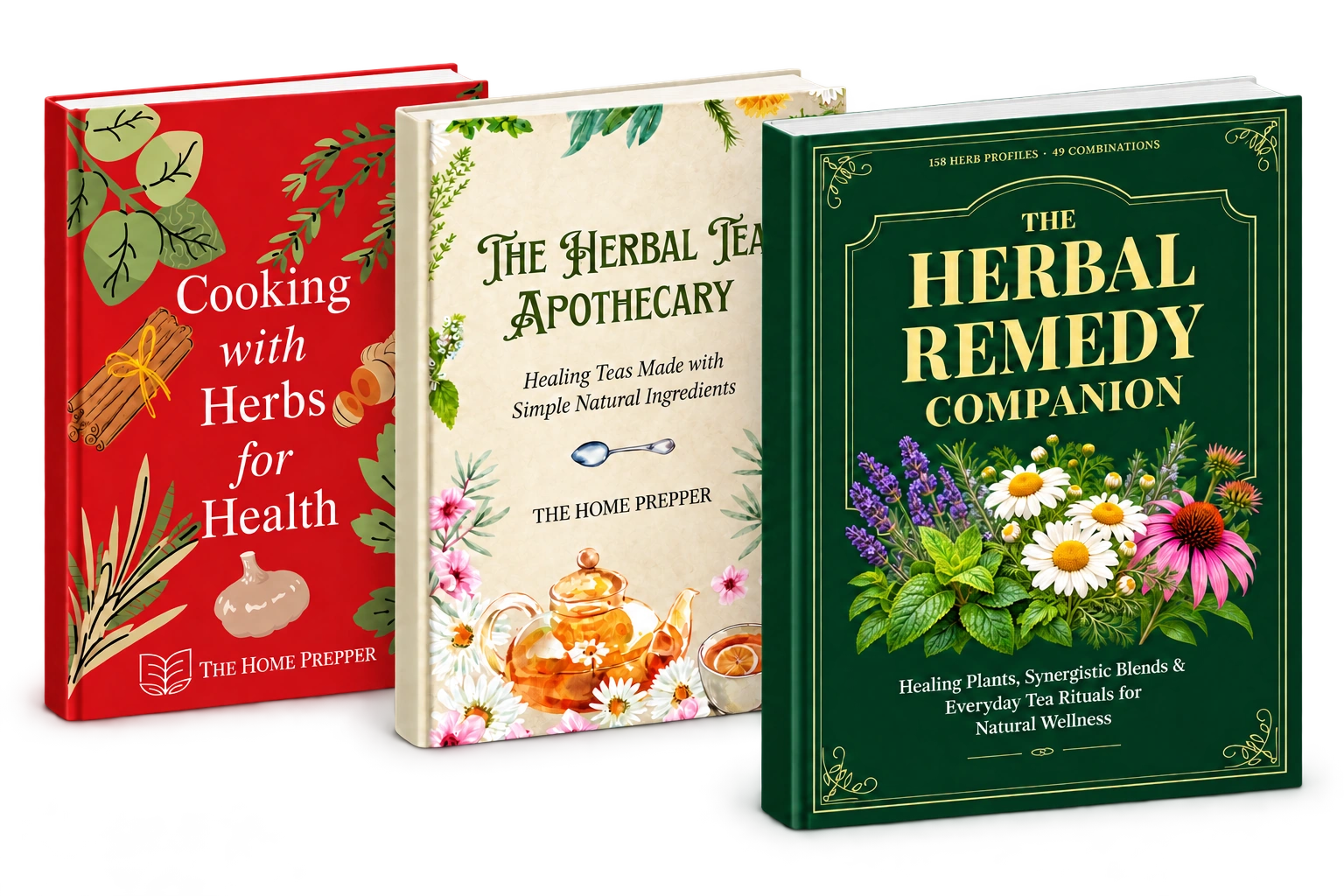
    The digital bundle brings together The Herbal Remedy Companion, Cooking with Herbs for Health, and The Herbal Tea Apothecary.

    That means the main reference plus a cookbook with 73 recipes and a tea guide with 50 blends—all delivered as digital downloads.

    Choose the format that fits how you want to use it

    The digital bundle includes the 50 tea blends ($27), the 158-profile Herbal Remedy Companion ($49), and 73 cooking recipes ($27). The paperback option is the main book only.

    That is $103 in separate guide value. Today, choose all three digital guides for $19.99, or get the printed Herbal Remedy Companion for $27.99.

    Get all three digital guides today for $19.99.

    One payment. No subscription.

    Try the digital bundle for 60 days. If you decide it isn’t right for you, email [email protected] for a full refund.

    GET THE DIGITAL BUNDLE

    Try it risk-free for 60 days


    I know it can be hard to judge a digital book before you’ve had a chance to look through it. That’s why the bundle comes with a full 60 days to try it.

    Download the three guides, explore the profiles, try the recipes, and see how they fit your household.

    The main reference gives you 158 herb profiles and 49 combinations, alongside the separate cookbook and tea guide.

    If it’s not right for you, send a quick email to [email protected] within the 60-day guarantee period.

    You’ll receive a full refund under the 60-day guarantee.

    You are not risking a dollar on the digital offer.

    Put a practical herbal reference within reach

    Build a more informed, self-reliant approach to everyday plant questions with a book you can look up and use as a reference.

    The three-guide digital bundle is $19.99.

    Frequently asked questions

    Is it really safe to use these if I'm already on prescriptions?

    The book describes plant uses, preparations, and sources in clear language. It is a reference you can use to learn about herbs and follow the information for each plant.

    What makes your method different from just buying supplements?

    This edition includes 49 listed combinations. They are presented as specific pairings with page references, not as a universal three-step formula.

    I'm a complete beginner. Is this going to be too complicated?

    Start with the Symptom Finder, then read the full entry it points to. The book explains different preparation types, and not every profile is a home recipe.

    I'm worried about the cost. Are these herbs expensive?

    The book’s “Your First Herb Cupboard” section offers six starting points: chamomile, lemon balm, peppermint, fennel, ginger, and calendula.

    What if I try it and it’s just not for me?

    The digital bundle includes the main Herbal Remedy Companion plus Cooking with Herbs for Health and The Herbal Tea Apothecary. The main book has 158 profiles and 49 combinations.

    A reference designed to be used

    “The handbook saved me so much time. Instead of Googling random remedies, I knew exactly which herbs to pair. My brain fog lifted, and I finally feel focused at work again.”

    — Daniel P.

    IT Specialist

    “I’ve struggled with blood sugar swings for years. The cinnamon porridge recipe was a game changer. Tastes great, and my levels have been more stable than they’ve been in ages.”

    — Sandra L., 52

    “Honestly, the teas are the easiest part of my routine now. A cup at night, and I sleep deeper without reaching for sleep aids.”

    — Mike H., 38

    Choose the format that gives you the reference where you want it.

    Three digital guides for $19.99

    One paperback book for $27.99

    CHOOSE YOUR FORMAT

    Check the sources in context


    The book places source references alongside the relevant herb discussions so you can follow up on what you read.

    It distinguishes published research, traditional knowledge, and personal experience, and notes that evidence strength varies by herb, preparation, and proposed use.

    Use the references attached to each profile to explore the source behind that entry.

    Copyright © 2025 

    All rights reserved. 

    A LOOK INSIDE THE GUIDE

    See the pages before you choose.

    Here is a real sample from The Herbal Remedy Companion, showing how the Symptom Finder directs readers to relevant pages.

    Three-page Symptom Finder sample from The Herbal Remedy Companion, with topics and page references

    A three-page sample from the book’s Symptom Finder.

    CHOOSE YOUR FORMAT

    Choose the format that suits you.

    The three digital guides in the Self-Reliant Herbal Pantry bundle

    THREE DIGITAL GUIDES

    The complete bundle

    The digital bundle includes The Herbal Remedy Companion plus Cooking with Herbs for Health and The Herbal Tea Apothecary.

    $19.99

    Get all three digital guides

    One payment · No subscription · 60-day money-back guarantee
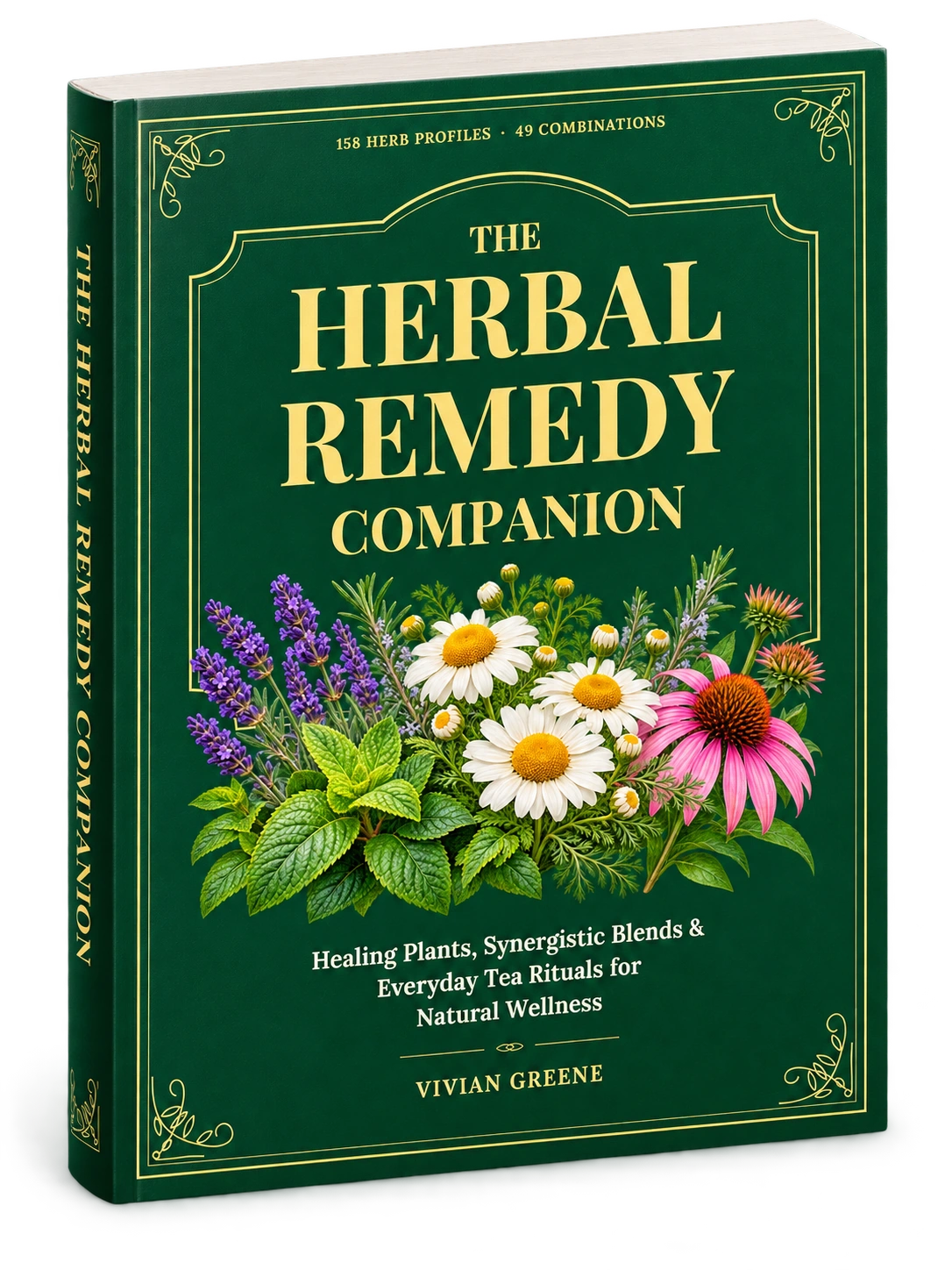
    Printed paperback edition of The Herbal Remedy Companion

    ONE PRINTED BOOK

    The paperback

    Prefer print? The 264-page paperback is The Herbal Remedy Companion. The two companion guides are included in the three-guide digital bundle.

    $27.99

    Buy the paperback on Amazon

    Amazon confirms price, shipping, and order support at checkout.